
“Where were you when the gods rained down?
Where were you when the sailors drowned?
Steward shouts, ‘Swab the damn deck clean!
Toss your dead to the Pirate Queen!’”1
I’d like more Golarion songs please, sea shanties and bar songs especially. I might just be partial to the bar songs after all the Tartan Army singing here in RI and Boston due to the World Cup. I like this shanty too as it’s obviously recent (a la gods rain down), but it leads right into a nice narrative piece about combatting Cheliax as they threaten the seas. Any chance to give Cheliax hell makes me happy. The sidebar goes right into using the new Pathfinder: Lost Omens High Seas in any world, or adapting for how the Godsrain has further changed Golarion, but at the heart it brings the best of Pathfinder: exploration, freedom, and adventure!
I’m immediately reminded of how big Golarion is by High Seas. There’s a depth (wink wink) of nations and gods and ancestries but it’s bigger than that with entire civilizations, wars, monsters, cultures, and secrets happening above and below the waves while your party is arguing over who forgot to buy rope. This book covers the history of the seas, the people who live there including their beliefs and their travels. We get shipping routes, naval conflicts, and then deeper dives into major regions including Hermea, Mediogalti Island, the Mordant Spire, the Shackles (of course), and the broader Open Seas before finishing with a Bestiary. That is a lot of ocean to cover! Oh and I’m trying to bold key words to find things so hopefully that’s helping!
Anyway, let’s set sail!
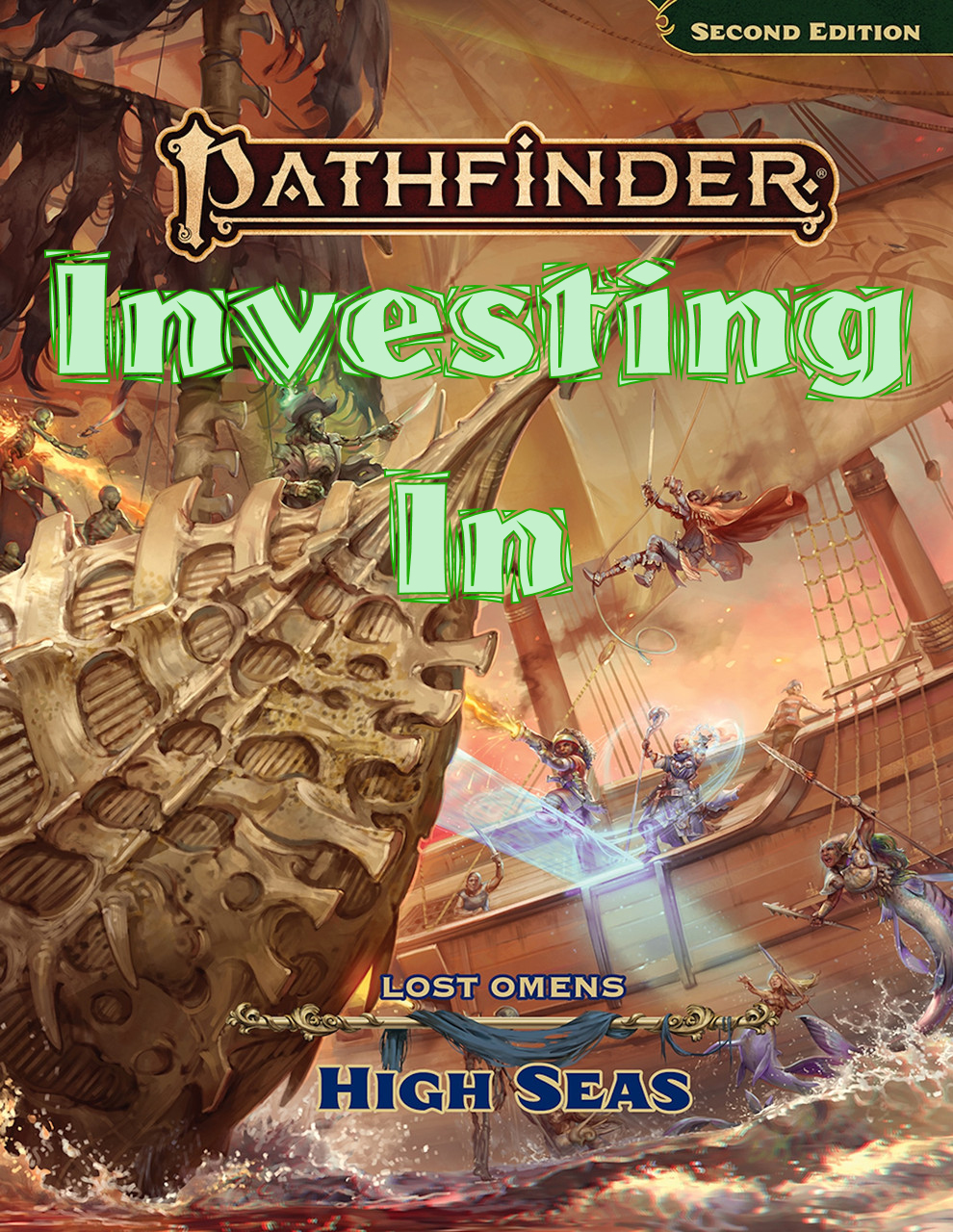
As much as I want to get into every lore reveal, I’m going to try to be a responsible little sailor here. I’m going to focus primarily on mechanics and player facing options, with enough setting context to explain why those options are exciting. There are a lot of details in this book that GMs can and should get to unveil at the table, especially given the political shifts, secretive cultures, and post Godsrain complications brewing across the waters. I want to talk about why this book is useful, why it is flavorful, and how it can build characters and campaigns, not spoil every port before you pull into harbor.
Ain’t it funny too how the cover has what sure looks like a ship of bone, run by undead, right as I’m deep in my Necromancer era? I just wrote about the Necromancer, I’m actively playing a Necromancer, and now here comes High Seas with a giant undead vessel begging to become the centerpiece of a campaign, a villain, a nightmare, or (if your GM is feeling especially generous and unhinged) a command opportunity. So yes, we’re going nautical but we’re also going necromantic.
Ancestries of the High Seas
Athamaru
The opening Introduction is a bit broader than the simple narrative. We get a review of history to the present day, then a deeper focus for a couple pages on what’s facing the High Seas today including the Hellfire Crisis with Cheliax. Moving to the people we get some detail for each ancestry with a lovely sidebar on some shipspeak and regional slang. I might use ‘dry-sailed’ myself since it’s meant to mean a preposterous or doomed idea, or even a person. A couple other sidebars detail the rarities of some represented and encourage some versatile heritage usages too like the half-elven prevalence, but then we get into the new ancestrty mechancis
The Athamaru were introduced in Howl of the Wild. I’ll be honest and had to look them up as they’re fish-like humanoids so obviously they have a place in High Seas. This section gives us the new Benthic Athamaru heritage, and it’s made for those who travel top side and below. You’re built for depth. Moving up or down through the water does not count as difficult terrain for you, and you gain darkvision. That is a very clean, very useful package for underwater adventure. It is also one of those abilities that might not matter in every campaign, but in the right campaign, it feels incredible. If your GM is going to make verticality underwater matter often this will be incredibly helpful.
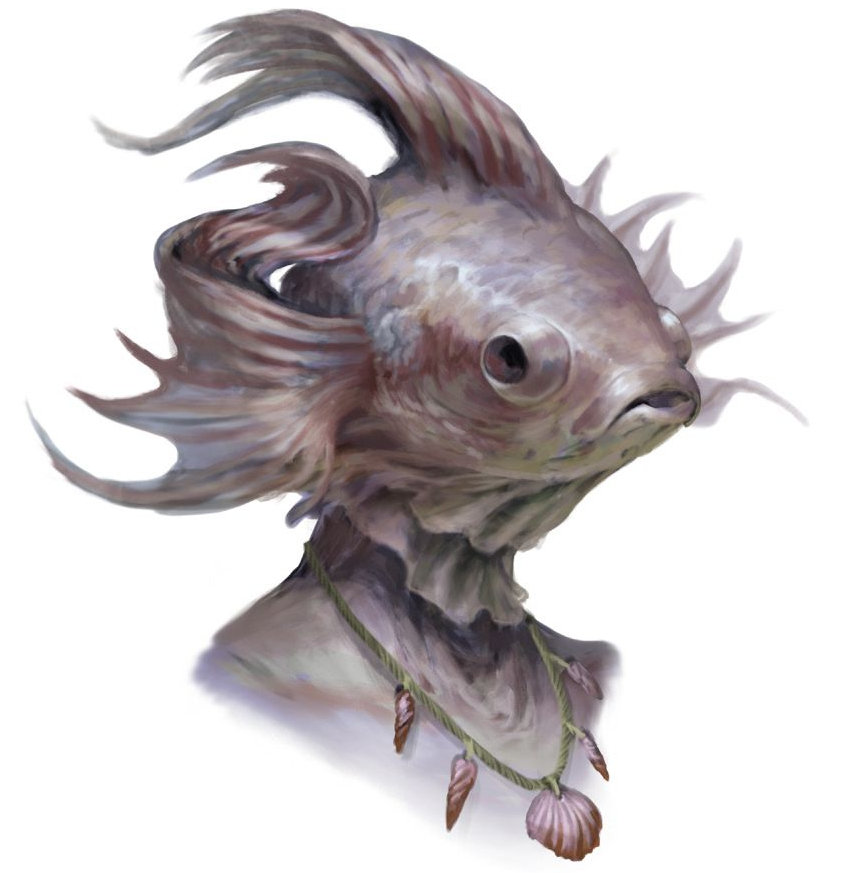
The Athamaru ancestry feats lean into athleticism, aquatic community, and predatory motion. Decisive Swimmer (feat 1) lets you use Athletics instead of Diplomacy to Request when settling disputes with aquatic or amphibious peoples, which is such a fun cultural mechanic. It says a lot about Athamaru culture without needing a full page of explanation: sometimes politics is a swimming contest, and honestly, that’s beautiful. World Cup diplomacy sure brought people together! Razorsharp Bite (feat 1) is the straightforward enough, have teeth will use option, giving a strong jaws unarmed attack of 1d8 piercing damage.
Swimming Charge (feat 5) is another standout because it turns movement in water into offense and battlefield control. You swim right into someone and try to shove them out of the way, with better results dealing damage and moving the target. Later, Coerce the Current (feat 9) lets you push or pull creatures in a line of water with a flick of your tail, while Sea Swarmer (feat 9) gives you an off-guard setup if an enemy is within reach of you and at least two allies. For a party fighting in tight underwater spaces or around a shipwreck, that’s nasty. Athamaru are way more than fish-like humanoids, represented well here by athletes and competitors, who are also diplomats and tactical swimmers.
Aquatic Elves
The Aquatic elves, or delvari, get an Aquatic Elf heritage that makes them amphibious, gives them a 30′ swim Speed, and requires them to rest underwater at least once a week or become fatigued. I love that last part. It gives you a real character hook to use. You can function on land, but the sea is still home. Mechanically, that means the heritage is strong in aquatic play, but narratively, it also gives you a recurring need that can shape travel, downtime, and roleplay.
Their feats reinforce that they are adaptable, practiced, and dangerous in the water. Aquatic Elf Warrior (feat 1) is a great example. You gain familiarity with weapons like crossbows, daggers, spears, and tridents, and you do not take the usual underwater penalty to melee slashing or bludgeoning attacks. That makes a big difference because underwater combat can be punishing if you are not built for it. You trained for this; they did not!
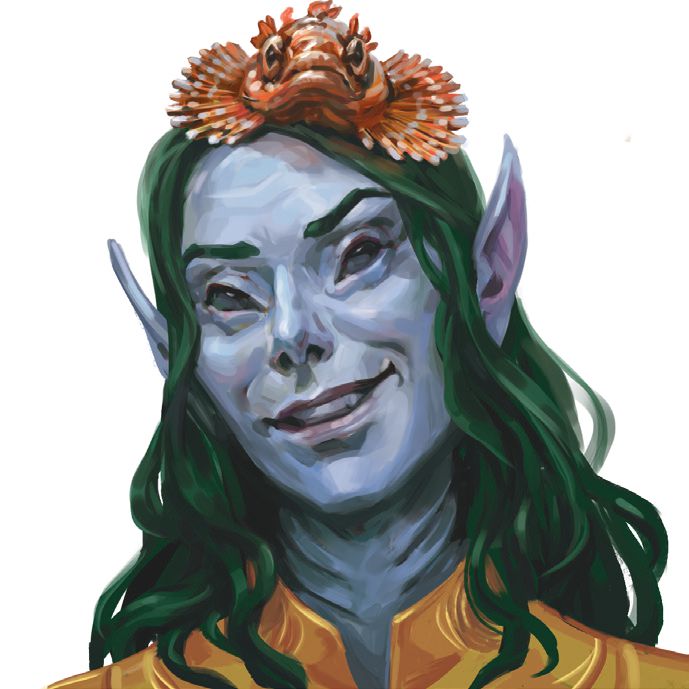
Friend of the Sea (feat 1) is adorable and certainly useful, giving you a sea creature pet with extra aquatic friendly abilities of tough and darkvision. I want a seal! There’s some familiars and underwater companions we’ll get to later. Touch of the Sea (feat 1) gives you an at-will primal innate cantrip, either gale blast or spout. Submerged Stillness (feat 9) lets you become invisible while submerged as you hide within the water. Conversely Eyes of the Sea (feat 17) eventually upgrades your underwater perception. Sure it’s high level but it gives you darkvision if you don’t already have it and the ability to see through natural underwater obscuring phenomena and casting truesight once per day. I like that Aquatic elves feel like guardians, but also scouts and ambushers. If you want someone watching over ancient ruins, hidden sea lanes, or the edge of an alghollthu plot, this is a strong option! Ancient Elves might really have an opinion on you looking into ancient ruins too, especially those near the Mordent Spire!
Merfolk
The High Seas merfolk section emphasizes stewardship, leadership, and the safeguarding of magical trade, but it also makes clear that some merfolk become adventurers or pirates. They might be caretakers of the sea, but that doesn’t mean they’re all softspoken diplomats. Sometimes protecting the sea means raiding smugglers and sinking villains, or becoming the most principled pirate on the waves.
The Cecaelia Merfolk heritage is one of the most visually distinctive new options. Instead of a fish tail, your lower half is cephalopodish, with tentacles and suction cups a la Ursula the Sea Witch… Which now you can literally make! Your land Speed becomes 10 feet, you gain a climb Speed of 10 feet, and you can Step into nonmagical difficult terrain. That is a very different kind of merfolk. Slower on land, yes, but the climb Speed and difficult terrain interaction give you a strange mobility profile that feels very octopus coded in the best way. It’s quite good for a watery campaign, ya might need some assistance on land.
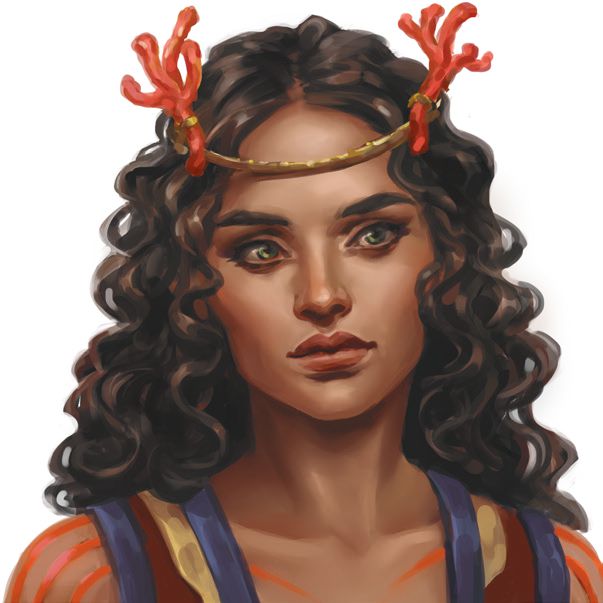
As for feats Appraiser’s Eye (feat 1) gives read aura at will and Quick Identification, which plays beautifully with the book’s note that merfolk often interact with magical item trade. Spray Ink (feat 1) is a reactive defense for cecaelia merfolk, dazzling a creature that hits you with a melee Strike. Hallucinogenic Ink (feat 9) requires Spray Ink but can add frightened to that defense with a Will save based on class or spell DC. Steal for the Depths (feat 5) made me grin because it lets you grab someone from land or water and pull them into the deep. It expands the Grapple with some 10’ of distance if they’re already in the water too, moving with them. It’s a combat move and a horror story. Songs of the Sea’s Wrath (feat 17) lets you cast repulsion and spellwrack as innate occult spells each day. They’re cast by performing a creepy sea song as your melody proves a curse. Easy to see how a Cecaelia Merfolk could be made as a villain but you’ve a lot of opportunity to be a devastating aid to a naval campaign, enemies beware!
Tripkee
Tripkees are already fun, but High Seas gives them even more reason to leap into island campaigns. The Camouflage Tripkee heritage lets you choose aquatic, forest, or swamp terrain, and in that terrain you can Hide or Sneak without cover or concealment. That is a strong exploration and ambush option, especially for campaigns moving between jungle islands, mangrove swamps, and reef filled shallows.
Bounce Boost (feat 1) is a delightful feat that lets you help an adjacent ally jump farther and better. I love feats that tell us how a character moves through the world and how they help the party, and this does both. Waterweave Tripkee (feat 1) is the more obvious aquatic option, giving you the amphibious trait, and it even improves the swim Speed of riverside tripkees to 20’. This gives you a very easy way to make a tripkee who belongs in a High Seas campaign without needing to rebuild the whole ancestry concept.
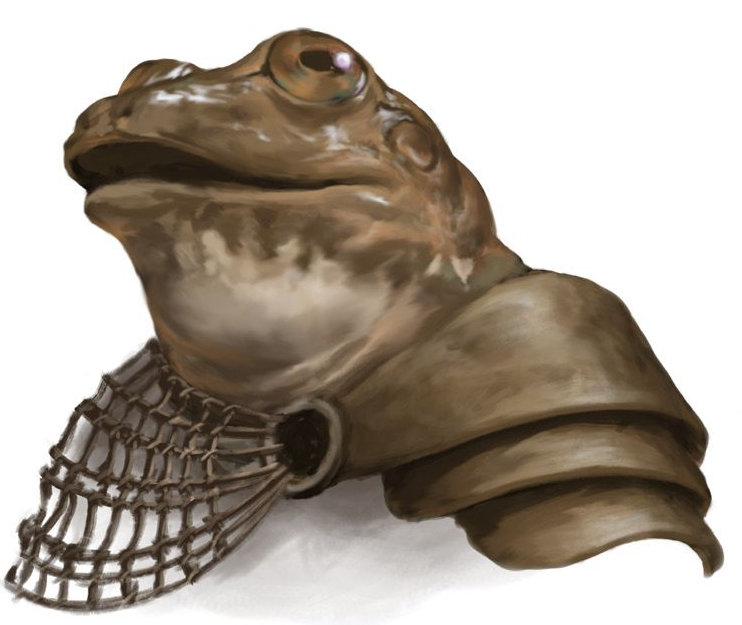
Frog Geyser (feat 5) is silly in name and very practical in play. You fill your mouth with water and then blast creatures in a line, pushing them around and potentially knocking them prone on a critical failure, Fort save based on class or spell DC. Burrowing Tripkee (feat 13) gives a burrow Speed of 15’. Frog Tide (feat 17) lets you call up a massive moving wave that does up to 14d6 of damage in a 20’ burst. It can carry folks away too based upon the reflex save. Tripkees Seem excellent for players who want the whimsy of a frog hero with real tactical utility. Anyone play Chrono Trigger? If you didn’t, play it. Play a water kineticist with an artifact sword and be Frog! These feats allow you to better move and boost allies while also calling homage to their natural ties.
The Ways of the High Seas
There’s a bit more still in the Introduction that I feel really speaks to the ways of the High Seas. You get some details on belief structures, including a nifty image of Abadar (below). I can’t really say I’ve seen an image of Abadar before but that might be my fault not paying him much mind. Apparently naval militaries might call on him as they seek out bandits. Good luck with the likes of Besmara out there! Regular travelers of the ocean are called out including the Andoren and Chelaxian navy as well as the Firebrands, Red Mantis, and various Free Captains. I do like the Joining a Group sidebar here: it’s easy to join some groups simply by declaring yourself as such, like the Firebrands.
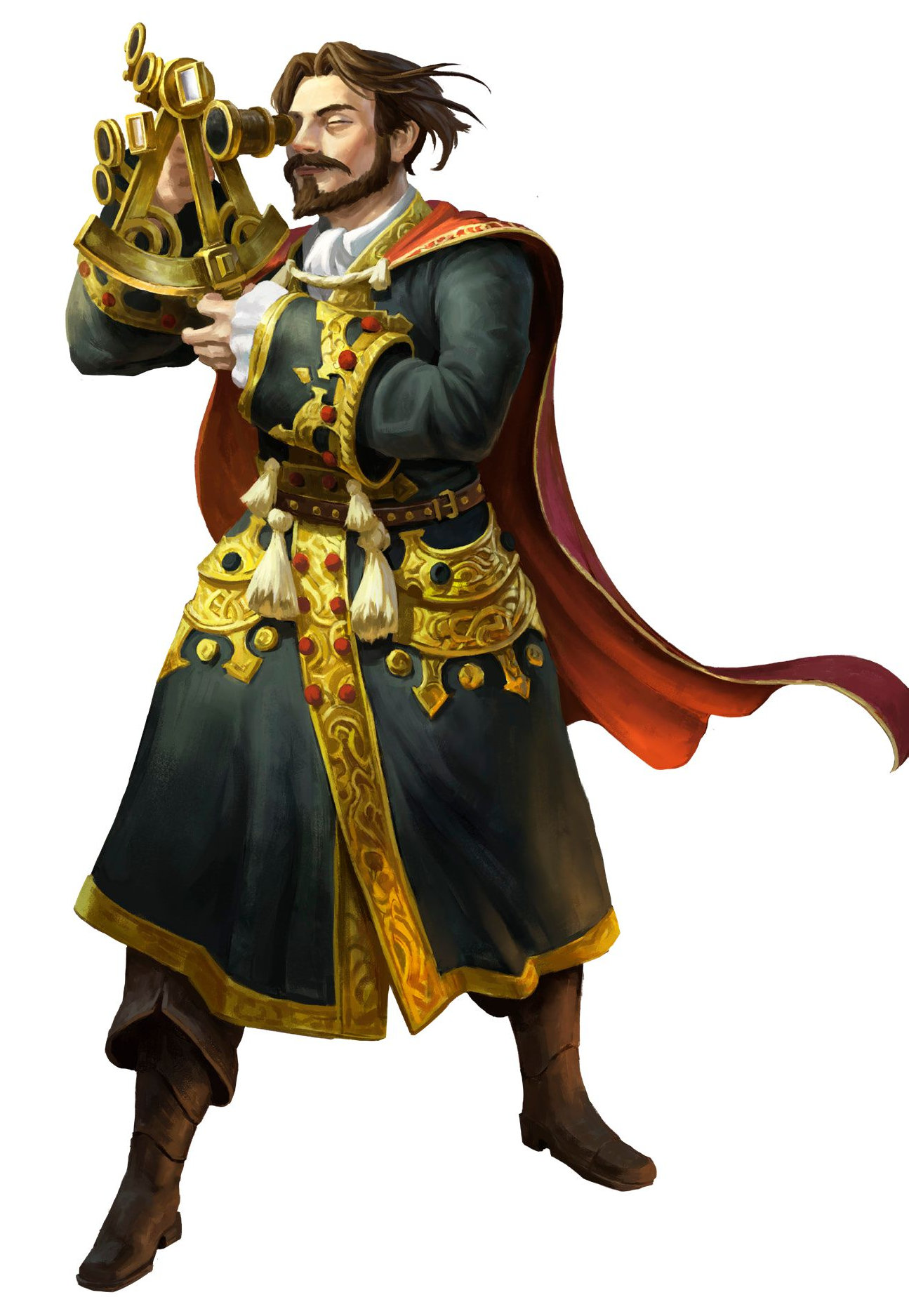
There are rules too for Naval Conflicts, which could likely be their own article but suffice to say from boarding to piloting, to disengaging it’s all there. There’s some regular naval chase obstacles you might run into as well like debris, your sail breaking, or someone shooting from a fort on the shore! Before the Naval Conflicts, we also get a map of regular shipping routes in Avistan and a map of the oceans with some details on those areas. Why did I mention them last? Well I think it rather interesting how much trade is now going through…
Hermea: After Age of Ashes
Hermea has become a hub of magical crafting and medicine! This section felt like coming home and admittedly I was most curious about because, if you played or ran Age of Ashes, you know Promise is important. Spoilers here! Y’all the GM of my Impossible Lands game where I’m a Necromance ran Age of Ashes beforehand. I care about this place and its people! Mengkare’s departure and the truth of what was planned for the people of Promise changed everything. High Seas updates Hermea as a society still trying to decide what it is without its founder guiding, controlling, and overshadowing every part of civic life. Then the Godsrain adds another huge complication, with many citizens transformed into dragonblooded humans.
Promise is still brilliant. It is still full of astonishing scholars, warriors, and innovators. But now it is also uncertain, factional, and maybe finally forced to ask if perfection without freedom was ever perfection at all. The Hermea magic items reflect Promise’s culture of excellence and self-improvement. The Cloak of Social Graces (item 7+) is a rare cloak that boosts Diplomacy and can be activated for heroism, which is the kind of item I can imagine coming out of a society obsessed with presentation, confidence, and accomplishment. Gloves of Precision (item 10+) help with climbing and delicate Thievery tasks like disabling devices and picking locks, while Kinetic Wraps of Strength (also item 10+) support Athletics options like Force Open, Reposition, and Shove. They feel like items made by artisans and specialists, targeting specific needs. Golden Wings (item 3+) are probably the most visually Hermean item here so I saved for last. They begin as a low level mobility item that lets you make huge Leaps once per day, then improve into gliding and eventually flight at levels 9 or 17. They are showy, useful, and a little impractical in the way I enjoy. Again it’s the Promise of something a bit gloating, showy as you glow and make a bit of music too when activated.

The Hermean familiars are also fantastic. The Golden Ermine is a luck bringing stoat with a gold-sensing ability and a fortune boon. Ain’t they adorable as seen above? The Royal Gull can dazzle creatures with iridescent dust. The Wildtwig is a leafy, horned canine with plant abilities and a magical fruit that grants temporary Hit Points. That last one is the sort of familiar I would expect a player to fall in love with and then refuse to ever endanger, even while the rest of the party is getting fireballed. They may have soft leaves instead of fur, but thankfully they don’t have fire vulnerability!
Mediogalti Island: Red Mantis Shadows
Mediogalti Island is ruled by the Red Mantis assassins, which means it is theoretically a haven for pirates and commerce but practically a place where everyone knows the person next to them might be a government assassin. The book captures that tension well. Ilizmagorti is colorful, lively, and useful, but it is also under the quiet control of one of the most feared organizations in Golarion. That makes it immediately useful for campaigns. You can go there to buy something, hide something, hire someone, or be hunted by someone. Maybe all four. I get images of the Mandalorian in my mind, visiting not so safe planets in Guardians of the Galaxy, etc.
The current events here are juicy. Gorum’s death and Achaekek’s role in that moment have shaken the Red Mantis internally. If Achaekek can kill a rightful god, some assassins are beginning to question what their famous restriction against killing rightful rulers really means. Blood Mistress Jakalyn’s response has been to deepen the shadows, including a secretive order of personal guards called the Aeth’ir. Meanwhile, pirates are making moves of their own, and warshards have empowered threats in the jungle. That is a lot of story pressure on one island.
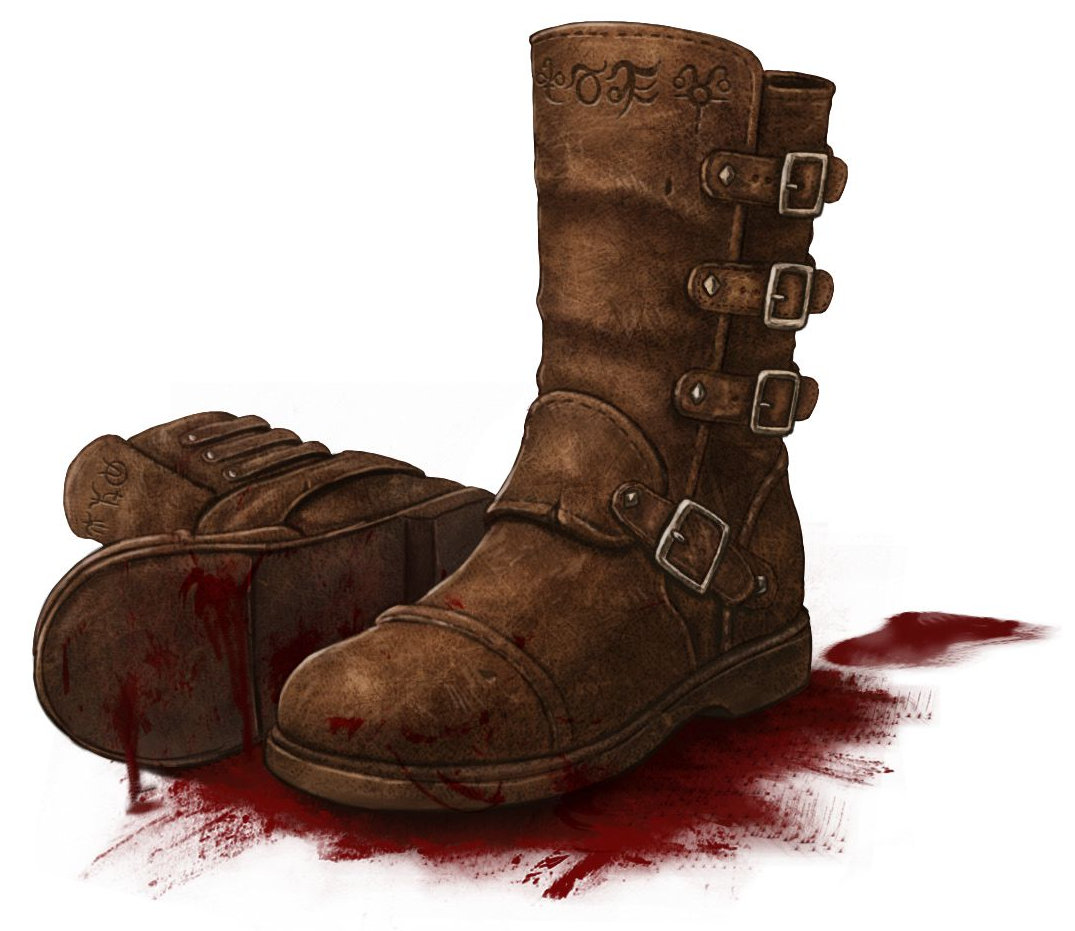
The magic armaments are very Red Mantis. The Bloodstride Blade (item 13) is a sawtooth saber that helps track creatures with blood and lets you teleport adjacent to a creature that takes bleed damage before Striking it. The Bloodstride Boots (also item 13) are also wonderfully gruesome, letting you move through pools of blood with translocation effects. Gaze of the Mantis (item 11) improves visual Perception and prevents you from being flanked, which is.always helpful. Sanguine Ammunition (item 8) is especially interesting for poison or disease spellcasting, letting the ammunition deliver certain spells to the target it hits.
The class feats are aimed mostly at Red Mantis associated investigators and rogues, and they are sharp but anyone with membership can take them depending on prereq. Personalized Poisoning (feat 2) lets an alchemical sciences investigator tailor poison to a studied target. Deadly Casework (feat 6) lets an assassin run an assassination as a special investigation, gaining a specific Pursue a Lead for their target. Fog Cloak (feat 6) makes you hidden in mist or fog until you are successfully found. Sawtooth Grapple (feat 8) lets a rogue with sawtooth saber training Strike with two weapons and potentially Grapple without a free hand. Heartless Debilitations (feat 10) adds bleed/poison weakness or frightened to rogue debilitations. Jumping to Sanguine Evasion (feat 18) is a reaction when reduced to 0 hit points, but you aren’t yet wounded. You get to avoid death in a spray of red mist, turning into a vapor form with a fly speed. Get away quick, because when you reform you’ve only got 1 Hit Point. Not every party will have access to these feats, but for the right Red Mantis PC or NPC they are fantastic. I certainly got Orin the Red from BG3 feels with these!
Mordant Spire: Warshards and Whispers
The Mordant Spire has always been strange, secretive, and tied to the legacy of Azlant, but High Seas updates it in a big way. I found them quite interesting in Ruins of Azlant, where I go to play Ezren with Order of the Amber Die, but also my brother is a Druid of the Mordent Spire in our Kingmaker game. Since the Godsrain, a warshard struck the Spire and embedded itself in the tower’s base. The result is not subtle. The Spire grew, new towers appeared, floating islands formed, access to lower depths collapsed, and the elves are left dealing with new visions, planar turbulence, possible ancient Azlanti magic awakening, and the question of whether isolation is still survival. Cue the It’s Fine meme.
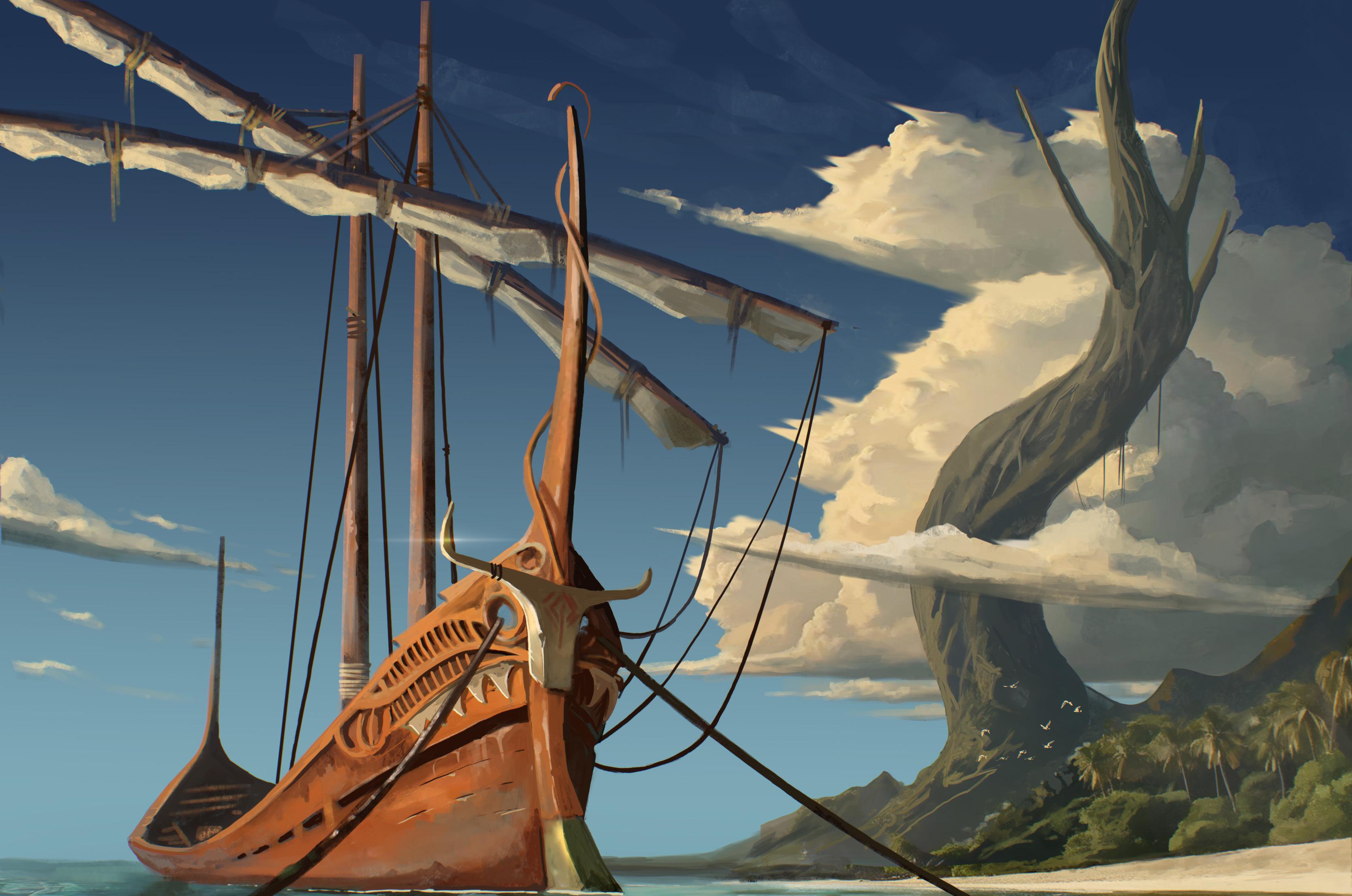
I love this sort of post Godsrain update and so I’m thankful for this detail in the Lost Omens books. We get to see more places we know and what’s happening there, and I hope only adds to ideas for players and GMs alike. Besides, the Mordant Spire is no longer a distant mystery. It is a mystery under pressure with increasing traffic since that adventure path.
The Mordant Spire masks are a wonderful item theme. Coral Aspect (item 4) is relatively low level, a mask that helps with Swim checks, gives armor the aquadynamic trait (yeah figured the link would help), and can turn you into a mobile coral reef that lets smaller allies share your space and gain AC. Mariner’s Mien (item 8+) is a great ship item, giving bonuses to Sailing Lore and Survival, letting you pilot a boat by thought, and eventually giving quickened actions for vehicle control. Mordant Mask (item 6) protects your Will against emotion effects and can drown out auditory effects with the sound of surf. Whispering Veil (item 13) is mythic and eerie, granting warnings, initiative help, and even a temporary Mythic Point for a check tied to your calling. It’s not the only mythic mention in High Seas as there’s an NPC noted within who was struck by a warshard and now has mythic power, but I won’t spoil who that is!
Spire Magic are a number of flavorful and useful new spells. Connective Current (spell 1) creates a magical link to an enemy so that when they move, you can move in the same direction. With Friends Like These (spell 2) is a great occult spell for sowing discord, making targets sickened and potentially preventing them from treating each other as allies. Undertow (spell 3) creates a dangerous area of water that punishes creatures and pulls them down. Anchoring Air (spell 1) is a reaction spell that interferes with an incoming melee Strike. Shipwreck (spell 8) is exactly what it reads like: a spell aimed at destroying a vehicle. I can already hear GMs cackling!
The Shackles: War Is Good Business
The Shackles is the High Seas region most people likely think of first when they think Pathfinder pirates, and High Seas does a lot to make the region feel current. The death of Gorum, the warshards, sea monsters, Andoran and Cheliax finally being at war, Cheliax’s blockade, and the Pirate Council’s pressure of Queen Tessa Fairwind’s governance all make the Shackles feel like a powder keg floating on an ocean of rum.
But hey, the Shackles are still the Shackles. They are dangerous, opportunistic, bloody, and full of freedom that can turn on you the moment your crew loses faith. But now there are more reasons for captains to take sides, betray sides, pretend to take sides, take one side then the other, or profit from everyone else’s sides. I just described the Pirates of the Caribbean movies I think. Letters of marque, privateer work, various proxy conflicts, and Cheliax’s meddling all mean your pirate campaign can have a lot more than we raid ships because pirates.
The new Pirate archetype feats are excellent for that. Bitter Taste of Betrayal (feat 4) gives you a defensive bonus against creatures you consider allies and against undetected creatures, which is perfect for a pirate who learned the hard way that crew and trustworthy are not synonyms. Inner Sea Privateer (feat 4) lets you use Sailing Lore to Recall Knowledge about High Seas creatures, ships, sailors, flags and false flags too. I like this Lore being used to Recall Knowledge about other things more and more, like the Necromancer’s Bone Speaker (feat 2) feat using it on living creatures with an internal or external skeleton. Oh I already mentioned that last time? True, true.
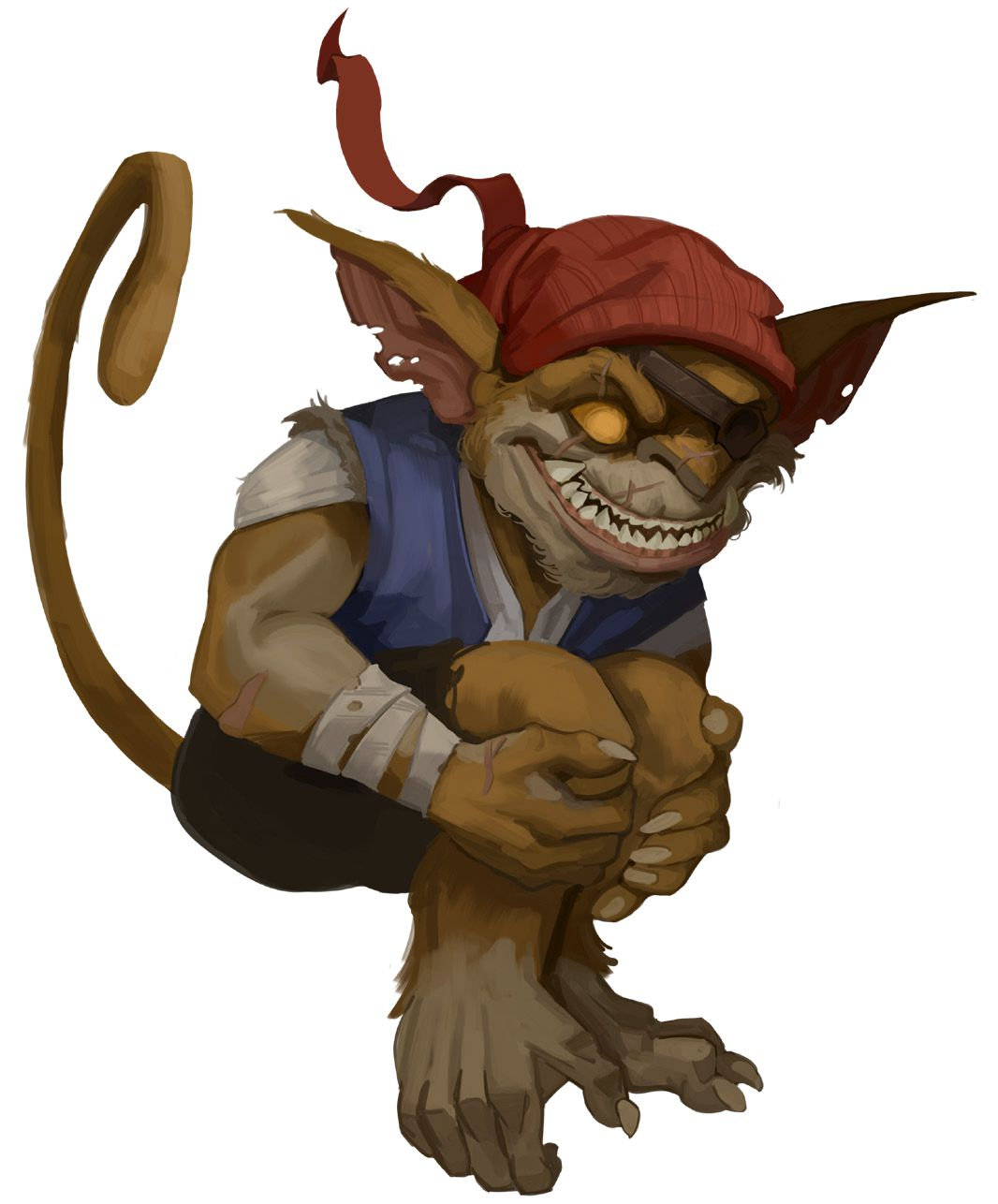
Cannon ball!
Into the Storm (feat 4) helps you fight through severe weather, while Pirate’s Pet (feat 4) lets you gain an unusually capable pet and a little innate spellcasting tied to that pet. You get to choose from a few special abilities to give it like speech or valet, and if you want instead of choosing a primal 1st or 2nd rank spell to target it, you can choose phase familiar. I could do something spooky with that! Sharkskin Grip (yes, still feat 4) gives bonuses around unarmed attacks, Acrobatics, Reflex, and escaping or grappling, plus it lets your successful Grapples scrape the flesh of foes equal to your fist damage dice.
The Dashing class feats are also great, though not all of them are for every class. There’s a swashbuckler, daredevil, rogue, certainly high seas corsair or priate feel here. Bullet and a Broadside (feat 2) is for gunslingers working next to siege weapons, letting them combine firearm or crossbow use with siege engine operation. Swan Dive (feat 2) is perfect swashbuckler nonsense, letting you dramatically leap or fall into water without damage and then Swim. Cannonball Fall (feat 8), pictured above, lets those trained in acrobatics or athletics intentionally fall onto enemies. Halyard Strike (feat 10) is the feat everyone will picture immediately: grab a rope, swing up to twice your Speed, and Strike during the movement. It even gets a bonus weapon die if you have Pirate Dedication and board or disembark during the swing. That is the kind of feat that exists because someone at Paizo loves Errol Flynn as much as they love tactical rules text!
The Open Seas & What Waits Below
The Open Seas section widens the lens. We get aquatic civilizations, wandering captains, buried cities, threats from the deep, and, most ominously, the alghollthus. The book makes clear that the alghollthus are moving in greater numbers after the Godsrain because warshards may be part of their plans from within their city. The phrase “veiled masters” should already make longtime Pathfinder fans sit up straighter, but High Seas gives them current momentum. They aren’t ancient history. They are looking for something now.
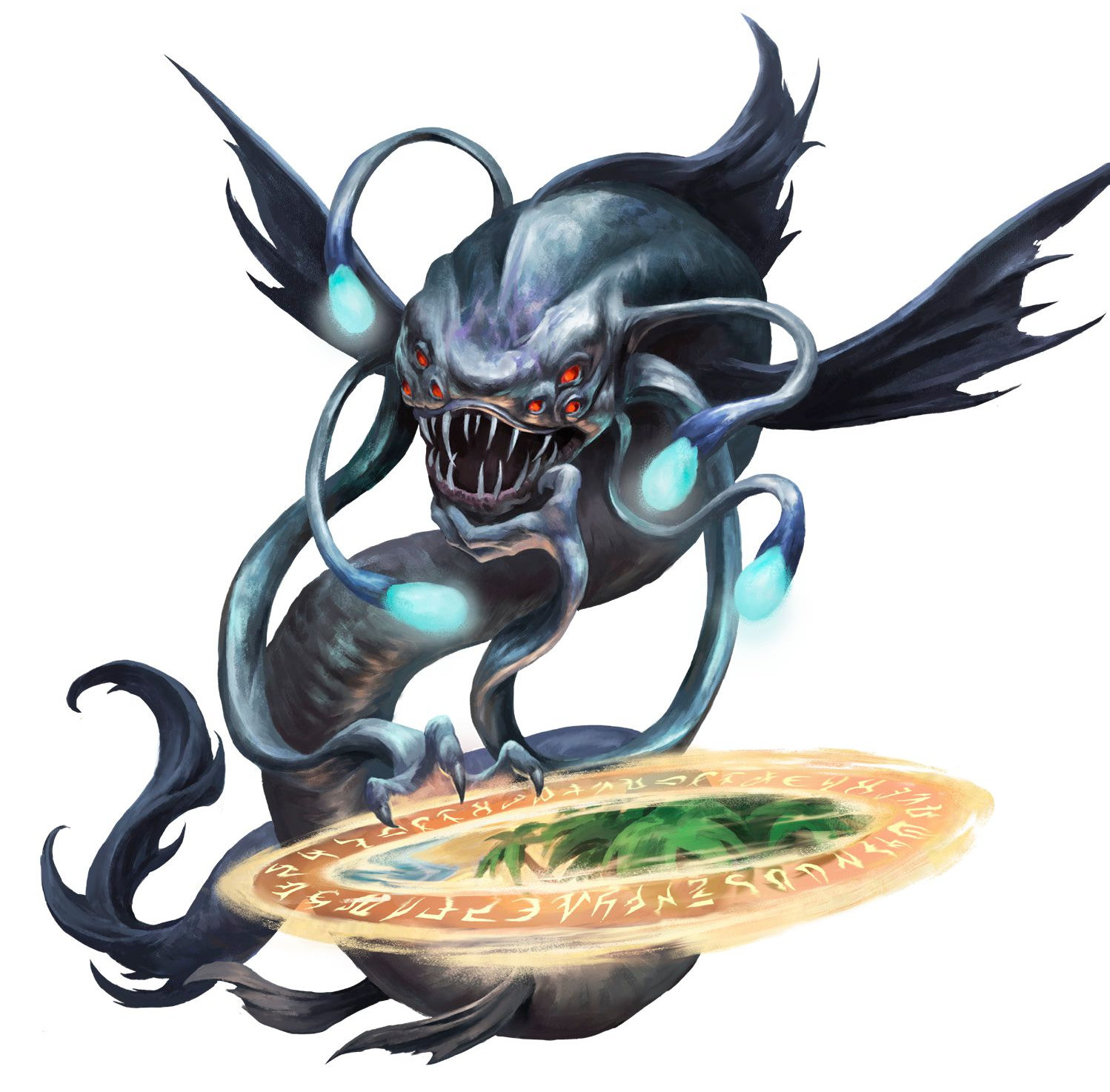
When a veiled master doom scrolls
I wanted to call out the notable figures in this chapter as they give GMs a lot to work with. Radaluuth is an ancient vidileth interested in keeping alghollthu activity secret, with an eye on Absalom and the Pathfinder Society. Osythoon travels under a false identity (that I won’t name), extracting memories and dealing in ancient relics. Emirel is an aquatic elf pushing Irim toward action and alliances. Eras the Needle is a Pathfinder venture captain investigating the evil beneath the Arcadian Ocean. Nelana Windwave is challenging Sealord Amodjun’s priorities in Kienek-Li. Torius Vin is a privateer with ties to Andoran and the Bellflower Network. White Estrid continues to be one of the coolest figures in the northern seas. There is a lot here, and most of it can collide with player characters very easily.
Godsgrave Isle also deserves a callout. A warshard struck the Eye of Abendego and caused an island to rise from the waters, tied to Rovagug’s prison and the memory of forgotten gods. Even after Rovagug’s immediate plans were stopped, the island remains littered with relics of those ancient deities. That is an adventure site begging for doomed expeditions, holy quests, cult activity, and treasure hunters who absolutely do not understand what they are touching.
Getting to the mechanics, the Marine Marauder archetype is the big mechanical centerpiece here. The dedication (feat 2) gives Underwater Marauder, improves your Swim checks, and gives you better net functionality. Like a Fish in Water (feat 4) gives you a swim Speed or improves the one you have. Marine Combat Training (feat 4) supports harpoons and tridents. Reactive Tangle (feat 4) lets you use a net as a reaction to Grapple a moving creature. Shark Attack (feat 6) lets you Swim twice and Strike during the movement. Pressure Change (feat 8) is one of my favorites because it lets you drag a grabbed or restrained creature rapidly up or down in the water and potentially sicken them with a Fort save. Marine Jet (feat 10) is big straight line underwater movement where 2 actions gets you a Swim action 5 times or 8 if you use 3 actions. Reel ’Em In (feat 10) lets you Strike or Grapple with the right fishing tools and pull the target closer.
The alghollthu magic items are appropriately unsettling. Crown of the Master (item 7+) protects against mental effects and eventually lets you cast dominate. Helm of the Tides (item 11) boosts Swim checks and can cast control water. Hydration Cloak (item 5) is practically necessary for some aquatic characters trying to operate on land for extended periods, and it can also grant water walk. Oneiric Crystals of the Slumberer (item 15) are creepy dream and memory theft tools that I’ll save the finer details for a GM using on your character! Finally the Trident of the Azarketis (item 11+) gives you hydraulic torrent from a weapon.
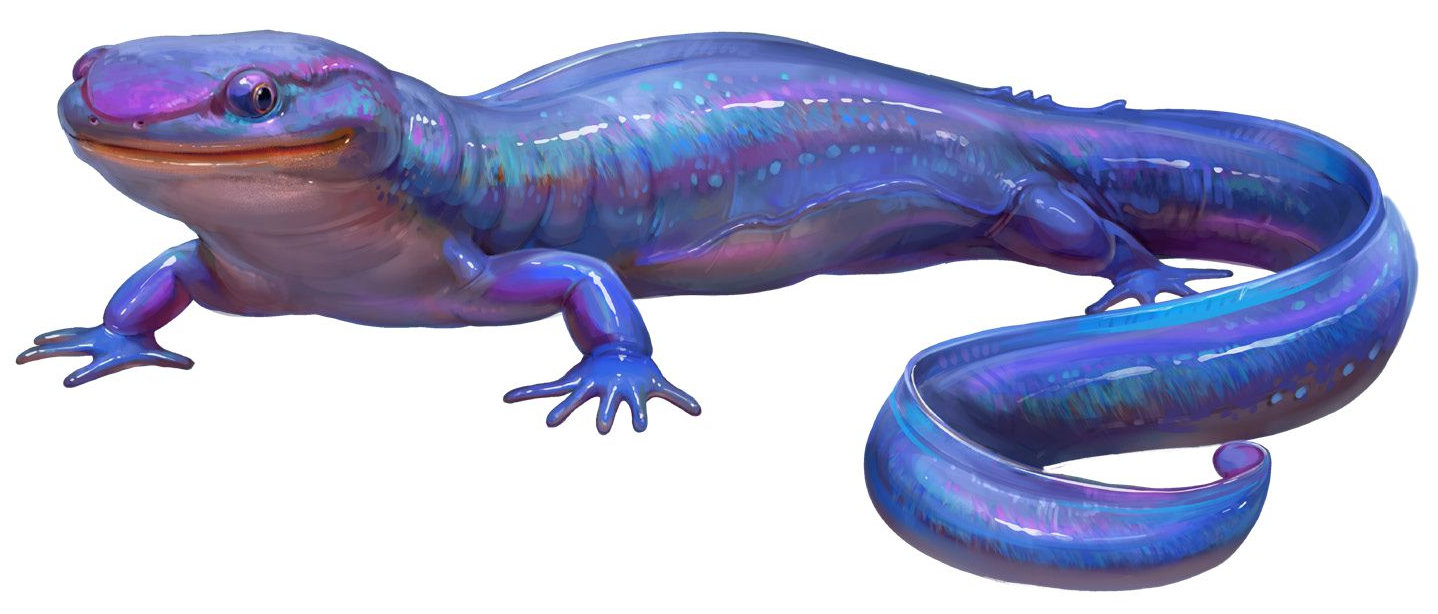
I mentioned there were undersea companions too and they are immediately useful. Cephalopods bring ink and grab. Iridescent Salamanders (adorably above)1 dazzle and sicken. Pufferfish add poison and persistent poison. Silt Frogs (also in the bestiary) detect magic, burrow, swim, and can counteract magic by biting it off a target. I love them. I fear them. I want one.
The Bone Ship
Oh this is a rather long article isn’t it? Maybe we save all the Necromancer for next time… I’ll just go into the first of the Bestiary: the Bone Ship. Welp. I knew I was going to obsess over this, besides it’s on the cover. Helmed by the Undead! What better time to drop some more necromantic detail!
The bone ship is a rare gargantuan undead creature, and it is exactly as horrifying as it sounds. It forms from great bones dredged from the seabed and shaped into a vessel. Whale ribs become hull timbers. Spines become masts. Smaller corpses animate into crew and boarding parties. Bone cannons launch debris and bone shards. Its soul gems hold drowned sailors. Yeah, it’s a creature and practically a Necromancer itself, but no it doesn’t have the class abilities. It is less a ship and more a mass grave with sails.
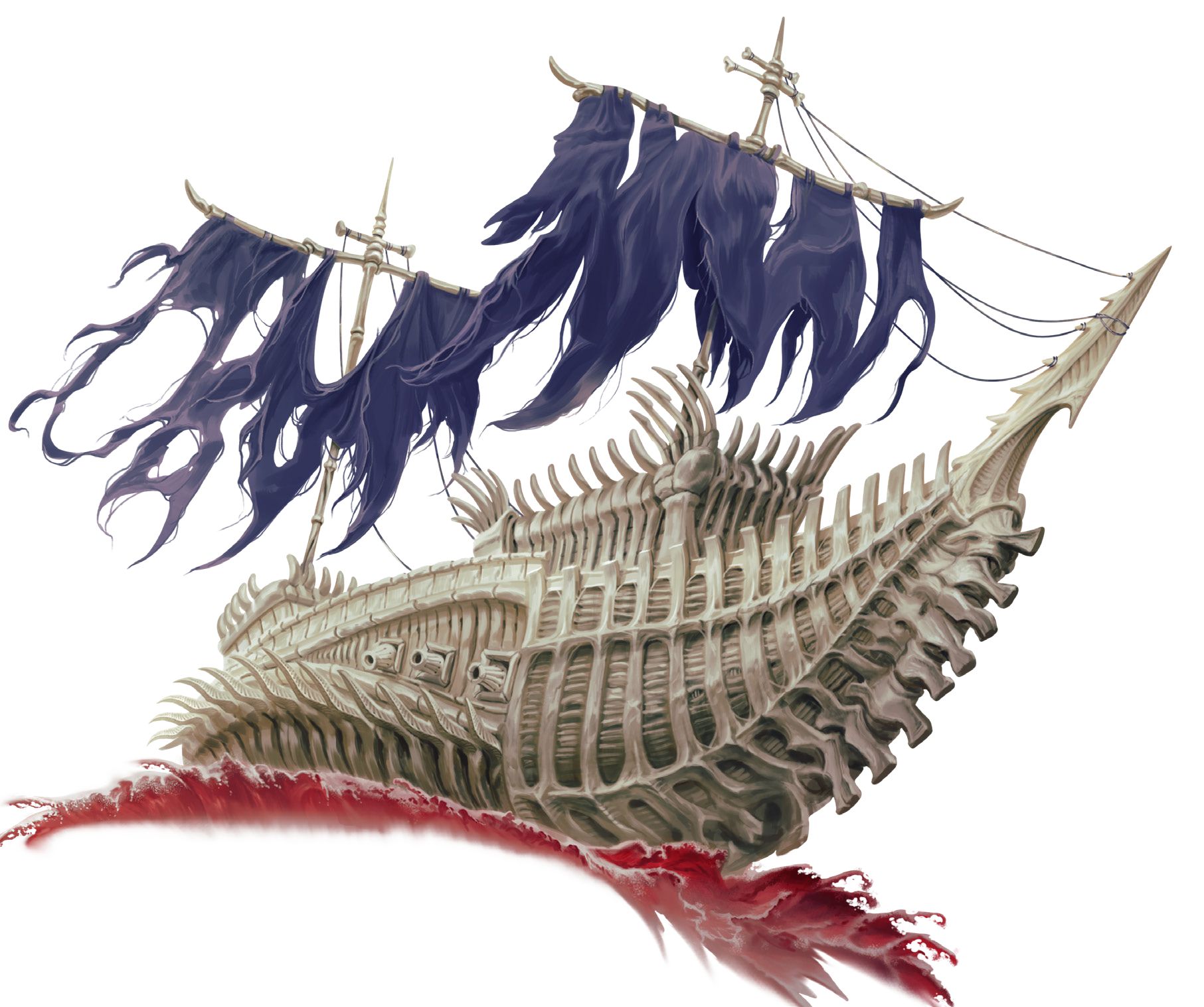
I wonder if we can get a “mini” of this…
This is pure orichalcum (or gold if you must) whether as a campaign villain or a high level nautical horror encounter. For a Necromancer Captain’s ultimate aspiration, this is terribly perfect. Mechanically, the bone ship has everything you want out of a terrifying undead vessel. Blood Wake frightens living creatures in the water around it. Skeleton Crew makes it a collective consciousness of dead sailors’ souls, immune to many single target mental effects, and communicating with it telepathically is a bad idea. It has hull attacks, skeleton crew attacks, bone cannons, a Cannonade, Chain Shot to grab creatures at range, Crew’s Call to unleash a massive deathly wail and grab nearby creatures, Keelhaul to drag victims beneath the ship, and Press Gang Soul to claim someone who died from its assault or drowning. That last one is brutal. It’ll kill you then it’ll recruit you!
The sidebar about piloting a bone ship is the kind of thing that will make certain players stare at their GM with the eyes of a child who has found a forbidden cookie jar. If defeated without being destroyed, or commandeered by a more powerful undead, it can be used as a vehicle. I am not saying your GM should let your Necromancer pirate captain have one. I am saying the book gives rules for the possibility, and that is dangerous information to give me. Okay, fine, let’s talk Necromancer pirate captain!
The Necromanc-Arrrrrr Captain!
I didn’t come up with that. Shout out to Anton on bluesky. I had to come in here and change the title after I saw his comment. I wanted to give some context and more detail on feats and particularly focus spells at lower levels, especially 6th through 10th but even some other detail on low level focus spells as there were questions. Well here we go, what better way than with such fine High Seas undead pirate captain context!
I figure a Final Method Reaper Necromancer is the most obvious captain with a blade version. At low levels, obviously the previously detailed Draining Strike (feat 2) and Body Shield (feat 4) are great options. But let’s go further! Bind Heroic Spirit (feat 6) is now a Reaper only feat and available a lot sooner than 18th level! It really sells the heroic (or maybe horrifying) captain fantasy. You gain the related 2-action focus spell that destroys a thrall and binds the spirit of a hero into yourself for 1 minute, gaining a status bonus to attack rolls and all saving throws. Since all you reaper fans have been cheering and chatting on social, reddit, etc. here’s what that looks like officially:
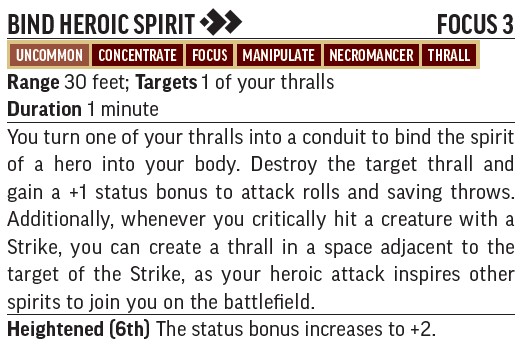
Yep, gets better at 6th rank too. This is the power that you see being used by that dwarven Necromancer in my last article. But that’s not all! When you critically hit with a Strike, you create a thrall adjacent to the target. That means your captain strides into battle with ancestral heroes, drowned legends, or dead pirates singing in their bones. Crits call more spirits to the field. The more daring you are, the more the dead answer. So thereafter (perhaps same round) that means due to your Thrall Proliferation you could cast create thrall with 1-action, creating one thrall having it Strike but you also get to Strike as a free action against a creature adjacent to a thrall, perhaps the one you just made. And if you critical, you make yet another thrall! All for one action! And there may still be a high level feat to take if you take Bind Heroic Spirit, but you’ll have to read next time for that one…
For 8th-level feats for this Reaper build, I like Wings of Bone and Sinew (feat 8, one-action) for the sheer drama of it. Destroy a thrall and grow skeletal wings for a minute. On a ship, that means rigging mobility, boarding action, emergency repositioning, or simply the visual of a necromantic captain rising above the deck. Infuse Void (feat 8, one-action) is more caster leaning, but if you are using damaging grave spells, it adds void damage and can refund a Focus Point once per 10 minutes if the damage drops a creature. March of the Dead (feat 8, 3-actions) is another incredible shipboard image: your thralls surge across the deck, and enemies adjacent to enough of them risk becoming encumbered and slowed. This is the mass movement of thralls Josh spoke of during PaizoCon. All the thralls you wish to Command with 60’ get to Stride 60’! The encumbered and slowed effect is a Fort save versus your spell DC.
At 10th level, Desperate Surge (feat 10, one-action) is very tempting for a Reaper because it lets you use a spell attack roll instead of Athletics to Grab, Reposition, Shove, or Trip. That’s a huge boost for a high-Intelligence necromancer who wants to fight like a monster without investing as heavily in Athletics. It’s once every ten minutes unless you use an action for an unarmed Strike to destroy one of your thralls, consuming its energy. I love the rp-aspect here too as it’s meant to represent that surge of strength you might feel in a life or death situation! Necromantic Lifesense (feat 10) is also very strong and flavorful, giving you imprecise lifesense and letting you know the current Hit Points and temporary Hit Points of living or undead creatures you can see within range. This is perfect for a captain as the battlefield commander type material. Skeletal Extension (feat 10, free) can be useful if you are destroying thralls with grave spells and want increased reach and better Step (15’!!!) movement for a turn. That’ll help the captain navigate a dangerous bone ship while reaching their target!
The Strings & Sails Necromancer Captain
The Puppeteer Necromancer pirate captain is a different beast. Instead of being the blade at the front, they are the one sending wave after wave of dead boarders across the enemy ship. They puppet the ship like the puppet their crew, quite possibly manipulating the bone ship to command its crew! One ghastly feat they may choose is Deathly Scream (feat 2), which you might have missed someone asked me about and I later updated the article to call out its grave spell deathly scream is only 1-action! There are more than a couple single-action focus spells for the Necromancer, well balancing their need to Create Thralls and cast spells!a
Conjurer of Corpses (feat 6) is the big Puppeteer only feat. You add summon undead to your dirge, gain an extra highest rank necromancer slot that can only prepare summon undead, and your summoned undead can be destroyed and targeted by your spells and abilities as if they were thralls. This means the Necromancer who already plays with disposable bodies now gets a more substantial undead creature to use as part of their engine. On a pirate ship, that is your dead bosun, drowned marine, or skeletal boarding brute.
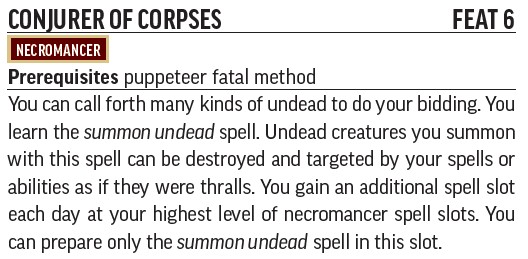
Deathly Scream doesn’t destroy that target thrall, so they could be frightening those around them and then Striking! You might also want Zombie Horde (feat 6) and its related two-action grave spell. The change from the playtest here is the range is 30’ instead of 60’, but when you sustain to move it can move 15’ instead of 10’. Also, you clever Necromancers, you can now only get it to maximum size of a 30’ burst. So you’ll only need 4 thralls in the area to really blow up to the maximum size! That’ll dominate the whole deck of a ship or perhaps most of the watery grave you’re sending your enemies to if you’ve got Mobile Thralls (feat 4)
For 8th level, Conglomerate of Limbs (feat 8) is a very strong Puppeteer style option, changing from the playtest. The appropriately named grave spell is also only 1-action! You create a Huge thrall within 30’ (instead of 60’) with real Hit Points and special interactions with thrall charge. It can make two Strikes against different creatures, and targets it hits may become grabbed or restrained. That is a boarding action in one focus spell with just one-action. Put that on a deck and suddenly the enemy crew has a lot of problems. March of the Dead (feat 8, 3-actions) as mentioned for the Reaper also works beautifully for a Puppeteer as you likely have a number of thralls to do your bidding.
Overburdening Spell (feat 10, one-action) feels extremely appropriate for a 10th level Puppeteer Pirate Captain because it lets a single-target spell weigh down the target’s life essence, penalizing Speeds. On a ship, speed penalties are brutal. You want enemies stuck on the wrong deck, unable to climb rigging, unable to swim away, or unable to escape your undead crew. Expanded Necromancy (feat 10) is likely what I want for my Necromancer. This is yet another ability that Josh alluded to during PaizoCon. It gives you more necromantic spells in your dirge over time. First you get grisly growths. When you can cast 7th rank spells you get execute. Dessicate for 8th. Massacre for 9th. You cast them as occult spells as you might expect.
I’m sure you agree that High Seas and Necromancer click together so well. The cover demanded I talk about Necromancer, though well… of course I wanted to discuss it more! Beware the haunted pirate ship, especially if it’s made of bone and certainly beware its Necromancer captain!
A Few More Creatures
The Bestiary has more than the bone ship, of course. Coral Capuchins (creature 1) are charming little amphibious flying pests that love trinkets and can make wonderfully chaotic familiars or shipboard nuisances. Coral Juggernauts (creature 9) are constructs made from coral and sediment, with symbiotic sea life inside them. They heal underwater, grab enemies, shock them with electric eels, and use silt and water to drag creatures closer. That is a great encounter for an underwater ruin or reef defense, perhaps after fleeing a destroyed ship or being thrown overboard.
Flotsam Terrors (creature 4) are another undead standout. They form from shipwrecks, debris, bones, seaweed, and the trapped souls of sailors. They can disguise themselves as harmless wreckage, break apart into a swarming mass, and rebuild themselves from nearby nautical debris. That’s perfect for a monster haunting a cursed shipping lane.
Lunar Consorts (creature 2) are lower level undead with a haunting, tragic presentation: drowned under moonlight, wrapped in ectoplasmic skin like a shimmering gown, and luring victims with beauty and secrets. They are great for a spooky coastal village, a moonlit lake, or a ship anchored in the wrong cove.
The Naval Crew (creature 8) is a troop creature, and I’m always happy to see troop support. It lets GMs run disciplined soldiers as a single tactical unit, with cutlass formations, crossbow salvos, and the ability to rock the boat (literally). After all, sometimes the enemy is not one pirate champion. Sometimes it is twenty trained sailors advancing as one!
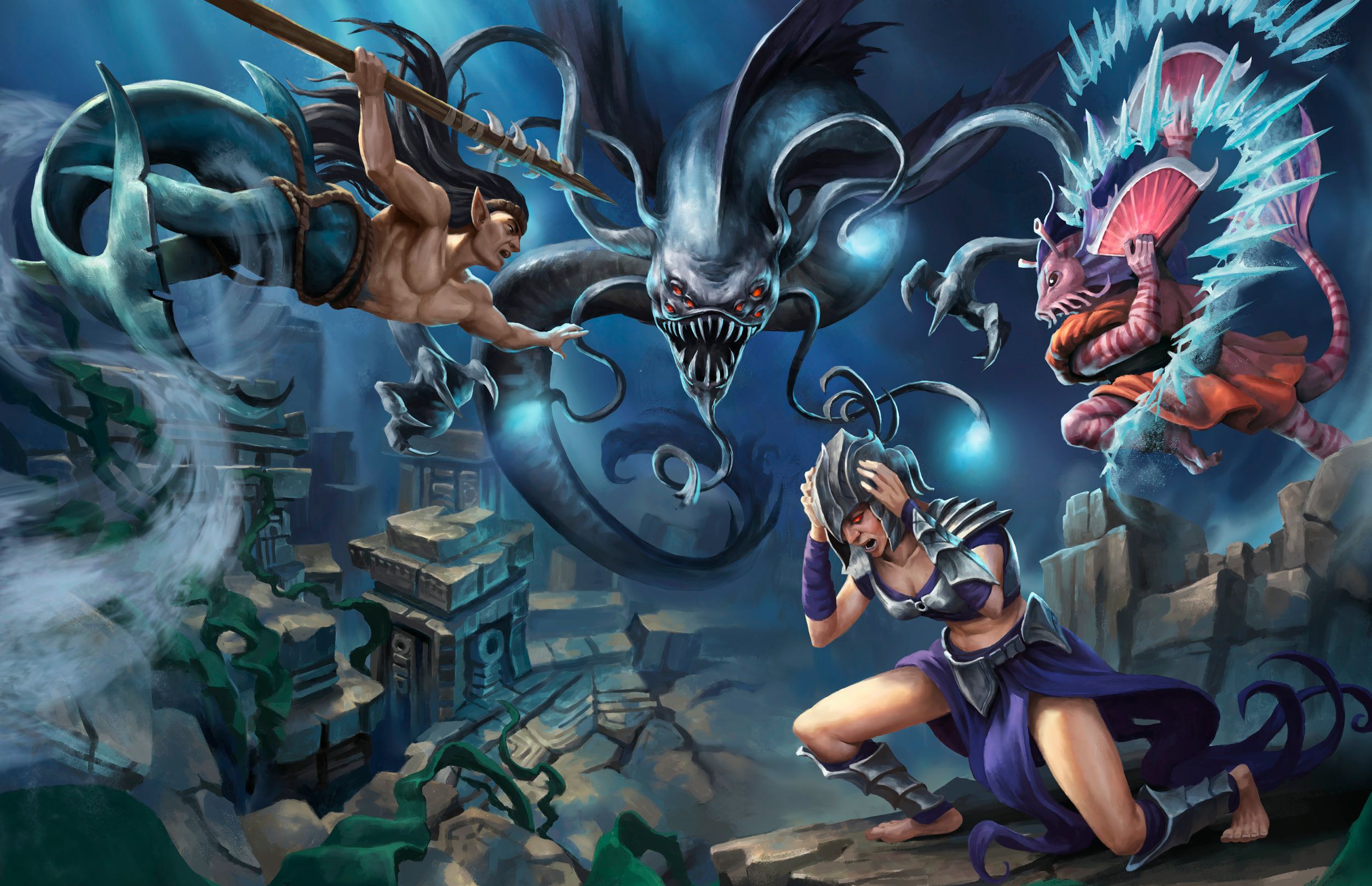
The Scylla (creature 16) is another fantastic high seas nightmare. This is a rare aberration that uses illusions, mental magic, and control over both water and the weather to make itself a whole maritime disaster. As you can see below, it is wonderfully horrible: a beautiful humanoid upper body, canine heads along the waist, and writhing tentacles below. Mechanically, the Scylla feels like a full encounter environment. It grabs with long reaching tentacles, knocks enemies down with wolf jaws, unleashes a devastating mental and sonic screech, and can call up a churning charybdis to chew through ships and sailors alike. That makes it a great apex predator for a dangerous sea passage, especially because the book notes that thriving reefs and abundant sea life might actually be a warning sign: sailors avoid Scylla waters, so nature flourishes around the horror waiting beneath!
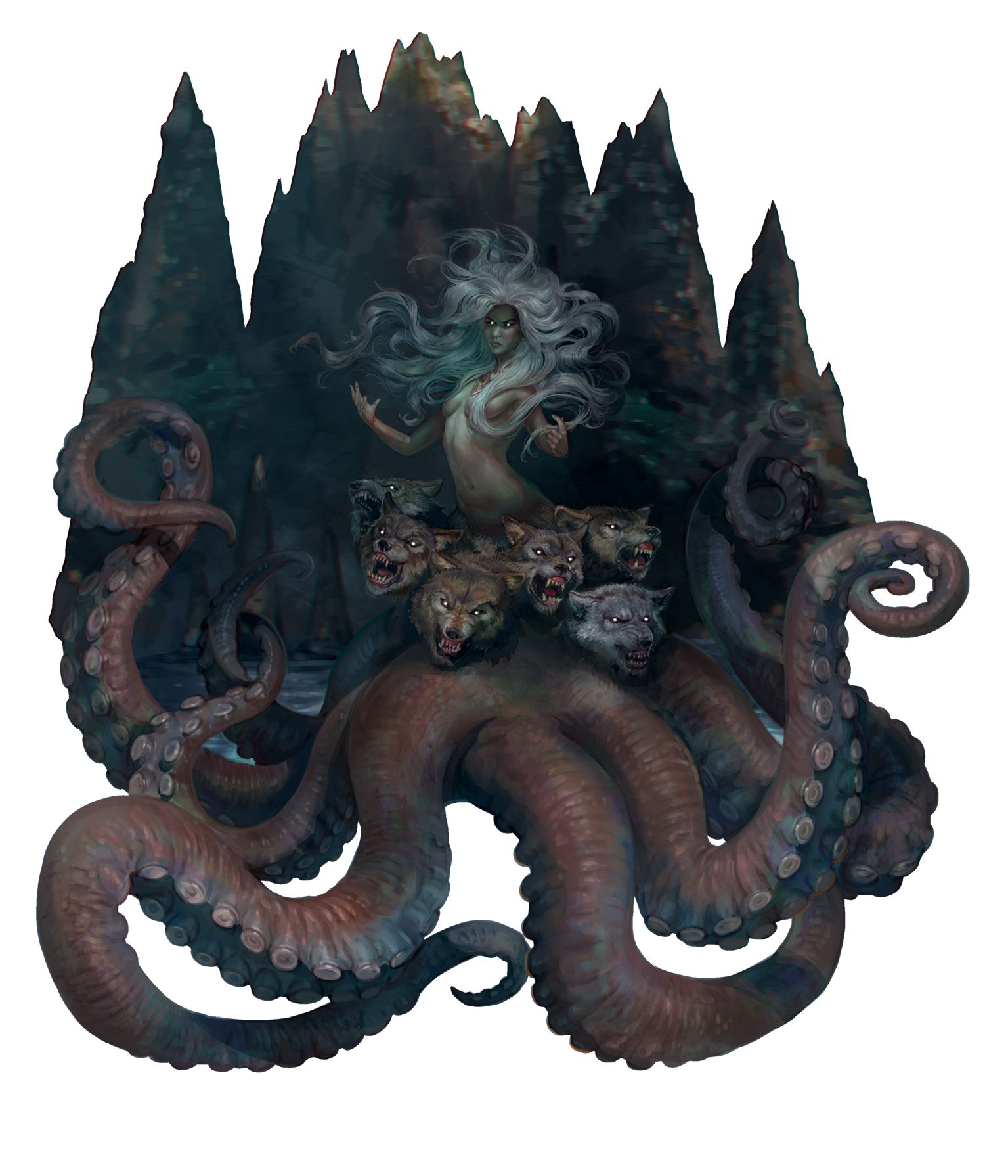
Truly a nightmare at sea
All Aboard!
High Seas updates major regions after enormous world events, gives GMs tons of adventure fuel, and gives players meaningful mechanical options that actually feel tied to the cultures and dangers of the sea. A big thank you to all that contributed to High Seas including Luis Loza as Development Lead and our Design Leads: James Case and Ivis K. Flanagan!
There’s so much lore and exploration to be had here. It’s far beyond a pirate book, as it lets you be a protector, explorer, or even an athletic diplomat in the case of the Athamaru! I highly suggest you invest in this tome as it encourages me to travel, perhaps not taking the safest route. What sort of an adventure would that be? Let’s chart the weird island that should not be there is a good idea. Or perhaps for you Necromancers it’s hey that ship is made of bones, so obviously we need to know more! And if you haven’t checked out Josh’s latest iconic encounter for Usharak, head over to the Paizo blog!
Next Time
This makes me even more excited for Impossible Magic and the Necromancer. The High Seas are already full of drowned dead, ancient grudges, haunted wreckage, and sailors who would rather curse the gods than die quietly. We’ll keep Investing In the Necromancer next time, moving into higher level options and the bigger, stranger class choices still waiting in the dirge. And yes, we’ll be talking with Joshua Birdsong again here soon too, because there is still a lot more Impossible Magic to dig into!
So rather than my typical close I’ll say keep your powder dry, your dead accounted for, and your ship pointed toward trouble! Okay, much love to all as well!
Investing In:
I wasn’t quite sure what to name my article series when I first started but the idea of showcasing or discussing things that make me excited, that I find new and interesting, or maybe I’m otherwise passionate about seemed to fit with the idea of Investing In something like the Pathfinder 2E mechanic. To use some magic items you have to give that little bit of yourself, which helps make these things even better. I like the metaphor of the community growing and being strengthened in the same way!
I also want to hear what you’re Investing In! Leave me a comment below about what games, modules, systems, products, people, live streams, etc you enjoy! You can also hit me up on social media as silentinfinity. I want to hear what excites you and what you’re passionate about. There’s so much wonderful content, people, groups (I could go on) in this community of ours that the more we invest in and share, the better it becomes!
Sources
Banner – Cover altered, Pathfinder: Lost Omens High Seas, Paizo, covert art by Mirco Paganessi
- Introduction excerpt, Pathfinder: Lost Omens High Seas, Paizo
- Introduction Banner, Pathfinder: Lost Omens High Seas, Paizo
- Athamaru, Pathfinder: Lost Omens High Seas, Paizo
- Aquatic Elf, Pathfinder: Lost Omens High Seas, Paizo
- Merfolk, Pathfinder: Lost Omens High Seas, Paizo
- Tripkee, Pathfinder: Lost Omens High Seas, Paizo
- Abadar, Pathfinder: Lost Omens High Seas, Paizo
- Ermine, Pathfinder: Lost Omens High Seas, Paizo
- Bloodstride Boots, Pathfinder: Lost Omens High Seas, Paizo
- Mordant Spire banner, Pathfinder: Lost Omens High Seas, Paizo
- Cannonball Fall, Pathfinder: Lost Omens High Seas, Paizo
- Allgholthu, Pathfinder: Lost Omens High Seas, Paizo
- Iridescent Salamander, Pathfinder: Lost Omens High Seas, Paizo
- Bone Ship, Pathfinder: Lost Omens High Seas, Paizo
- Bind Heroic Spirit, Impossible Magic, Paizo
- Conjurer of Corpses, Impossible Magic, Paizo
- Scylla, Pathfinder: Lost Omens High Seas, Paizo