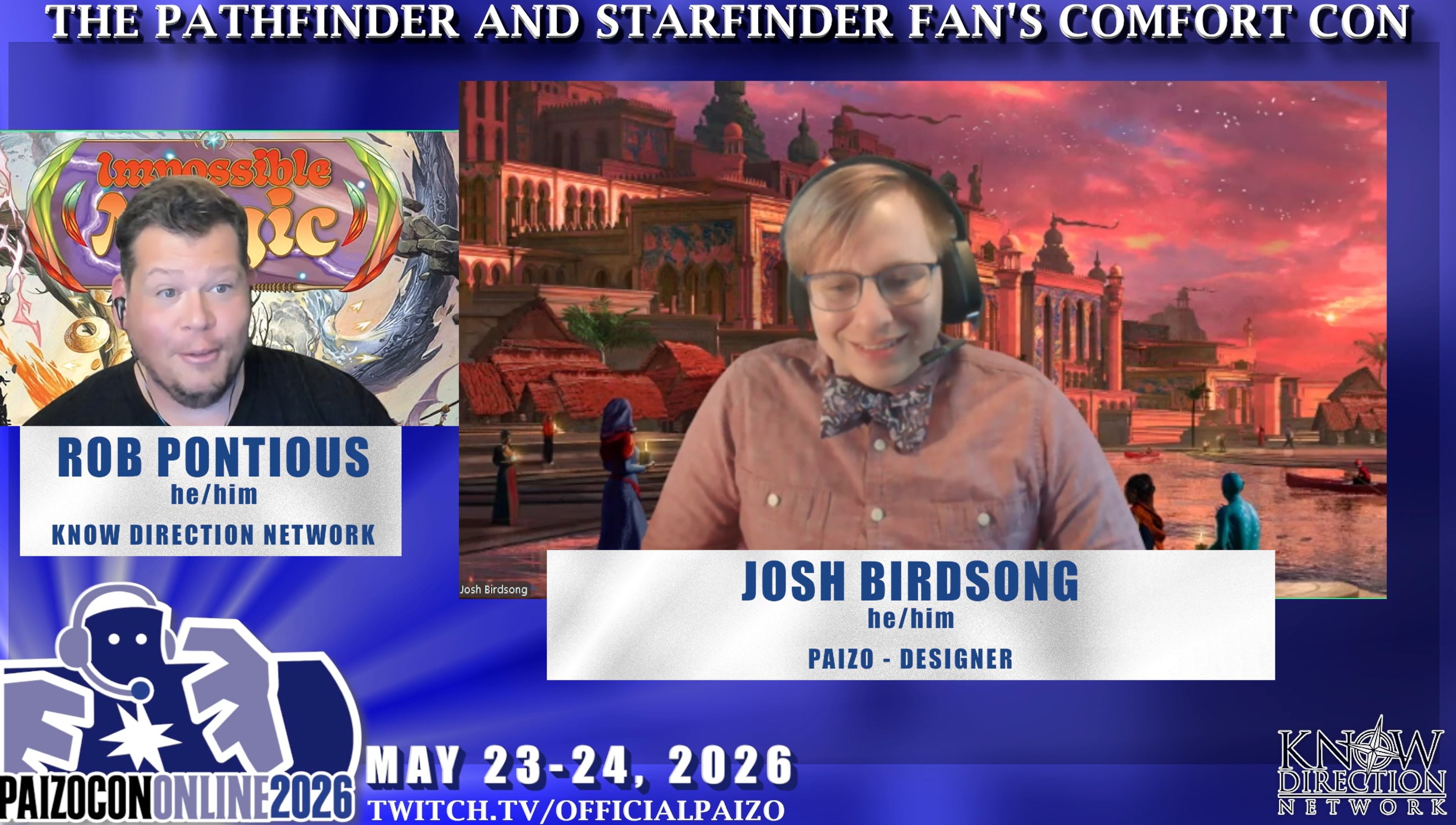

“Necromancer = Thralls, Runesmith = Runes.” – Joshua Birdsong, Impossible Magic panel
Josh saying it quick and direct. Gotta love when a simple sentence tells you exactly what a class is meant to focus on.
Pathfinder is full of flavorful, interconnected systems. That is part of why I love it. It is also why, when a designer can sum up a class identity that cleanly, my ears perk up. During PaizoCon Online, I had the absolute thrill of talking with Josh Birdsong (improphet on bsky) about Pathfinder Impossible Magic, the forthcoming hardcover that promises all kinds of magic! The new, the remastered, and, yes, the impossible magic!
If you watched, you might have heard me note that I also did my homework. I wanted more than a simple “tell us again what the book is.” Oh of course, we wanted teases and spoilers. But I love our designers, our artists, our creators and rule makers. They bring themselves to their work, best exemplified by their penchant interests and their cultures. Josh has been part of some very exciting Pathfinder work, including Moster Core and Monster Core 2, Rival Academies, NPC Core, and the Draconic Codex. Of course he helped with the Impossible Playtest! I wanted to make sure the discussion had room for both the big announcements and the little design hints that make character builders immediately start opening Pathbuilder, Archives of Nethys, and seven browser tabs worth of feats and spells! I wanted to know what changed from playtest for our new Necromancer and Ruensmith as well as the changes we could expect for Magus and Summoner.
Impossible… Things Are Happening Every Day!
I’m playing a Necromancer in an Impossible Lands campaign so yeah, I had real interest there but Impossible Magic is so much more! Had to ask what those like me had to look forward to, but more than that I started with the ask about how tied to the Impossible Lands this book would be. That book starts with a good warning about having an open dialogue (session 0 and safety tools) due to the themes of the Impossible Lands. Before we got into the crunch, I asked Josh if we’d see the same. The answer is not in the same way, no, since it’s not a Lost Omens book. You’ll be able to use this book in any campaign, even outside of Golarion. The Impossible Lands are one of the strangest, most evocative regions so there’s still flavor there and you can be sure I’ll dig into the Lost Omens lore ahead!
Truly, Impossible Magic is more than a couple new classes and some spell changes. Josh was sure to stress how much new we’re getting! It’s a big swing at what magic means in Pathfinder Remastered. It brings in the Magus, Summoner, Necromancer, and Runesmith to Remastered. It includes over 240 spells, plus focus spells and other magical options. It digs into impossible spells that push mortal magic so far that they can scar the soul. It ties into Nex, Geb, and the legacy of magical ambition that defines the Impossible Lands. And from what Josh teased, it sounds like the design team has taken the playtest feedback seriously while still preserving the bold identities that made people excited in the first place.
So let’s invest in the impossible!
Magus: Still the Magical Damage Warrior
The Magus is a Pathfinder class that inspires immediate loyalty. People love the fantasy of blade and spell becoming one action-movie moment. They also have very specific opinions about how that should work at the table, because Magus players are managing melee and magic, making the turn be poignant and stylistic.
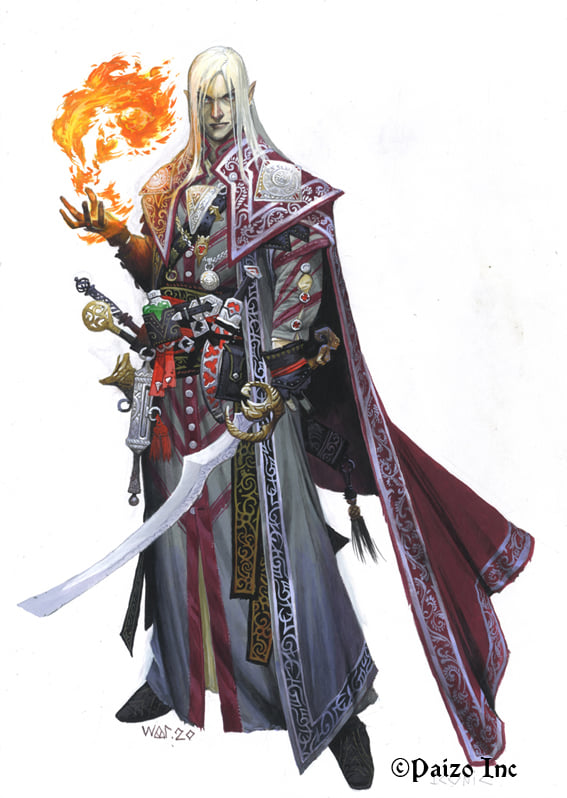
Josh described the Magus changes as touch-ups and quality-of-life improvements rather than a full overhaul. That is probably the right expectation to set. This is not a brand-new class replacing the old Magus. It sounds more like the Remaster pass many players were hoping for: cleaner, smoother, and hopefully less awkward in the places where the existing class can feel like it is fighting the rules instead of the monster.
One major point Josh acknowledged was the save-based Spellstrike issue. Anyone who has played or GMed for a Magus knows that Spellstrike is at its most intuitive when it is about landing that spell through a weapon attack. Save-based spells raise a lot of questions in that structure. Josh did not spell out the final solution, but the fact that the issue was recognized is encouraging.
There was also discussion around the manipulate trait, Reactive Strike, and Arcane Cascade. Again, we did not get final rules text yet, but Josh indicated that changes were made to improve satisfaction. Arcane Cascade in particular sounds like it will become more accessible, which matters because Magus already asks players to manage action economy, positioning, spell choice, recharge rhythms, and the constant temptation to do something extremely cool even when it is not optimal.
What I liked most was the way Josh framed the Magus in contrast to the Runesmith. The Magus remains the magical damage warrior. That is the lane. If you want the character who pours spell power through a blade and makes one hit feel like a thunderclap, Magus still owns that fantasy!
Summoner: More Readable, More Eidolons
The Summoner also received touch-ups rather than a total rework. That makes sense since I think Summoner = Eidolon. The Summoner’s core identity is already strong: you are more than caster with a pet. You and your eidolon are a shared character concept, a two-body story, and a mechanical puzzle in every encounter.
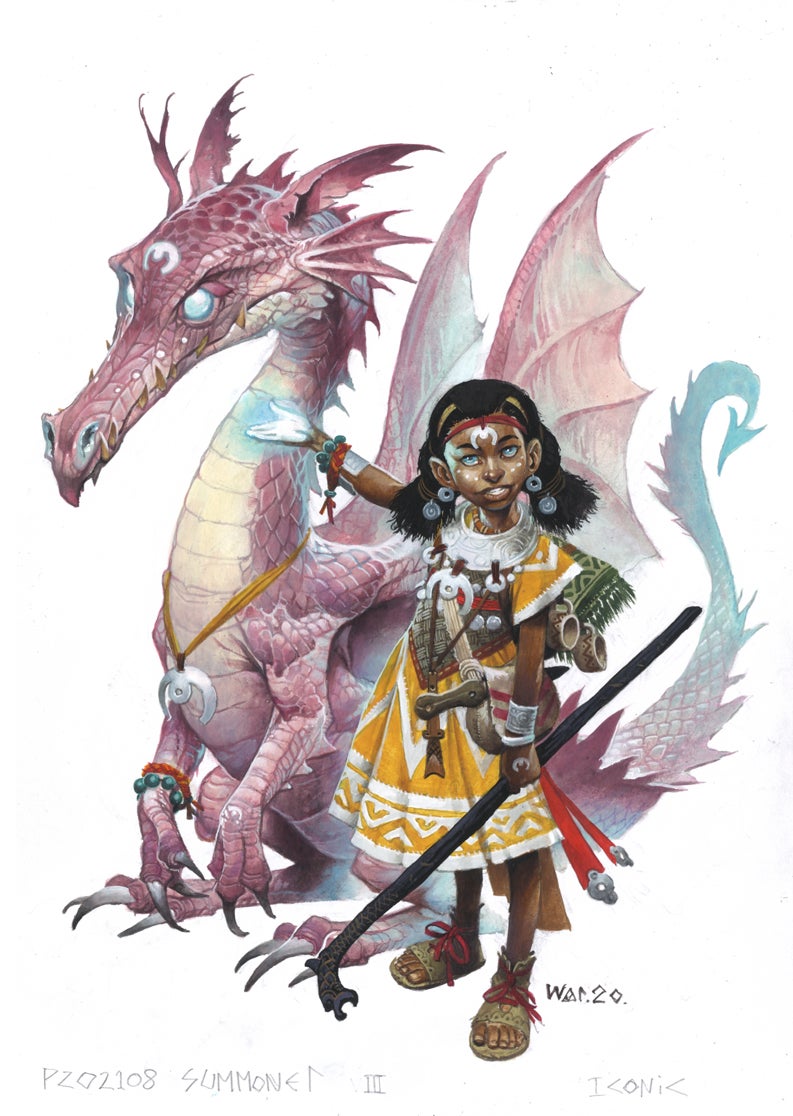
The most interesting detail Josh shared is that the Summoner has been expanded and reformatted to make room for more eidolon options and improved readability. That might sound like a small thing until you remember how much information a Summoner player needs to process. Eidolons are flavorful, but they also carry a lot of rules to track. Any effort to make that information clearer, more digestible, or easier to compare is a win. Guess Necromancer and Summoner really get to enjoy pets!
More room for eidolon options is also exciting. Summoner is one of those classes where the subclass features go beyond abilities; it gives you a co-star. The eidolon determines the table presence of the character in a very direct way. New or expanded eidolon support can mean entirely new stories: stranger companions, different traditions, new combat rhythms, and different ways of saying, “No, this is not my animal companion. This is the other half of my adventuring identity.”
A question about Synthesist came up, but Josh did not have anything concrete to share there. So if that is your dream, keep dreaming, but do not treat this panel as confirmation! We’ll have to see what the final tome reveals. Josh also hinted that a shared feature between Magus and Summoner was getting improved that would likely please many. I couldn’t think what that could be but ultimately seems to be their limited or “bounded” Spellcasting. Could they be getting more spells at lower levels or perhaps even more versatility? Shout out to my friend Mike Greer for quickly calling this out to me.
Ultimately, for Summoner fans, the takeaways are promising. More readable, more room for eidolons, and quality-of-life improvements are exactly the kind of changes that can make an already beloved class easier to bring to the table.
Necromancer: We’re Getting Bloody!
This was the section I was most personally invested in, because I’m currently playing a Necro as I noted above. My character is a Spirit Monger, and I have already fallen in love with the strange little tactical and narrative space thralls create. They’re definitely not minions, but feel that way. Maybe they’re the dead you find or more likely the dead you trap! They’re certainly battlefield texture and a personal aesthetic. They are a problem for the enemies, a resource for the necromancer, and in my case, a whole ghostly vibe! So when Josh said, in essence, that Necromancer equals Thralls, I felt very seen. Thrilled to learn he’s a big Necro fan as well.
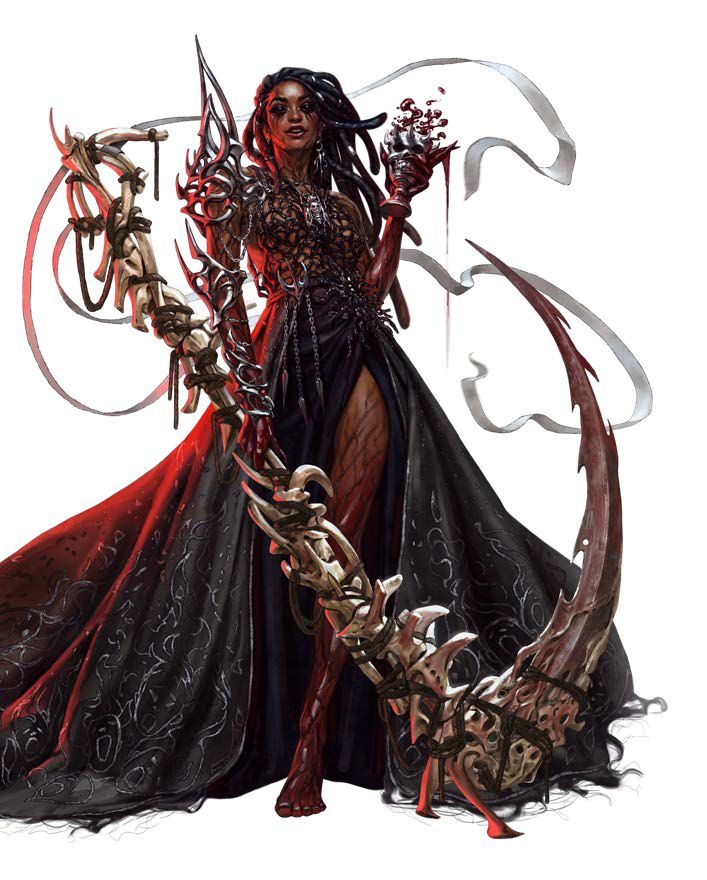
One of the biggest clarifications was why Necromancer is an occult caster but with some new considerations from the playtest. That is a fascinating piece of design direction because necromancy has always had feet in different traditions but now at least the Occult list is getting more of these spells. Divine necromancy makes sense because of souls, undeath, vitality, void, and the metaphysics of life and death. Arcane necromancy makes sense because wizards have been meddling with corpses, souls, and forbidden formulae since fantasy learned to keep a skull on a desk. Occult sits in that strange space between the two. It can hold the spiritual, the eerie, the esoteric, and the intellectually forbidden all at once.
That also helps the Necromancer feel different from simply being “a wizard, but spooky” or “a cleric, but less welcome at dinner.” The occult tradition gives the class a mood. It makes necromancy feel like something half-remembered, half-studied, half-whispered by the dead. I’m curious if we’re getting the spells fully on occult list or it’s more just the Necromancer gets access. I had considered maybe we’d get certain spells based on thrall type/subclass.
The playtest feedback around thralls clearly mattered. Josh teased that thralls will have movement options in the final version, though in a limited capacity. That’s huge as I’m already feeling it at level 2. In the playtest, one of the tensions of the class was that thralls could create incredible board states, but positioning them could be frustrating. If your whole class identity revolves around disposable undead bodies, you want those bodies to feel like part of the fight rather than scenery the fight has already moved away from.
The key phrase here seems to be limited movement. This does not sound like every necromancer will freely slide an entire undead army across the battlefield every round. But it does sound like there will be accessible ways to reposition thralls, and maybe some investment options for doing more. As someone playing the class, that is exactly the kind of thing I want. I do not need the class to become effortless. I want it to remain tactical. I just want the tactics to include enough tools that my best turn is not invalidated because the battlefield shifted five feet to the left. Josh said there’d be a high level way to move all at once, and sure seemed to me it might feel like telling an army to march forward, perhaps Troop rules?
The big subclass tease was the Blood Necromancer. We were all looking for it! Blood magic is intimate and visceral in a way skeletons and ghosts are not. You know those Nidalese and Gebbite vamps are making blood thralls. Josh mentioned blood thralls granting 1 hit point when destroyed. That sounds small until you start thinking about the implications. If the necromancer goes down, an ally might be able to destroy a thrall to get them back up. If you are building around melee attrition, coupled with sacrifice for grim battlefield endurance, that tiny drip of blood becomes a very flavorful kind of survivability.
Josh also teased Anatomical Quartering, a high-level necromancer feat that sounds like exactly the kind of thing I want high-level class feats to do. You split into overlapping expressions of flesh, bone, blood, and spirit, then make multiple Strikes against different targets. That is far beyond a damage feat. That is a statement and one so perfect for the body horror you can bring with this class. I’m certainly playing it up with mine. The necromancer is a collection of necromantic principles held together by will, magic, and probably bad decisions. Some of them bad but necessary. This is the kind of feat that gets my attention because it does what Pathfinder class options are best at: it expresses theme through action. I do not simply want a necromancer who says they command the dead but that might be how the uneducated think of it. I want a necromancer who shows off their intelligence, delving into the occult truths of what all can be. To be fair this just came up with my Necromancer, and I was really touched to hear from one of the players they appreciate how my necro dug into how many could be seen as necromancers, but it’s too broad a word.
Josh also clarified some important lore texture. Not all necromancers are from Geb of course. Geb is obviously the elephant (or maybe ghost) standing in the room whenever Pathfinder talks about necromancy. But the class needs room to exist beyond one nation. A necromancer from Nidal, Nex, Ustalav, Tian Xia, Arcadia, or anywhere else should not feel like they are borrowing Geb’s homework.
At the same time, I had to ask about Geb as they have a standing policy against those who use vitality magic. Josh framed Geb’s ban on vitality magic not simply as “undead hate life energy,” but as a matter of control. Necromancers can access vitality magic, and Geb does not want that power outside its approved structures. That is the kind of worldbuilding I love because it makes a rule or taboo feel political, practical, and frightening all at once.
As a current Necromancer player, this all has me excited. Thrall movement. Expanded abilities. Blood Necromancer. More support for the class’s core identity. A clearer statement that necromancers can be bigger than one nation’s undead aristocracy. Hope you’re as hyped as I am!
Runesmith: I’ve Got a Rune for That!
If the Necromancer is thralls, the Runesmith is runes. Josh described the Runesmith as a box of tools, and that feels like the heart of the class. There is no one normal Runesmith turn. You might inscribe a rune, Strike, move, Raise a Shield, support an ally, set up a future invocation, or adapt to a problem the party did not know it had until initiative was rolled.
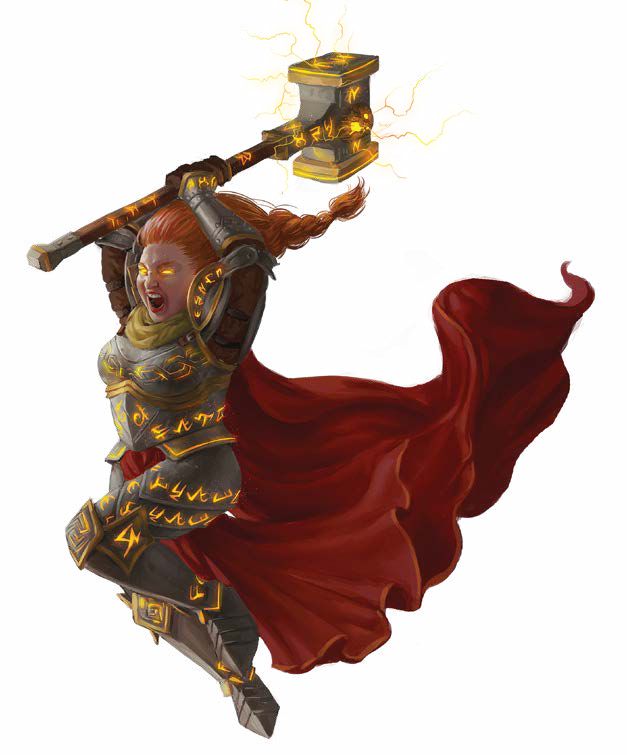
That flexibility seems to be where the final class is headed. The playtest version had some very explosive damage potential, and Josh indicated that has been toned down. Runesmiths should not be deleting bosses on turn two. Instead, the class is leaning more into support, with the Magus occupying the magical damage warrior niche and the Runesmith becoming more of a magical support warrior.
I like that distinction. It makes the Runesmith feel less like “another gish” and more like something Pathfinder has not had in quite this form. A Runesmith can be martial, tactical, magical, and supportive without needing to be the biggest damage number in the room. They’re certainly versatile, reminding me of the Thaumaturge.
There were some especially interesting details around shields and objects. Some runes can go on objects, which immediately makes my GM brain light up. Runes on doors. Runes on siege engines. Runes on holy symbols. Runes on bridges. Runes on the cursed bell in the haunted tower that everyone agrees not to touch right before someone absolutely touches it.
Josh also expressed support for homebrewing runes at your own table, which I appreciated. It’s the past he came from before joining Paizo. Pathfinder has a robust rules engine, but runes are one of those concepts that practically beg to become setting-specific. A dwarven Sky Citadel should not necessarily use runes the same way a Nexian academy does. A Sarkorian god-caller, a Shoanti storyteller, and a Tian magical artisan might all understand the metaphysics differently. That’s the RP I want to see even if it’s with one PC and some NPCs.
Runesinging also got a mention. It was popular in the playtest, and Josh indicated it has been expanded so it can be reliable if you invest in it! That is great news for ranged Runesmiths or characters whose hands are busy with weapons and shields.
The high-level rune Josh teased also sounds fantastic: a large protective effect against magical effects, boosting defenses and granting resistance, then offering an invocation that can heal and improve movement. The example of using it against something like a dragon’s breath weapon, then invoking it to help the party recover and get out of danger, is exactly the kind of cinematic support moment that makes a class feel heroic without simply asking, “How much damage did I do?”
Archetypes: Magic for More Than Spellcasters
One of the things that makes Impossible Magic sound especially useful is that it is not only for the four classes on the cover. Josh talked about archetypes and options that bring magic to characters in different ways, including characters who may not be traditional spellcasters.
That is important because magic in Pathfinder is a story element well beyond a class feature for many. It is part of the world. A fighter who has been marked by Nexian spellcraft, a rogue who learned one impossible trick from a cursed grimoire, a champion carrying divine tattoos, or an investigator who learned to interrogate enchantments should all have ways to feel touched by the impossible.
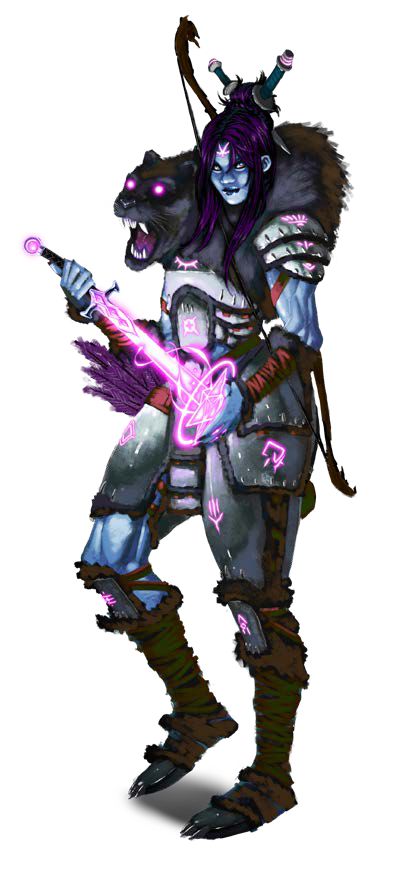
Some Secrets of Magic archetype material has apparently been remastered, but Josh emphasized that the larger focus is new material. That is the exciting part. Remastering old favorites is useful, but new archetypes are where a book like this gets to surprise us.
There was also discussion of Necromancer and Runesmith dedications. These should allow characters to access thralls or runes from level 1, though not as strongly as the full classes. That seems right. A dedication should let you taste the class fantasy without replacing the character who fully committed to it.
Spells: Over 240 Reasons to Invest In!
Paizo has described Impossible Magic as containing over 240 spells, and Josh clarified during the conversation that this number does not include every magical option in the book. Once focus spells and similar options are considered, the total amount of magic gets even bigger! They’ve got a lot to live up to after how amazing Secrets of Magic was. I’m pretty enthused!
That matters because spells are one of the most replayable pieces of Pathfinder design. A new class is exciting, but a new spell can affect dozens of classes, archetypes, monsters, NPCs, and stories. A good spell changes how players imagine solutions.
One spell Josh teased was Speak with Magic, a 3rd-rank spell that lets you communicate with a magic item, enchantment, or ritual. I love that. It feels like one of those spells that could be a utility option, a lore tool, a mystery engine, and a source of absolute chaos depending on the table.
Imagine speaking with the protective wards around a noble’s vault. Imagine asking an old family sword what battles it remembers. Imagine interrogating a ritual circle after the cultists have fled. Imagine a city’s magical infrastructure having opinions. That is my favorite kind of spell design and I knew Josh would bring this with his theatre background. Think of that necromancer feat letting you split into four pieces! Though I love rolling damage, this changes what kinds of questions the party can ask and what they can accomplish.
Josh also sounded excited about more high-rank spells. That is a great point. Pathfinder does a strong job keeping lower-rank spells useful, especially with heightening, but high-level spellcasters deserve new toys that feel like they belong in legendary stories. If Impossible Magic gives those characters more options that feel worthy of late-campaign play, that alone is a major reason to invest.
Impossible Spells: Magic That Scars the Soul
Then there are the impossible spells! You know I was going to ask heavily about them.
Josh said it’s important to note these aren’t “high level” or “epic” or even just mythic spells. They exist at all levels and aren’t just 10th-rank. The idea, as described, is magic pushed to a mortal breaking point. Impossible spells are powerful enough to scar the soul, and they sound like they are intended to carry story weight as much as mechanical weight. You forget how to cast it and perhaps even that you cast it! Josh described them as the momentous occasion like finding a necessary magic item to foil a villain.
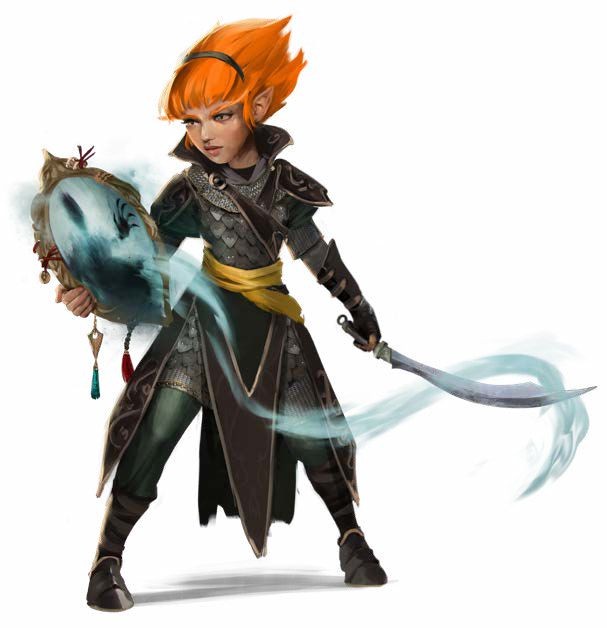
That is the right way to do something called “impossible magic.” If a player casts one, it should feel like the campaign noticed. If a villain uses one, it should change the stakes. If an impossible spell is hidden in a ruined Nexian vault or sealed under Gebbite law, it should feel like something people have killed to protect, bury, or erase.
Josh further compared them to artifacts in terms of narrative importance, which is exactly the framing I want. An impossible spell should be more than another line on the spell list. It should be a quest. It should be a temptation. It should be the answer to a question the party wishes they did not have to ask. I think GMs will love playing with these.
How do you stop an army? How do you restore a city? How do you kill something that cannot die? How do you undo one mistake by making another?
Do the impossible!
The Impossible Lands: Nex, Geb, and Magical Ambition
While Josh made clear Impossible Magic is not purely the Impossible Lands, it’s hard to avoid that entirely as this isn’t just a book borrowing a title. The magic seems rooted in the region’s themes: ambition, contradiction, war, immortality, invention, cruelty, beauty, and consequences.
Nex and Geb loom large here, of course. The search for Nex is going to be part of the book’s fiction and framing. That alone is huge. Nex is one of those names that has shaped Golarion for years without always being on stage. The possibility of finding him, or even learning more about what finding him would mean, is the sort of metaplot spark that makes lore fans sit up straighter.
The book also includes four new arcane schools taught in Nex. One revealed example is the School of Nexian Spaces, focused on demiplanes, immortality, and creating worlds shaped by desire. That is such a Nexian sentence. Of course a school of magic would look at reality and say, “What if I built my own and made it better?” Isn’t that part of what Nex did…
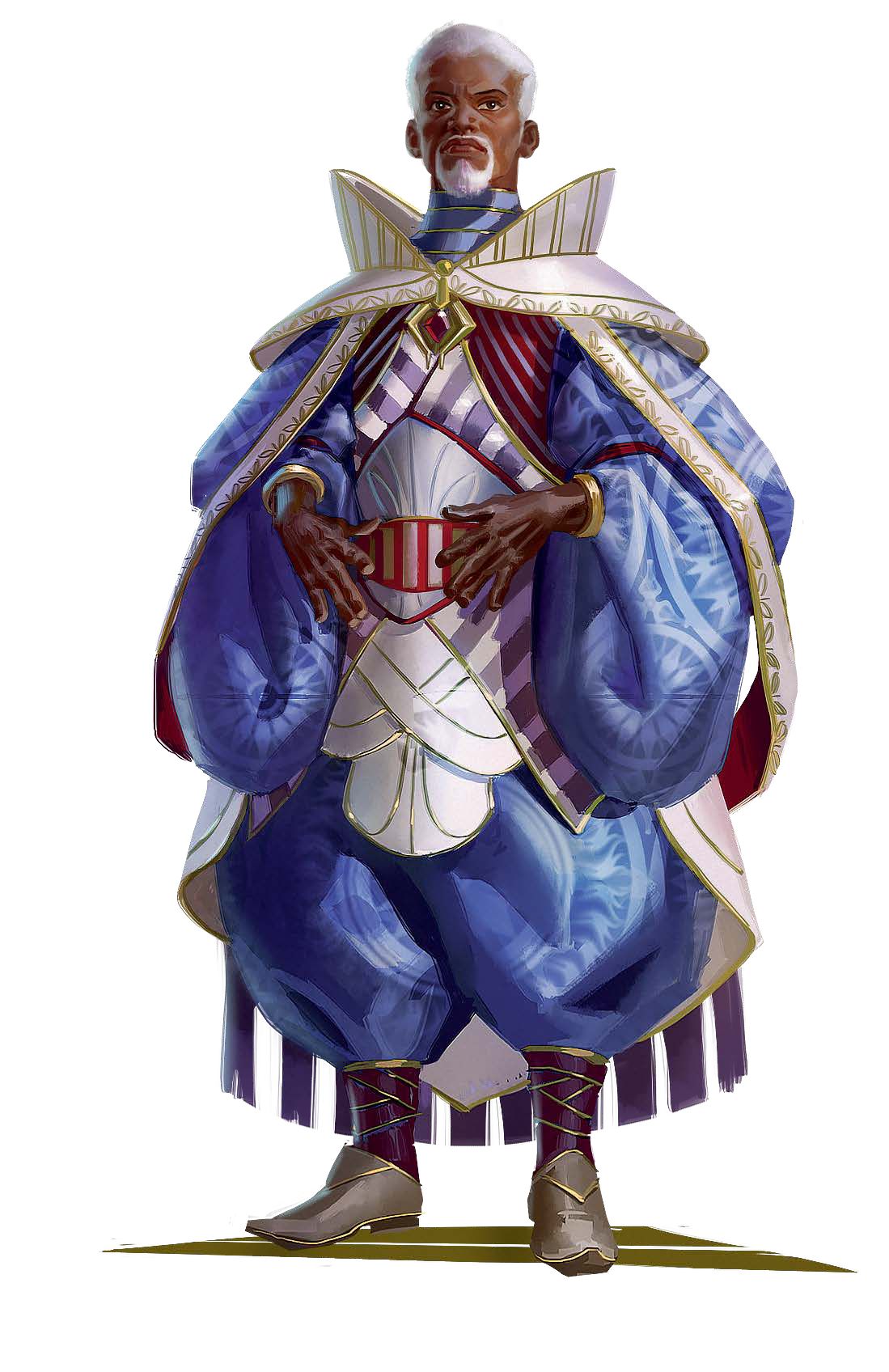
That is why the Impossible Lands are such fertile ground for this book. Magic there is intrinsic to the day to day. It is architecture and development of civil areas. It’s how the government functions and sometimes pushes to war crime. National identities in the Impossible Lands are defined by magic, and certainly that drives the social hierarchy and survival of the peoples. More so, we see characters, NPCs and PCs alike, able to find further personal expression even art through magic. The region already asks what happens when magic wins too often, goes too far, and then becomes normal life for everyone who has to live in the aftermath.
For players and GMs using the Impossible Lands, this book sounds invaluable. For everyone else, I suspect it will still be easy to transplant the ideas. Any campaign can use an impossible spell. Any wizard school can have Nexian rivals. Any villain can want a rune no one should invoke. Any city can have one magical law that exists because someone did something unforgivable centuries ago. And truly any campaign can turn these elements toward their own, even if they aren’t playing in Golarion.
Martials, Magic Items, and Everyone Else
One of the best things Josh made clear is that Impossible Magic is not only for casters. Martials have things to look forward to as well, including magical items such as tattoos. Grimoires and staves are also being expanded, which will obviously excite spellcasters, but I am glad the book is thinking about characters who do not prepare spells every morning. It’s inevitable to need that variance since parties are mixed by design. A book about magic should not make the fighter or barbarian sit in the corner until the wizard is done shopping, at least not always. And granted while archetypes help, especially if you do Free Archetype, we gotta consider the other fun like magic items.
Josh brought up tattoos as seeing expansion. Magical tattoos are especially exciting because they can feel personal in a way a wand or scroll might not. They are body art, identity, history, power, and possibly a terrible decision made during downtime. That is a perfect combination for RP meets combat and social mechanics.
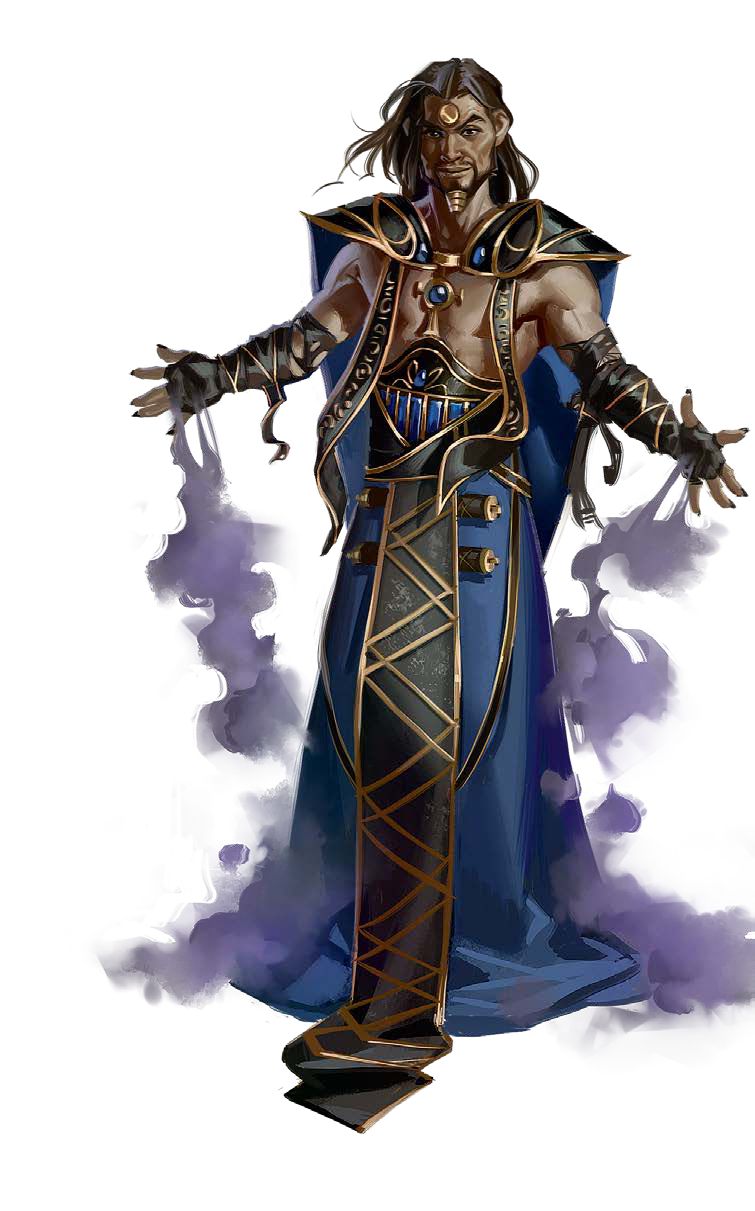
The broader promise of magic items that let even mundane characters experience magical power is also very Pathfinder. This is a game where you can be a practical sword-and-board warrior and still live in a world where your shield might hold an ancient rune, your armor might have a story, and your tattoos might flare when a dragon breathes death across the battlefield.
I wonder what happens if you cast talk to magic to a magic item made of an impossible spell… What does it sound like?
Tea, Tools, and Teases
A few of my favorite details from the conversation were not necessarily the biggest rules reveals. First, Josh apparently remains extremely ready to talk about tea. I respect this. Every designer should be allowed one delightful non-game passion that becomes part of their public brand, and tea is a strong choice. Honestly, if the next magical item is not a self-heating teapot from Nex, what are we even doing?
Second, I appreciated how often the answers seemed to come back to class identity. Necromancer equals Thralls. Runesmith equals Runes. Magus is the magical damage warrior. Runesmith is more of a magical support of versatility. Summoner is getting more room for eidolons. These are mechanical notes sure, but they are statements of purpose.
Third, I love that the playtest seems to have done what a playtest should do. The designers tested bold systems. Players pushed on them. Feedback came in. Now the final versions sound like they are being shaped around what made those classes exciting while addressing what made them awkward. That is the dream.
Do the Impossible
I was already excited in Impossible Magic. After talking with Josh Birdsong, I am thrilled. And I’m very thankful to have heard from both fans and friends alike how much they enjoyed this conversation, even from Josh himself. In a time where I hope to bring stability to my team at work and joy to my friends at game, I truly appreciate these sentiments. I teared up just typing that.
Of course part of my excitement is because this book sounds huge. Four classes. Over 240 spells. Impossible spells. Archetypes. Magic items. Arcane schools. Nex. Geb. Thralls. Runes. Tattoos. Soul-scarring magic. A spell that lets you talk to magic itself. That is a lot to chew on.
And yes, also because I am currently playing a Necromancer in an Impossible Lands campaign, and everything Josh teased made me more excited for that character’s future. Thrall movement options? Expanded subclasses? Blood Necromancer? More clarity around what necromancy means outside Geb? Yes, please. I’m likely to stay a Spirit Monger Necromancer but we’ll see… I am ready to hype this class for months.
And I will be hyping it. As we get closer to release, I am sure there will be more to discuss, more to speculate on, and eventually a whole lot of pages to read. I will absolutely be getting Josh back for more conversations, because if this panel proved anything, it is that Impossible Magic is going to give us a lot to talk about. Until then, I will be over here commanding ghostly thralls in the Impossible Lands, waiting as patiently as possible.
Which is to say: not patiently at all.
As always, please remember to support one another and of course, much love to all!
Investing In:
I wasn’t quite sure what to name my article series when I first started but the idea of showcasing or discussing things that make me excited, that I find new and interesting, or maybe I’m otherwise passionate about seemed to fit with the idea of Investing In something like the Pathfinder 2E mechanic. To use some magic items you have to give that little bit of yourself, which helps make these things even better. I like the metaphor of the community growing and being strengthened in the same way!
I also want to hear what you’re Investing In! Leave me a comment below about what games, modules, systems, products, people, live streams, etc you enjoy! You can also hit me up on social media as silentinfinity. I want to hear what excites you and what you’re passionate about. There’s so much wonderful content, people, groups (I could go on) in this community of ours that the more we invest in and share, the better it becomes!
Sources
Banner – Impossible Magic feature snapshot, Paizo Con 2026
- Impossible Magic book product page art, Paizo
- Iconic Magus, Paizo, art by Wayne Reynolds
- Iconic Summoner, Paizo, art by Wayne Reynolds
- Bone Shaper Necromancer, Impossible Magic Playtest, Paizo
- Ranshu, Rune of Thunder used by Runesmith, Impossible Magic Playtest, Paizo
- Runesmith, Impossible Magic Playtest, Paizo
- Spirit Monger Necromancer, Impossible Magic Playtest, Paizo
- Nex, Introduction, Pathfinder Lost Omens: Impossible Lands, Paizo
- Geb, Introduction, Pathfinder Lost Omens: Impossible Lands, Paizo