
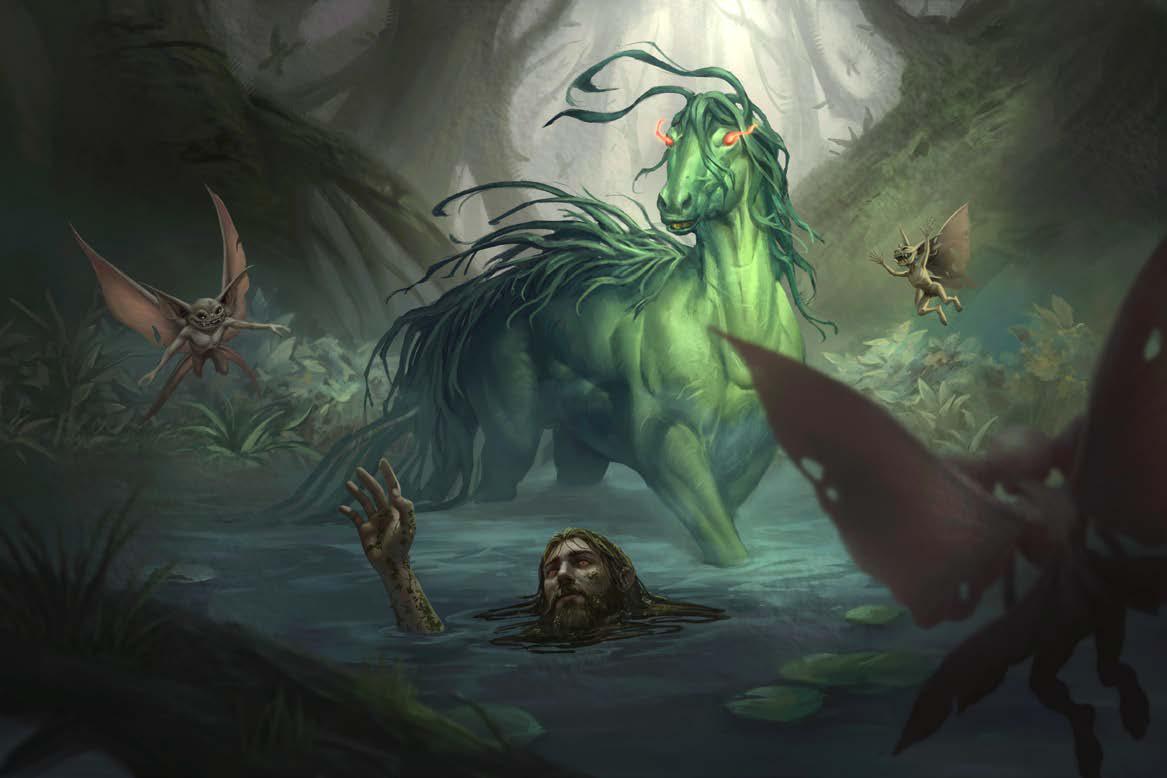
“There’s much more to the world than what can be seen. But most creatures understand only what’s in front of them, living their lives with what appears at the surface and ignoring anything that takes more effort to find. They’re unable to see the fey, those beings who lurk just beyond the veil. Their kind are many and varied: helpful and harmful, tricksters and curmudgeons, foreign entities but familiar visitors.”1
I’m well beyond looking past that veil, I’m investing in it! I love fey, though they may not love my puns. Maybe some would. Frankly, there’s always an element of the fey and the first world I weave into my games, but they’re certainly a big part of the Kingmaker game I’m running! Their generosity, their terrible bargains, and their very particular ideas about proper behavior give us so much to play with. Pathfinder Feybound makes those possibilities even more exciting by giving us rules for becoming these strange neighbors, learning their magic, and getting tangled up in their lives.
Actually before we sojourn to the First World, check out the 13 Omens Kickstarter! “There are things in this world that should not be, dark places best left unexplored, and secrets that should remain buried. 13 Omens is a story-focused horror roleplaying game that reveals these mysteries and asks you to experience the consequences faced by those who step into the darkness.“2 It’s already funded, a way to bring a bit of horror to your roleplaying with some quick building suspense for short games or long!
For the tricksy joy of Feybound we have design lead Logan Bonner, designers Joshua Birdsong, Jason Keeley, and Costin Wilken-Schelling, and additional developer Eleanor Ferron to thank alongside the many authors, artists, editors, and others! Feybound is a mighty tome with colorful narrative bits, useful adventure hooks, and Pathfinder crunchy goodness. I do highly recommend investing some serious time in reading the stories woven into this book, including the adventure elements. The various authors really put some stellar work in. Of course there’s plenty of lore I want to spend more time with too, but let’s start with what we can put on our character sheets. I’m jumping around a little in this article as the book itself tells more of a story centered around the Yestereve Revels then who’s attending, who is Playing the Part as it were. Let’s start there!
Ancestries
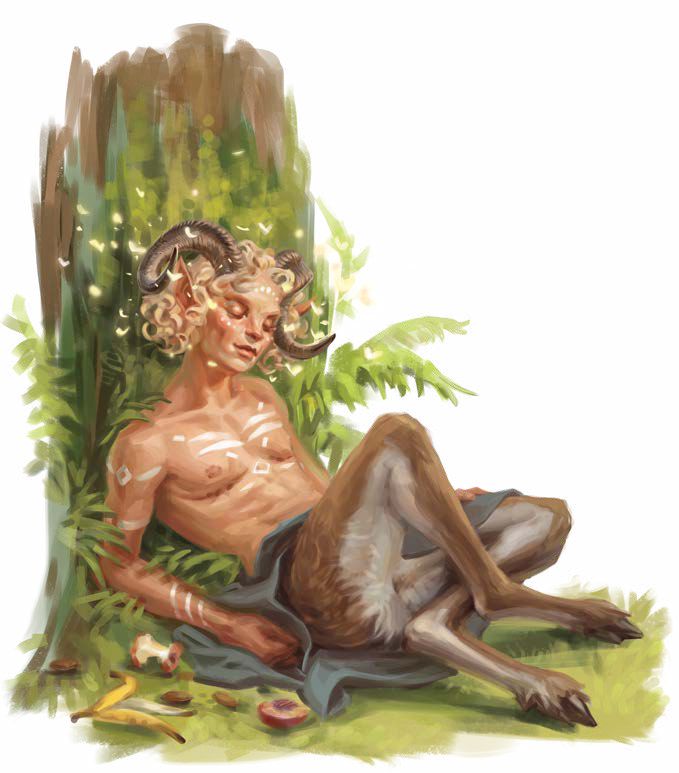
Faun
Fauns evoke thoughts of music, movement, and someone who considers introducing the party to a talking stream as a perfectly reasonable use of the afternoon. They’re uncommon fey, Medium, get 8 HP, 30′ Speed, and lowlight vision. Their listed boosts are Dexterity, Charisma, a free choice, and a Wisdom flaw. There’s an obvious invitation to play a bard here, but I also appreciate their role as neighbors and mediators. A faun might consider every creature in a particular valley part of the same community, even when those creatures strongly disagree.
Seven heritages give that personality different ways to develop. Dreaming fauns recover extra HP when resting and resist sleep and dream effects, while Echoing fauns can extend the range of their next auditory action by 30′ once per day. Gazing fauns gain bonuses to Sense Motive and disbelieve visual illusions, plus a stronger Avert Gaze. Handcrafting fauns work better with an audience, gaining a Crafting bonus and protection against critical failure when someone watches them Craft or Repair. Horned fauns have a 1d8 piercing horns attack, Prancing fauns improve their jumping, and Unbridled fauns ignore the first 5′ of difficult terrain they move through each round. That last one is a small benefit I can see appreciating repeatedly while adventuring through the Stolen Lands for example.
The feats keep finding practical uses for all that enthusiasm. Invigorating Melody (feat 1) costs one action and, once per ten minutes, gives you and allies in a 60′ emanation a +5′ status bonus to Speeds until the end of your next turn. Song of Abundance (feat 1) lets you Subsist in natural environments using Performance without depleting the area’s resources. Extend Self into the World (feat 5) takes ten minutes of communion to sense moving creatures within 500′, including their approximate direction, number, and size, though crowds complicate matters. Then Neighborly Graces (feat 17) provides speak with animals at will and a daily choice of speak with plants, speak with stones, or speak with water. Eventually, introducing your friends to the entire landscape becomes something you can actually do!
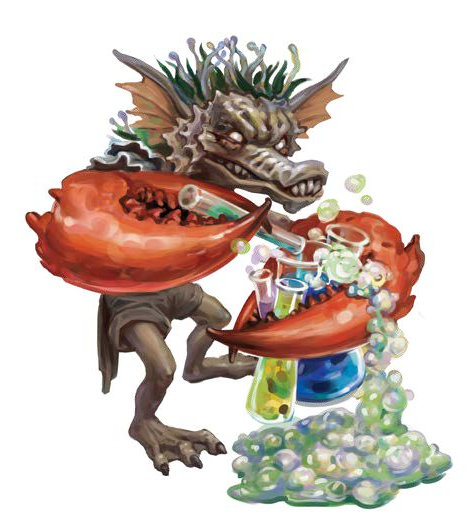
Gremlin
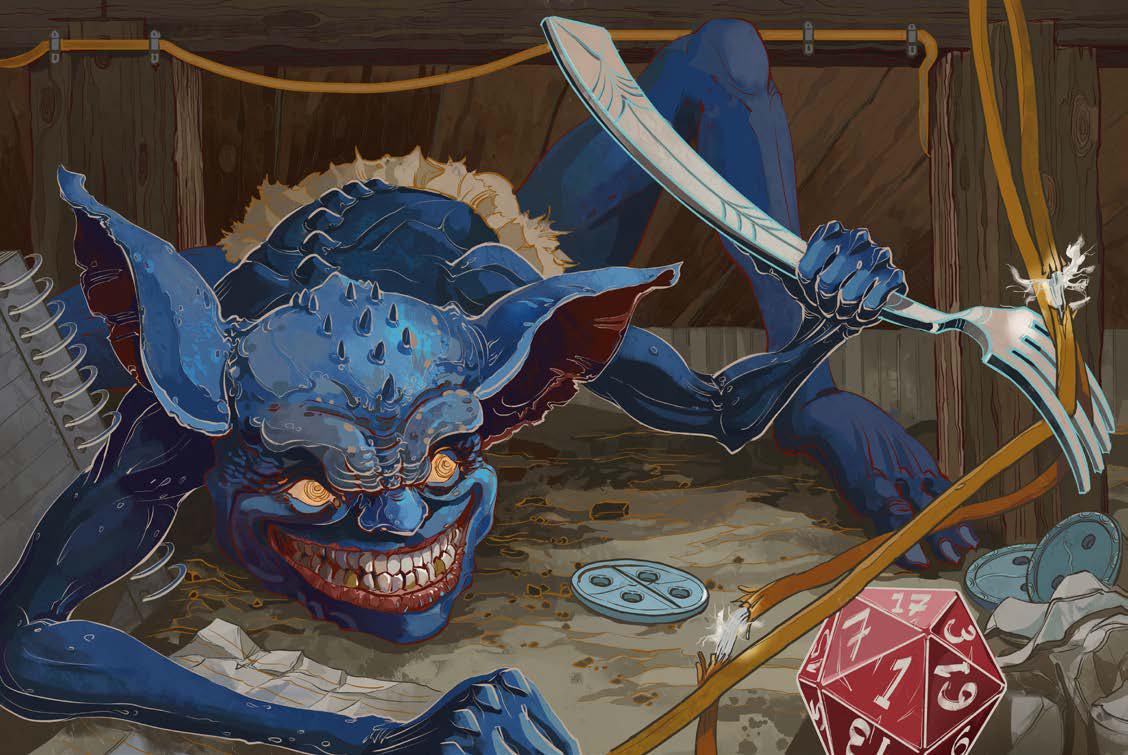
Gremlins are the ancestry for someone who sees an impressive piece of machinery and immediately wonders which part would be funniest to remove. They’re a new rare fey option, Tiny, with 6 HP. They’re slower at 20′ Speed but they get darkvision. Their listed boosts are Dexterity, Intelligence, free, and a Wisdom flaw. I like the possibilities for an investigator, alchemist, or inventor who understands how things work because they’ve spent so much time discovering how things stop working. Their adventures can also give that destructive curiosity a purpose and a community worth protecting!
The six heritages bring recognizable varieties into character creation. Fuaths breathe air and water and have agile, finesse claws; Hanivers also breathe both and begin with a 10′ swim Speed. Grimples can react when touched to infest the offending creature with distracting lice, potentially making it stupefied. Charming! Jinkins gain Crafting training and Snare Crafting with extra starting formulas. Mitflits are Small and receive 8 HP instead of 6. Then there’s the bane of all good adventurers: Pugwampis learn Kholo and can inflict Unluck though only once per day. That ability affects creatures in a 10′ emanation, with exceptions for animals, gremlins, and kholos, so your other friends should consider where they’re standing before you share your bad mood. The group I played in for Legacy of Fire learned all too well the bane that are pugwampis, but that same group is playing in the Impossible Lands and just met one we’d protect with our lives. So does Pathfinder teach us things about ourselves.
Scampering Sabotage (feat 1) combines a retreat from an adjacent enemy with leaving a nasty surprise in a square you vacated. The first creature entering it risks piercing damage that scales with your level. Scurry! (feat 5) lets a Tiny gremlin move as a free action when rolling initiative, provided they can finish with cover from an enemy they can see. I also like Snare Genius (feat 5) for jinkins with expert Crafting: quicker deployment and a daily supply of free snares make that heritage feel like a real specialty. Destroy Resistance (feat 13) lets you follow a successful Strike by reducing all of that creature’s resistances by 5 for a minute, once per day. Now the whole party has a reason to appreciate your talent for breaking things!
Nymph
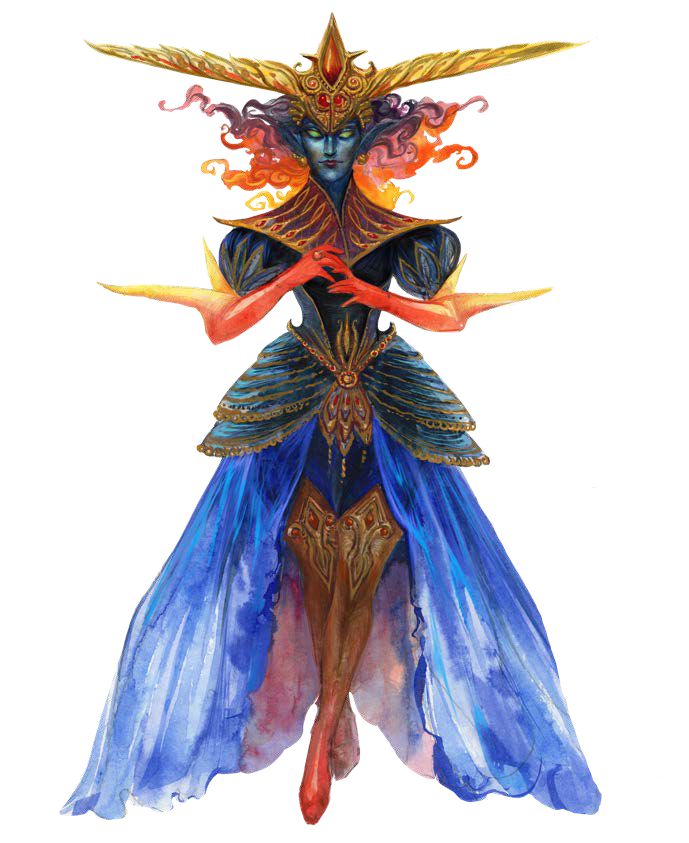
Playable nymphs are especially exciting for a campaign where relationships with the land matter. They’re uncommon, Medium, and have 8 HP, a 25′ Speed, low-light vision and are of course fey. Their listed boosts are Dexterity, Charisma, and one free boost. As you might expect they have a Strength flaw. Their Bonded Item is the crucial detail: to travel comfortably, they carry a magically enhanced piece of their home terrain. Losing or destroying it makes them drained 1 until they complete a 24 hour ritual to create a replacement. Your connection to home travels with you, and suddenly that little stone or carefully tended branch becomes a very meaningful possession.
Six heritages establish your natural affinity. Asterids belong to the starry sky and emit a gentle glow, while Dryads gain the plant and wood traits and a bonus against poisons and diseases. Hesperids embody sunsets and can temporarily store a nonmagical object of up to 5 Bulk in a golden apple of light. Lampads gain the earth trait and can turn a stone into a simple temporary object within the ability’s limits. Naiads breathe air and water and recover extra HP when resting submerged in suitable fresh water; Oceanids breathe both and start with a 15′ swim Speed. Even a nymph choosing a versatile heritage selects one of these affinities and its additional traits. I’m particularly taken with an asterid whose bonded item is a telescope, carrying their home through the very instrument they use to see it.
Bonded Companion (feat 1) turns your bonded item into a familiar suited to your affinity, while Mortal Shape (feat 1) offers a specific Small or Medium humanoid form you can maintain indefinitely. Otherworldly Beauty (feat 1) is such a quintessential sounding Nymph feat. It gives a bonus to Make an Impression and allows an immediate Request after successfully improving someone’s attitude, even if they’re still indifferent. Then Attune Bond (feat 9) lets a character with spell slots spend ten minutes with their bonded object to recover an expended slot of 3rd rank or lower, once per day; prepared casters can prepare a new spell in it. A penultimate choice, Nature’s Bounty (feat 17) can permanently reshape suitable open land into terrain matching your affinity through downtime. I love that progression from carrying a piece of home to creating somewhere new for nature to flourish.
Sprite
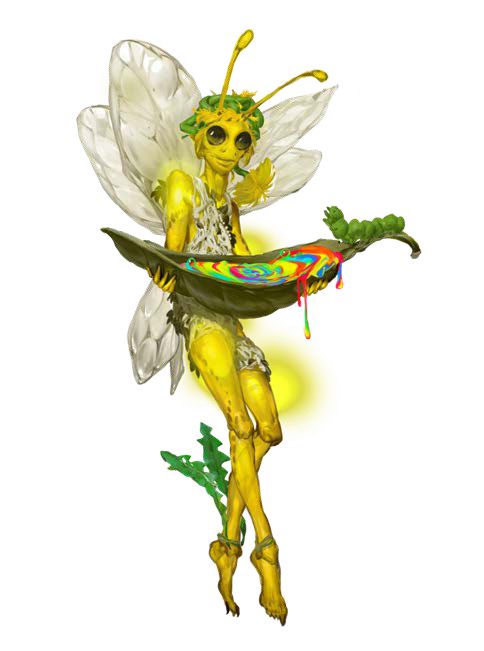
Sprites return with a Remaster presentation and plenty of choices for our smallest adventurers. They’re rare fey as well and quite Tiny with have 6 HP, a 20′ Speed, low-light vision. Their listed boosts are Dexterity, Intelligence, and one free boost. Again, not a shocker that they have a Strength flaw. Magical Strikes makes all their weapon and unarmed Strikes magical. Remember that Tiny characters normally have 0′ melee reach, so they often need to enter another creature’s space to attack. There’s more to playing someone this small than a cute portrait, though I expect there will be many excellent portraits. Oh and for that matter there’s an early Special Rules section to highlight how to play Tiny PCs, those Riding or Flying, etc.
There are nine heritages! You could have a whole pack of pixies! (Shout out to Dimension 20’s Court of Fey & Flowers!) Draxies have draconic features and touch telepathy, Fireflies produce adjustable magical light, and Kaztilis can use a cutting Performance based ability called Witticism to make a foe stupefied. Cricketlike Kirakors improve their jumping and create illusory sounds with figment. Melixies communicate with arthropods, while Murxies can follow a successful Demoralize with confusion through Hilarious Insult. Batlike Nykteras excel at locating creatures by hearing, and pixies are Small instead of Tiny. Finally, Veredrams have thorny vine attacks that can carry injury poison. That is a lovely range of personalities before you’ve even chosen a class, from an amiable beekeeper to someone whose idea of a joke is distinctly less friendly.
The flight progression deserves attention: Evanescent Wings (feat 1) provides a brief Fly action using a 15′ fly Speed, but you fall if you don’t end on solid ground. Energize Wings (feat 5) increases that to 25′, and Hero’s Wings at 9th grants a permanent 25′ fly Speed, along with social benefits among sprites. Corgi Mount (feat 1) remains an adorable early option, although a Small pixie can’t ride the Small familiar. For mischief, Prompt Pratfall (feat 5) combines movement with a Trip that can use Performance and affect creatures up to three sizes larger than you. Ultimate Prank (feat 17) gives you an hourly reaction to swap with another creature within 30′ when an enemy targets you with a Strike, redirecting the attack if the switch succeeds. Unwilling replacements get a Will save, which seems only fair when you’re volunteering someone else to be hit!
Fadrim
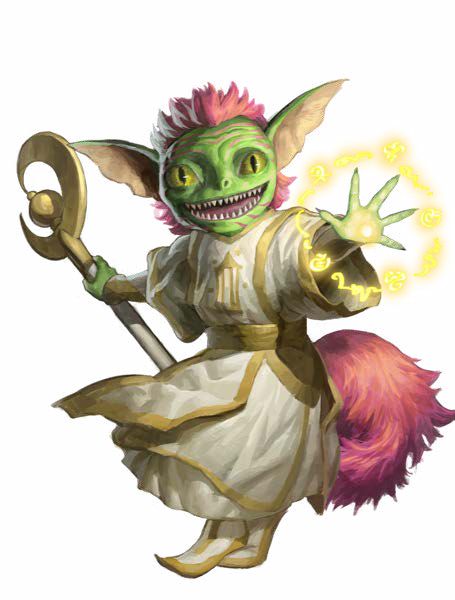
The Fadrim versatile heritage brings the First World into an existing ancestry, which I think many have been looking for. Perhaps you were born near a thin planar boundary, inherited a fey bargain, or came back from somewhere strange with features your family couldn’t quite explain! All classic fey stories. You gain the fadrim trait but aren’t fey, which is important for how abilities impact you. You also gain low-light vision or darkvision if you already had low-light vision, and light as an innate primal cantrip. You may not be fey but you do get weakness to cold iron equal to half your level. That vulnerability is part of the package! The distinction is quite deliberate in how other fey regard you.
Its three lineage feats are Auf Fadrim, Trickster Fadrim, and Warrior Fadrim. These are choices within the versatile heritage, with the usual restriction to one lineage feat taken at 1st level. Auf reflects being taken by fey and returned changed, granting a bonus to certain Impersonate checks and replacing light with telekinetic hand. Trickster lets you Request using Deception and replaces the cantrip with figment. Warrior supplies familiarity with a selection of bows, rapiers, and shortswords, and you get to replace light with shield. I appreciate that you can make your connection to the First World unsettling or mischievous, or even martial without committing your entire class to it.
We get some feat options though I can’t help but feel they had to cut it down to just the one page. First World Armaments (feat 1) offers claws, hooves, horns, or jaws, while Knowledge of the Realm Before supplies Nature, Stealth, and Additional Lore for Fey Lore or First World Lore. Fey Snare (feat 5) is a repeatable two action ability that targets a creature within 30′ with a Reflex save, potentially slowing its movement, making it off-guard, or immobilizing it until the start of your next turn. Step Through the Realm Before (feat 13) provides a single action teleport of up to 40′ once per hour, though you can’t bring another creature with you. At high levels, Answer the First World’s Call (feat 17) grants interplanar teleport twice a week between the First World and Universe without a separate planar key. Your strange connection can eventually become the whole party’s route to adventure.
Backgrounds Worth a Bargain
Don’t you just love a bargain? The fey sure do and with seven new backgrounds, you’ll have plenty of reasons to care about these places before the campaign starts. Borderborn grants Occultism and First World Lore, plus a daily ability to sense the direction of the nearest First World gate within a mile. The Godchild gives you a fairy godparent and a daily fortune reaction to roll a saving throw twice and take the better result. The Hunted supplies Stealth, Survival, and a choice of Terrain Expertise or Terrain Stalker to someone who survived the Wild Hunt. There’s a great difference between studying a terrifying legend and knowing exactly what its hunting horns sound like.
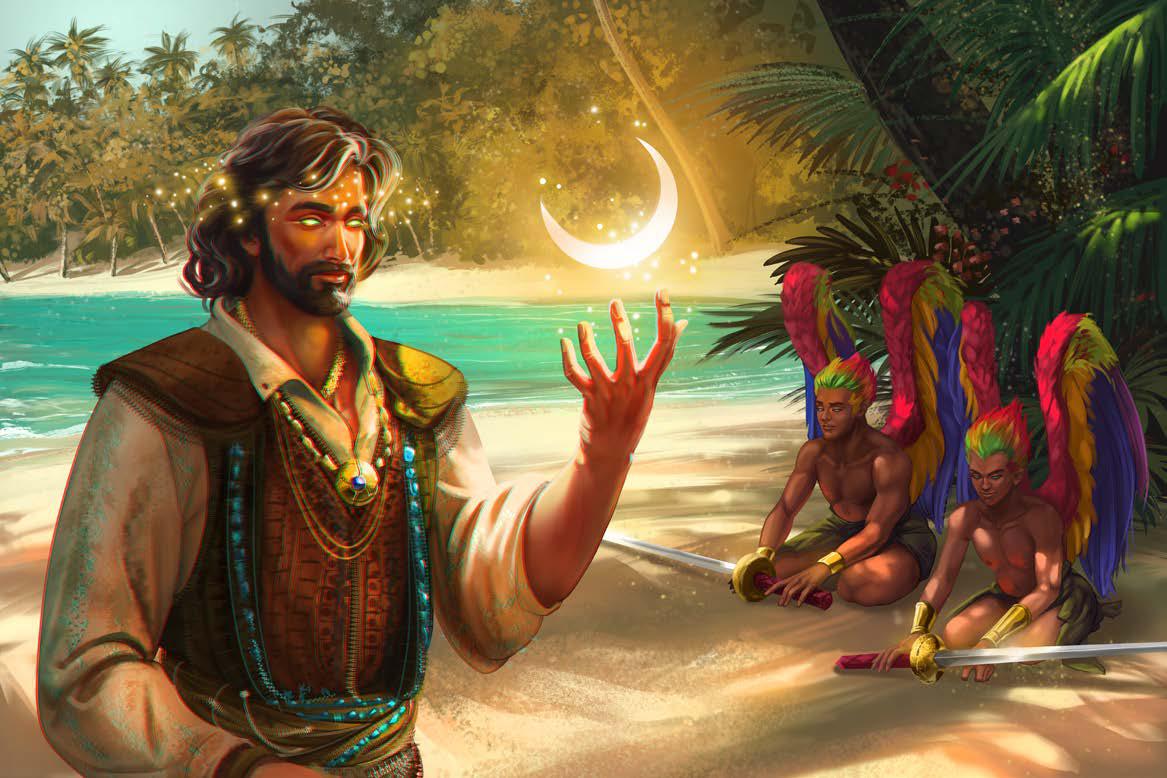
Green-Touched can coax an adjacent plant into a brief cloud of petals and spores that conceals you, while Star-Browed has a daily casting of revealing light and a powerful patron who may eventually want something. Lost Performer brings Performance, Fey Lore, and Fascinating Performance to someone separated from a troupe that was once their family. Then The Returned offers First World Lore, another trained skill, and a bonus to Perception checks to see through illusions for someone who has come home to find the world changed. The first five options I’ve mentioned are rare; Lost Performer and The Returned are uncommon. These are excellent conversations to have with your GM about what your character has survived and who might still be looking for them.
An Invitation to the Revels
Much of the book unfolds through the Yestereve Revels, a gathering that gives its many kinds of fey somewhere to meet and compete. Considering the fey there’s plenty of bargains to be had as they make questionable offers. Seven circles group their interests without pretending every fey shares a personality. Before we get into their specialties, we learn a bit more about the fey in general like what they want and how they behave generally. A note includes how if they die on the First World, they are reformed but this isn’t so out in the Universe and thus Pharasma will see them at her court should they die on Golarion. Of course you will meet fey in the first world, but there’s a few location call outs where you might find them on Golarion. I’ll leave those for GMs to reveal but the Lands of the Linnorm Kings are certainly mentioned first, which I think we’ll see more of soon. We also get some roleplay or story consideration on bargains, pranks and the scheming desires of the fey. I learned early the fey have alien mindsets of right/wrong, and you should play so accordingly!
Some general mechanic offerings include new specific familiars to consider: a House Spirit for example requires three familiar abilities, a Sprite four, and a Tooth Fairy five. The house spirit’s Helping Hand prepares an Aid for your Crafting, Medicine, or Society check, automatically succeeding or critically succeeding if you’re a master in that skill. That is a very appealing assistant for someone who spends their adventuring breaks treating wounds or repairing equipment. If like me you’re eager for Ocarina of Time, get that Sprite familiar! The Tooth Fairy meanwhile will help you impart some bleed on an enemy! Tooth Tug can cause persistent bleed damage and on a critical failure it extracts a tooth, bringing penalties to Charisma based skill checks and a flat check to cast most spells.
One specific item is listed as part of the dealing with the fey. Sure there are plenty of tools for dealing with the troublesome ones. Here however we get a lesser iron horseshoe, which gives an item bonus to Intimidation against them and adds fleeing for a round when you critically succeed at Demoralizing one. Apparently we can have both helpful household spirits and extremely aggressive dental work before the party even begins. And if you need to deal with a problematic fey, bring your cold iron horseshoe!
Dances and Promises
The Starlit Crown brings the celestial elegance, including the Stellar Dancer archetype. Its dedication requires Performance and either Nature or Fey Lore training, and has an access condition involving permission from the circle. You become an expert in Performance and learn a stance that can substitute Performance for Acrobatics to Escape or Tumble Through. Fits a concept I’ve had in mind actually. Success brings your dance to its zenith, briefly adding force damage to Strikes with agile or finesse weapons and unarmed attacks. Later feats make that rhythm more interesting: Dance of the Galactic Whirl combines a Performance based Feint with a Stride, while Figure of Dawn’s Respite can protect your next manipulate or concentrate action from reactions caused by those traits. A swashbuckler could find a very appreciative audience here.
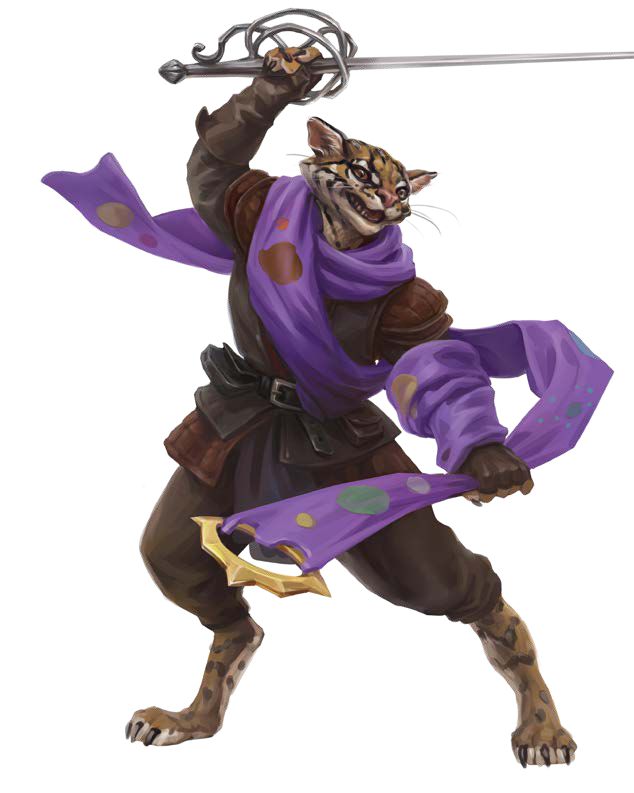
The Oaths and Boons section makes patronage something you can feel at the table. Oath of Delight turns a successful Performance check to Earn Income into a critical success, while Oath of the Wilds lets you ignore difficult terrain caused by plants and fungi. Oath of Hospitality provides a weekly create food for feeding your guests, and Oath of Fealty can earn a single extraordinary intervention that restores your resources and ends negative effects, subject to exceptions for exceptionally powerful sources. Each comes with edicts, anathema, and a corresponding curse if you lose your patron’s favor. For a Kingmaker campaign, that is fertile material: a ruler might sincerely want to protect the wilderness, then discover how complicated that oath becomes when their citizens need a new road.
Companions and Crossings
The Peers of the Bloom circle offer advanced companions including the Cu Sith, Giant Dragonfly, and the Unicorn. Their normal minimum character levels are 10th, 14th, and 10th respectively so they aren’t low level options for sure. They still use the animal companion rules despite their unusual capabilities. A cu sith’s support can make an enemy stupefied when you hit and damage it within the companion’s reach. A unicorn’s support surrounds you with light in which you and your Strikes gain the holy trait and your Strikes can benefit from ghost touch. Its advanced maneuver also heals and can let a prone recipient Stand. I’m very interested in companions that create opportunities for the party beyond another attack roll.
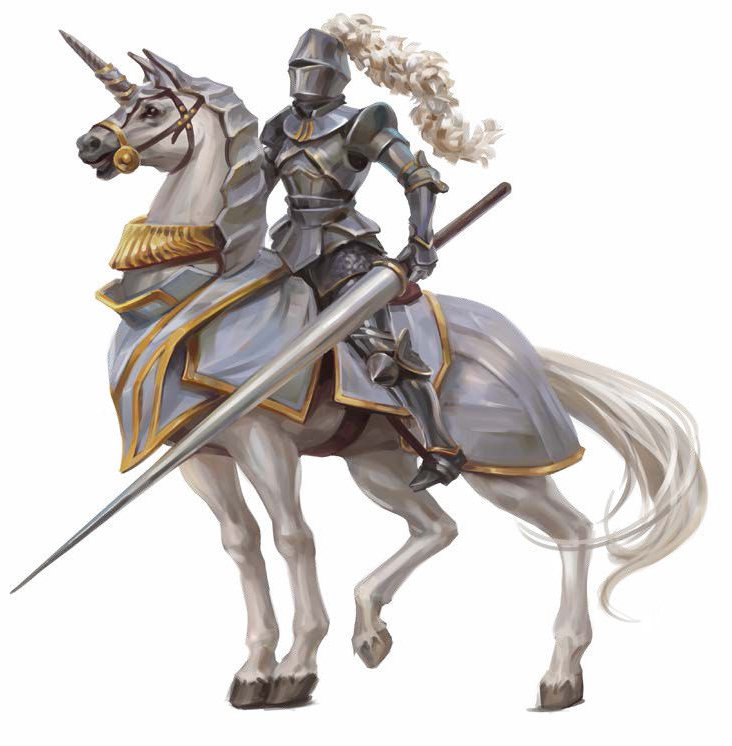
The Unicorn Rider dedication makes that friendship possible, explicitly bypassing the companion’s normal level requirement. It requires Diplomacy training, excludes aberrations, undead, and unholy characters, and gives expert Diplomacy alongside your young unicorn. Protecting nature becomes an obligation, with serious violations potentially costing you the unicorn’s company until you atone. Impressive Unicorn (feat 4) matures the companion and grants a limited independent action, while Unicorn Magic (feat 10) provides daily 5th rank castings of heal and nature’s pathway. The latter can carry both rider and unicorn. I appreciate that the relationship has responsibilities as well as a rather impressive travel benefit.
Travel also gets formal rules through Faerie Circle Hop, a 6th rank ritual that negotiates passage between circles on the same plane. It temporarily reveals the available destinations, so knowing where you want to go matters less than convincing the fey to cooperate. Create Faerie Circle (ritual 8) can establish a new crossing; a critical success gives particularly reliable access to the Evergrove, provided you keep its location and your accomplishment discreet. Failed negotiations can bring the Curse of the Interloper, damaging your reception among mortals and fey alike. A network of circles could transform a kingdom’s travel and diplomacy, but its keepers will certainly expect more consideration than a toll booth.
Joining the Hunt
The Talons True circle supplies a more dangerous apprenticeship through Wild Hunter, an archetype beginning at 8th level instead of 2nd. Training with or defeating a member of the Wild Hunt provides access, alongside the required expert proficiencies. The dedication gives Fey, darkvision, Hunting Lore, and a chosen hunting partner who shares your language and vision benefits within your 60′ wild link aura. Foeseeker Stance later lets ranged attacks ignore natural cover and concealment, sharing its benefits with that partner in the aura. Pitiless Pursuit can make a tracked quarry frightened, while Living Weapon creates a weapon of wood or crystal that changes shape, even into ranged forms. I like an archetype whose sinister reputation comes with such strong cooperative possibilities.
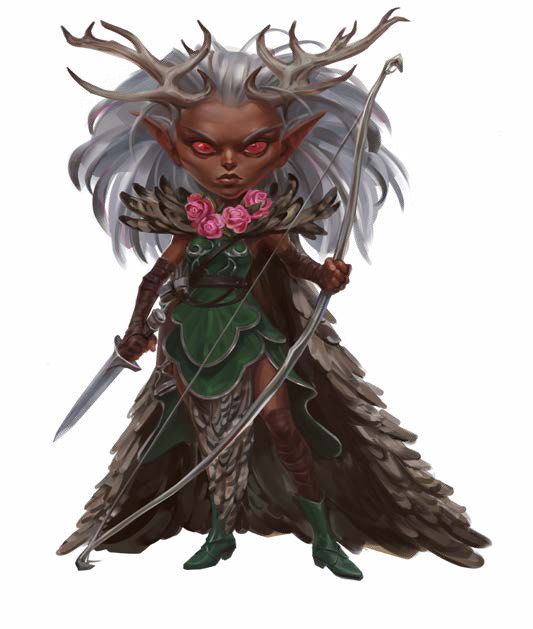
The equipment is equally expressive. A hunting horn bow can sound a daily rally that makes you and allies within five miles briefly quickened, with the extra action restricted to moving toward a selected enemy within 60′ of you. At the much grander end, Callooh Callay is a unique 21st level artifact longsword with a vorpal rune and a particular appetite for Tane and linnorms! Decapitating a creature with its vorpal activation also counteracts abilities that would normally trigger on that creature’s death, including a linnorm’s death curse. That is an exceptionally attractive detail for anyone contemplating a very dangerous royal qualification in the Lands of the Linnorm Kings!
Music and Mischief
The Pack of Knaves brings the new Trickster muse for bards, with biting words as its muse spell and Bamboozling Performance as its starting feat. The feat lets Performance handle Create a Diversion and Feint, while an acting Performance can replace Deception for Impersonate and Lie. It also softens the increased difficulty of certain repeated attempts. Misdirecting Composition (feat 4) lets you follow a composition spell with a Performance based Feint against a creature within 30′ once per hour, potentially making it off-guard to an ally’s melee attacks instead of yours. This is a bard who can turn an elaborate performance into a very practical opening for the person holding the sword.
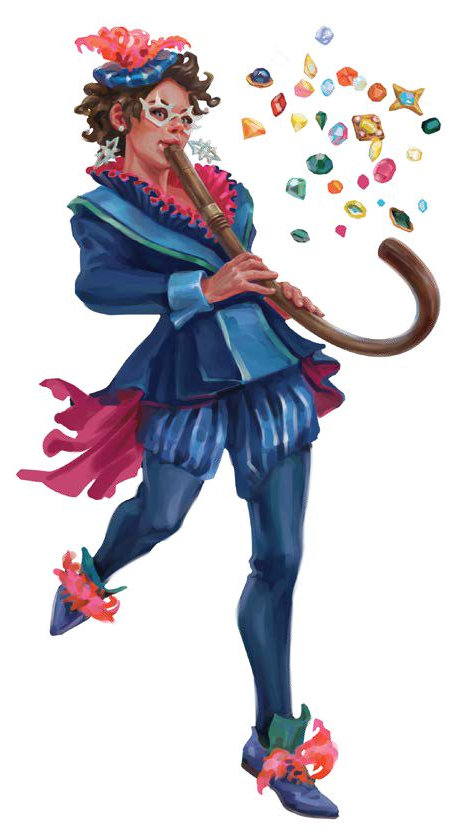
Theatrical Throwdown (feat 10) grants a focus spell that challenges a creature to respond with a performance of its own. It can spend its first action trying to meet your spell DC, or accept the consequences of failure, including mental damage and penalties to attacks and skill checks. Sustaining the spell can draw additional targets into the spectacle. Just a Flesh Wound (feat 10 also) provides a daily reaction using a Performance check to Lie when an enemy critically hits you with a Strike or you critically fail a basic save against its effect. Success reduces the damage to that of an ordinary hit or failed save; a critical success changes the degree of success itself. Apparently delivering the line convincingly enough really can help!
The associated spells are wonderfully irritating. Curse of Malicious Animation (rank 3) makes belongings resist being drawn or picked up, and failed saves can leave them scampering around the battlefield. Curse of Verse (rank 4) imposes a flat check on spellcasting and linguistic actions while making the victim surprisingly good at rhyming. For a subtler trick, Shell Game (rank 1) swaps two small unattended objects, provided nobody can directly observe either one. I also love the secretmonger’s mask (item 4), which stores information another wearer can retrieve. Meanwhile the pocket gala is a portable ballroom with food and drink, music, and obliging illusory dancers. I’m already considering what happens when someone carries the entire diplomatic reception into an otherwise inconvenient wilderness.
Mushrooms while Making a Fool of Yourself
The Hoddydoddies are less concerned with elegance, which becomes immediately clear from the menu. Magic mushrooms (item 4+) can change your size or temporarily improve particular social skills, though eating more than one in a day leaves you stupefied 3 until your next daily preparations. The size changing varieties explicitly don’t provide additional bonuses or penalties from the change. Are they legal in Golarion? I’m sure the fey would tell you the truth. Root in Place (rank 5) can turn someone into a tree, while the rare Curse of the Toad Prince (rank 6) can make a humanoid a harmless toad. Both carry incapacitation, so keep that in mind when imagining your solution to every boss fight. The toad curse lasting a year and a day on a critical failure is very appropriate fairy tale unpleasantness.
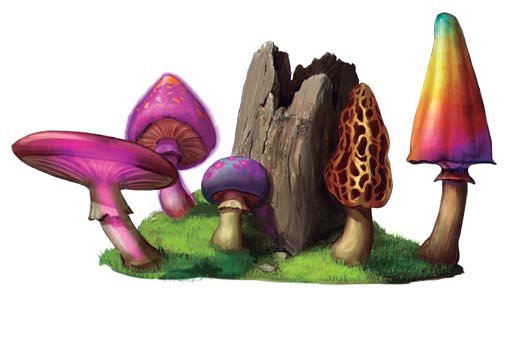
The section Pranks and Pratfalls is all about tricksy abilities and even a spell. The buffoonery skill feats are more accessible ways to bring that energy to a character. Comical Recovery (feat 1) uses a Performance reaction to try to avoid falling prone after particular skill checks, while Distracting Pratfall (feat 2) deliberately drops you prone to distract an enemy for someone else’s attack. Spit-Take (feat 2) can combine drinking a one action potion or elixir with a Performance check to dazzle an adjacent creature. Then there’s a Tomfoolery spell given Tricks and Treats (rank 3) that curses nearby enemies carrying something worth at least 1 gp. Affected creatures can end their curse by giving you a qualifying item. That is an excellent Halloween spell, and I’m sure the party will have opinions about what counts as acceptable candy!
Death, Memory, and the Price of Returning
The Blood Moon Ascendancy moves us into decidedly darker material. These fey are interested in mortality, and their curses make death and identity deeply personal. A number of Grave Maledictions, i.e. curses, are presented for these fey.. Came Back Wrong (curse 10) changes part of a victim’s memory or worldview if they die and return to life while cursed. Pledged Revival (curse 8) offers resurrection in exchange for a future task, while replacing the beneficiary’s previous heritage benefits with the Fadrim versatile heritage. Completing the task ends the curse but leaves the new heritage in place. That gives a GM a concrete way to make surviving a terrible defeat change someone’s story and character sheet together. It also gives the party a very good reason to ask exactly who is offering to help.
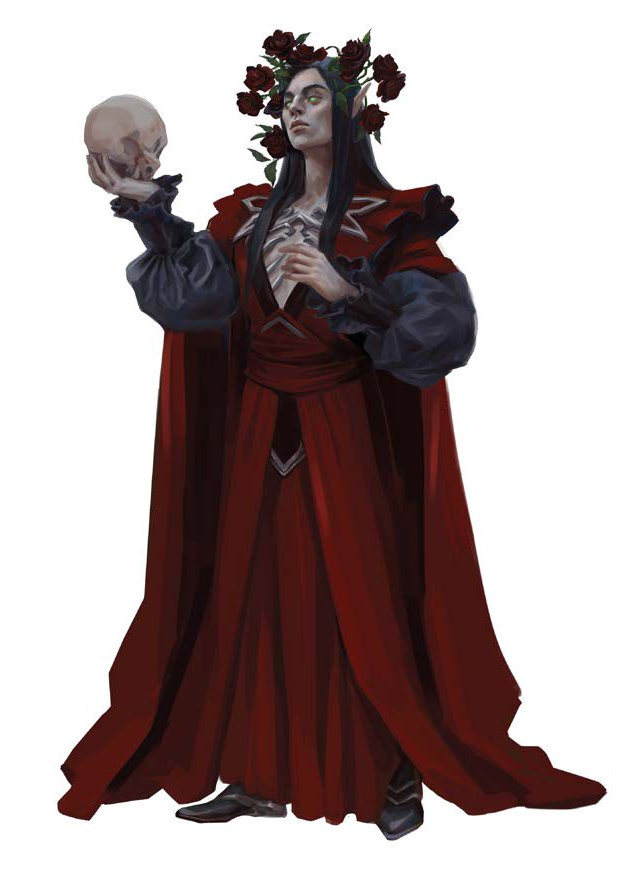
A number of shrouds – more equipment – are given and these new shrouds provide another connection between death and relationships. Investing one designates a next of kin who knows whether you’re alive or dead and the value of your dying condition, even across planes. A grave gown (item 6+) can heal nearby allies and briefly improve their attack rolls when you begin dying; a mourning veil of warm vitality (item 13) instead responds to an ally falling by healing them. For memory influence, Bottle Memory (rank 5) extracts up to an hour of recollection into a drinkable bottle, letting another creature experience and retain it while recognizing that it came from someone else. Break with Fate (rank 2) offers a much simpler tool to counteract a fortune or misfortune effect. The book specifically encourages a group conversation before introducing memory manipulation, and I appreciate that care alongside the dramatic possibilities.
A Place at the Table
The Hearth Tenders remind us how much good a fey can do through comfort, care, and a properly stocked kitchen. Filling porridge (item 2+) heals and improves Reflex saves for a time, while blackbird fairy pie (item 6) grants a 20′ fly Speed for ten minutes. Those treats also require a Will save to avoid a temporary penalty against spells and effects from fey. It’s a lovely mechanical expression of accepting hospitality that leaves you a little more vulnerable to the host. Tea fancies (item 4) take a different approach, transforming you into a Tiny animal dressed for the occasion. You can still talk, but you can’t dismiss the transformation early so everyone will have time to appreciate your magnificent little hat.

There’s useful magic around the house as well. A dancing needle (item 1) repairs cloth, a greater eversweep (item 5) cleans and then grants residents and invited guests a bonus to Will saves while they remain in the cleaned space. The pixie portal (item 14) opens into gardens and an abode for up to six visitors. The rooms can even grow to reflect the tastes of guests who treat the place kindly. Pay no attention to the weaver’s wheel (item 4) for fine crafting… Festive Finery (ritual 2) and Sweep and Soap (ritual 1) turn decorating and cleaning into rituals, while Fey Sidekick (ritual 5) negotiates assistance from a fey servant or a First World resident you know personally. Payment and the nature of the task matter. I’m very happy to see rules that make fey fellowship (get it) and the rules of hospitality matter. Of course, there’s always fey who are involved in maintaining a home as part of magical life; just don’t speak about it!
SPOILER WARNING
I’m about to go into First World secrets and rules that can shape adventuring there. Bestiary is after that so be forewarned in case your GM wants you to keep your nose out of it for now!
Should we part here, I wish you well and much love to all. But if not then mortal, you have been warned. Come dance in the fairy circle, have a bite to eat…

Beyond the Veil: The First World
The First World gives us a place where relationships can matter more than mileage. “Friend maps” are a thing, but not a mechanic really so I didn’t bold them. It’s more a group of details referred to that way. Imagine a bunch of circles or randomly drawn boundaries. They’re referred to in the text as friend maps because they chart the relative proximity of realms, what’s usually closer to others, etc. Yes, we do get some suggested mechanics around them. When travelers focus on a destination while using them, use the character’s Nature or Survival to navigate. A friend map typically provides a +1 item bonus, but an inattentive journey can end somewhere very different from where you intended. Oh and watch out there are “false friend maps” too!.
I’ll avoid too much detail, even with the spoiler warning but we get a few highlighted areas or Portals where many first enter the First World. The Witchmarket makes that uncertainty especially tempting, with memories, lost things, and peculiar bargains drawing visitors. For Kingmaker GMs, the account of Thousandbreaths is also worth reading carefully and all should consider the ramifications of their adventures on the details provided in sourcebooks. I do love to see the lore decisions made for “soft canon” however.
Importantly, we get mechanics for visiting and influencing the First World. All can make a lasting impression on the landscape. Alter Terrain uses a day of downtime and a DC 25 Nature or First World Lore check to shape land in a 100′ emanation, provided nobody already controls the realm. A critical success permits more drastic changes that can take longer to manifest. Yes, of course, your GM has final say as the rules expect you to work with them on the outcome. Usurp Realm takes a week and challenges a ruler’s Will DC, but the Eldest can only be challenged by entities of comparable divine power. Magic generally works normally here, though specific places can change damage, targets, areas, or even duplicate spells. The optional rules also include locations where divine casters take longer to Refocus and prepare. I particularly appreciate that these effects belong to particular circumstances, giving us strange places to explore without making every spell an unpredictable experiment.
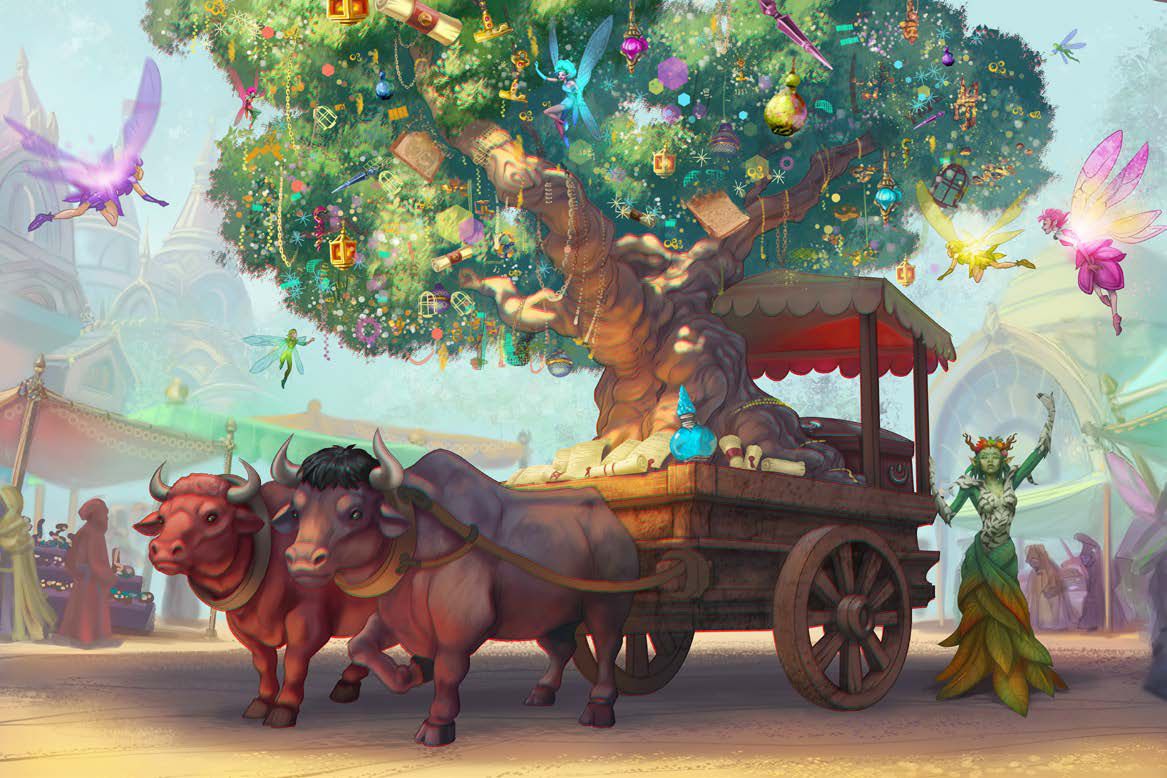
The Eldest are presented in full divine material supplies divine detail, useful for playing out their schemes or leveraging them for powerful clerics, champion, and other divine types. The benefits of such include avatar options alongside some very suggestive stories. Count Ranalc’s disappearance remains unresolved, with suspicion falling on Nex and their complicated history. The Lantern King has shown surprising moments of patience and mercy in recent years, which raises questions without making him remotely safe. Meanwhile, Baba Yaga’s Thrice-Tenth Kingdom provides a realm shaped by her will even though she isn’t one of the Eldest. Lady Verana’s melancholy also affects the Land of Summer’s Twilight, where the missing harp Memory’s Strings ties a personal loss to the condition of an entire realm. I want to dig further into all of that as the narratives framing this book are wonderful. I especially like the possibility that helping one person recover something precious might change the world around them.
The Fair Folk
Okay so we’re taking a risky if hopefully fun sojourn into the First World. What creatures might you encounter on those journeys or find waiting when you return home? The Baobhan Sith (creature 6), receives a Remaster update from its earlier PF2e presentation. This living fey adopts the blood drinking habits we associate with vampires, using Captivating Dance to draw victims closer before its claws and Drink Blood become a serious problem. It can also become a raven, which provides a very convenient exit when a gathering becomes less accommodating. I like the contrast between its carefully maintained gothic surroundings and the violence behind that attractive invitation. A ruined manor and an enchanting host might be all the setup you need.
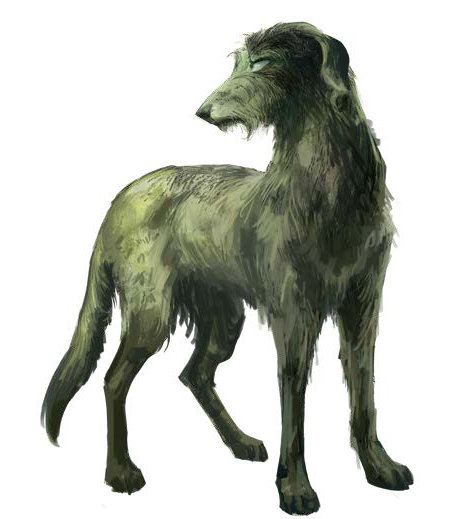
The Cu Sith (creature 7) is another returning PF2e creature updated for the Remaster. It guards planar crossings and can negotiate safe passage, so its first appearance doesn’t have to lead directly to combat. Its Dooming Bark reaches creatures within 200′ and becomes particularly dangerous to those already frightened, potentially adding doomed. Creatures sheltered somewhere the hound can’t easily reach improve their save result by one degree. That makes the warning bark a real invitation to respond to the situation, whether by finding shelter, backing away, or offering terms. I enjoy a monster whose abilities help tell the players what kind of story they’ve wandered into.
The Huldra (creature 4) also receives a Remaster update to its existing PF2e statistics. Its apparently ordinary humanoid appearance hides a hollow wooden back, a bovine tail, considerable strength, and regeneration that acid or fire can suppress. Manipulate Luck can bestow fortune or misfortune, and its tail can leave a victim stupefied. The accompanying lore makes clear that respectful hunters and woodcutters can live alongside huldras, provided they replace what they take and don’t kill wastefully. I would happily use one as a difficult but reasonable neighbor for a growing settlement, with a reputation made worse by people who refuse to admit why they offended it.
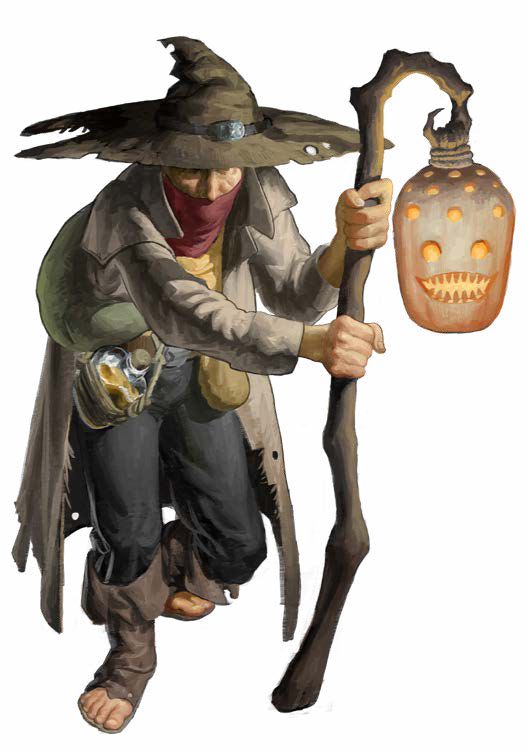
The Jack-o’-Lantern (creature 9) is rare but I had to call it out as my immediate Halloween pick. This interpretation is a wandering fey trickster carrying a carved turnip lantern, quite different from the murderous plant bearing the name in First Edition. Its origin story follows Jack cheating both mortal and devil before entering the Lantern King’s service. Lantern Allure fascinates those who see its light in dim light or darkness, Heavy Coin can immobilize someone who accepts or steals its silver, and Spit Summons summons a living wildfire from a mouthful of liquor. Extinguishing its lantern hurts it and interferes with its fiery attacks. A lonely road, an offered coin, and a warm light in the fog sound like a wonderfully terrible evening.
The Marraine (creature 7) gives the fairy godparent a very interesting set of motives. These fey compete for status through the happiness and prosperity of their mortal godchildren, but they can react badly when those mortals reject the ending chosen for them. Councils of three or seven function similarly to covens, using arcane magic and gaining additional transformations with the larger membership. Sudden Appearance also lets a marraine teleport near their godchild under its stated conditions. I can easily imagine one as a helpful recurring NPC whose generosity slowly becomes intrusive. Eventually the character has to explain that love and success should still belong to the person living the life.
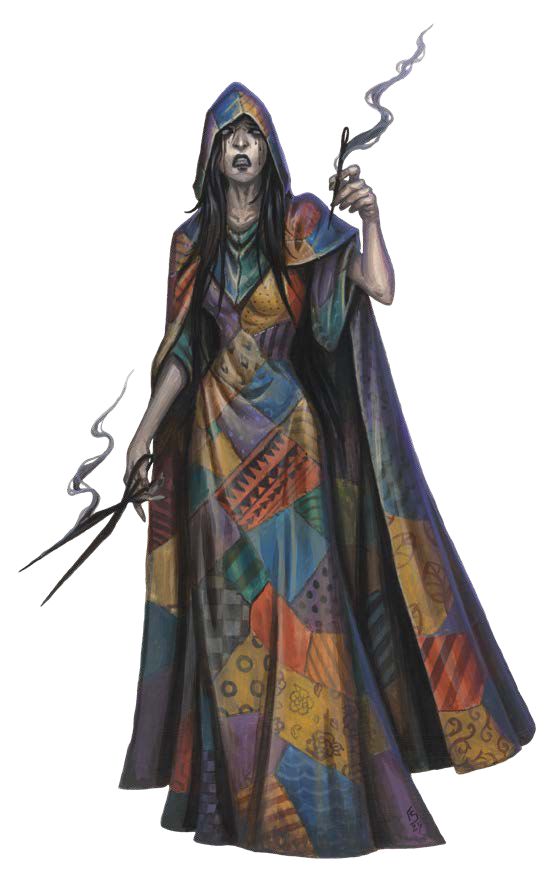
The Sorrow Stitcher (creature 8) brings back a Pathfinder1E fey with a tragic premise. Its people were exiled from the First World, and their descendants can feel only fear and sorrow. A shadow needle delivers the Hollow Heart Curse, cutting a victim off from most emotion effects and making them particularly vulnerable to sorrow stitchers, while Sorrowful Gaze can blind someone with tears. The rules explicitly prevent the stitcher from entering the First World, so simply escorting one home won’t solve its problem. I’m drawn to the question of who imposed that punishment and whether anyone has the authority, or compassion, to reconsider it after so many generations.
The Thrasfyr (creature 17) receives a Remaster update from Bestiary 2. I may have needed such recently, for reasons… Its chains, horns, claws, and fire breathing serpent tail make it an intimidating example of the Tane, living weapons created by the Eldest. Tangling Chains damages nearby creatures and can immobilize them, while Rider’s Bond creates a psychic connection with a chosen companion. That relationship has a troubling side: Bound Nature makes it automatically critically fail saves against confusion or control from its rider or an Eldest, while protecting it against those effects from other sources. I’m interested in what friendship means to a being built for obedience, especially when its extraordinary destructive power makes others so eager to claim it.
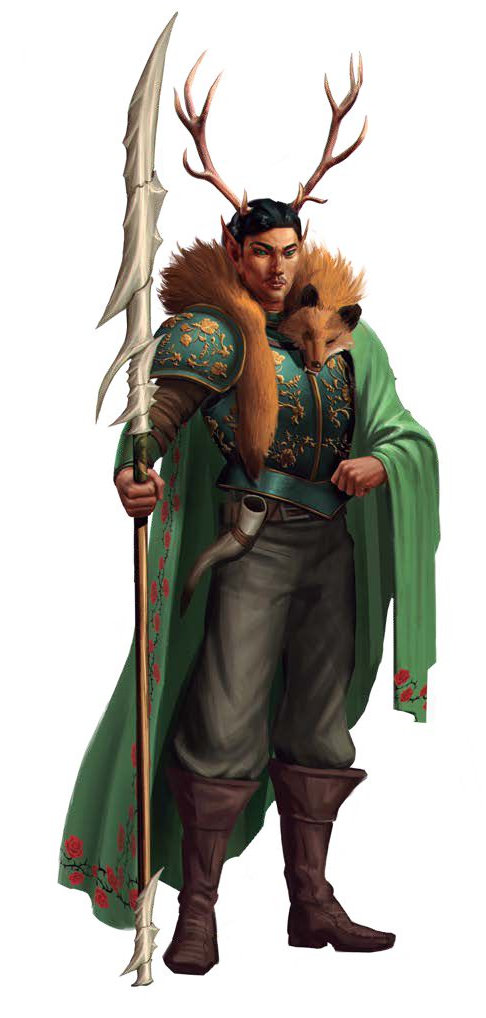
Finally, the Wild Hunt Monarch (creature 20) – who ain’t bad to look upon may I say – updates a PF2e foe already familiar to me and anyone who’s played Kingmaker. Its danger extends far beyond its own glaive: Noblesse Oblige grants other Wild Hunt creatures within 60′ regeneration 50, while Call to the Hunt can gather nearby scouts or archers to its side. Wild Reincarnation can turn a slain victim into an obedient fey, temporarily or potentially permanently depending on the save. That makes a pursuit more frightening than simply losing a fight. You might become part of the thing that hunted you, and the survivors might one day recognize something of their friend among the figures following those horns.
Considerations for the Future
I’m thinking Lost Omens: The Unseen World (January 2027) will give us some tie-ins as it explores Golarion’s spirits and how different cultures interact with them. Its description of a world where even rocks and rivers can awaken feels wonderfully suited to Feybound’s emphasis on treating the landscape and its inhabitants as neighbors worthy of respect. I’m curious how a bargain with the fey might complicate obligations to a local spirit, or whether helping one could offend the other! Those are possibilities I’d love to explore in Kingmaker, where building a kingdom could mean learning what the land itself expects from the people settling upon it.With Lost Omens: The Saga Lands (May 2027) we return to Irrisen and the Lands of the Linnorm Kings, and that feels like a natural place for Baba Yaga’s realm, huldras, and dangerous fey bargains to matter!
Feybound, more like First World bound!
Plenty of reasons to Invest In a fey character or a First World trip! Though what stays with me is how much of Golarion’s future could turn on these relationships. If Ranalc’s disappearance really does involve Nex, uncovering the truth could drag Golarion into an Eldest’s revenge. Meanwhile a few other Eldests’ changing behavior invites questions about what even they might know about what’s happening lately, especially in the wake of Gorum’s demise. All ideas I’m excited to explore and really I keep in mind for impact to the world as I try to keep fresh what’s happening in Golarion as we play Kingmaker. There’s a lot here I can leverage for that campaign. Feybound gives us the people, promises, and powers to make them meaningful at our own tables.
Until next time, please remember to support one another, and much love to all!
Investing In:
I wasn’t quite sure what to name my article series when I first started but the idea of showcasing or discussing things that make me excited, that I find new and interesting, or maybe I’m otherwise passionate about seemed to fit with the idea of Investing In something like the Pathfinder 2E mechanic. To use some magic items you have to give that little bit of yourself, which helps make these things even better. I like the metaphor of the community growing and being strengthened in the same way!
I also want to hear what you’re Investing In! Leave me a comment below about what games, modules, systems, products, people, live streams, etc you enjoy! You can also hit me up on social media as silentinfinity. I want to hear what excites you and what you’re passionate about. There’s so much wonderful content, people, groups (I could go on) in this community of ours that the more we invest in and share, the better it becomes!
Sources
Banner – Feybound cover modified, Paizo, art by Wayne Reynolds
- Who Are The Fey excerpt, Feybound, Paizo
- excerpt from 13 Omens Kickstarter, Paizo
- Who Are The Fey banner, Feybound, Paizo
- Dreaming Faun, Feybound, Paizo
- Fuath Gremlin, Feybound, Paizo
- Asterid Nymph, Feybound, Paizo
- Firefly Sprite, Feybound, Paizo
- Fadrim, Feybound, Paizo
- Star-browed background, First World Backgrounds banner, Feybound, Paizo
- Stellar Dancer, Feybound, Paizo
- Unicorn Rider, Feybound, Paizo
- Wild Hunter, Feybound, Paizo
- Trickster Muse, Feybound, Paizo
- Magic Mushrooms, Feculent Esculents, Feybound, Paizo
- Valdyak, Reaper’s Hands, Feybound, Paizo
- Fairy Pie, Fey Feasts, Feybound, Paizo
- Adventuring In the First World banner, Feybound, Paizo
- Witchmarket, First World Gazetteer, Feybound, Paizo
- Cu Sith, The Fair Folk, Feybound, Paizo
- Jack-o’-Lantern, Feybound, Paizo
- Sorrow Stitcher, Feybound, Paizo
- Wild Hunt Monarch, Feybound, Paizo
- The Way Back closing banner art, Feybound, Paizo