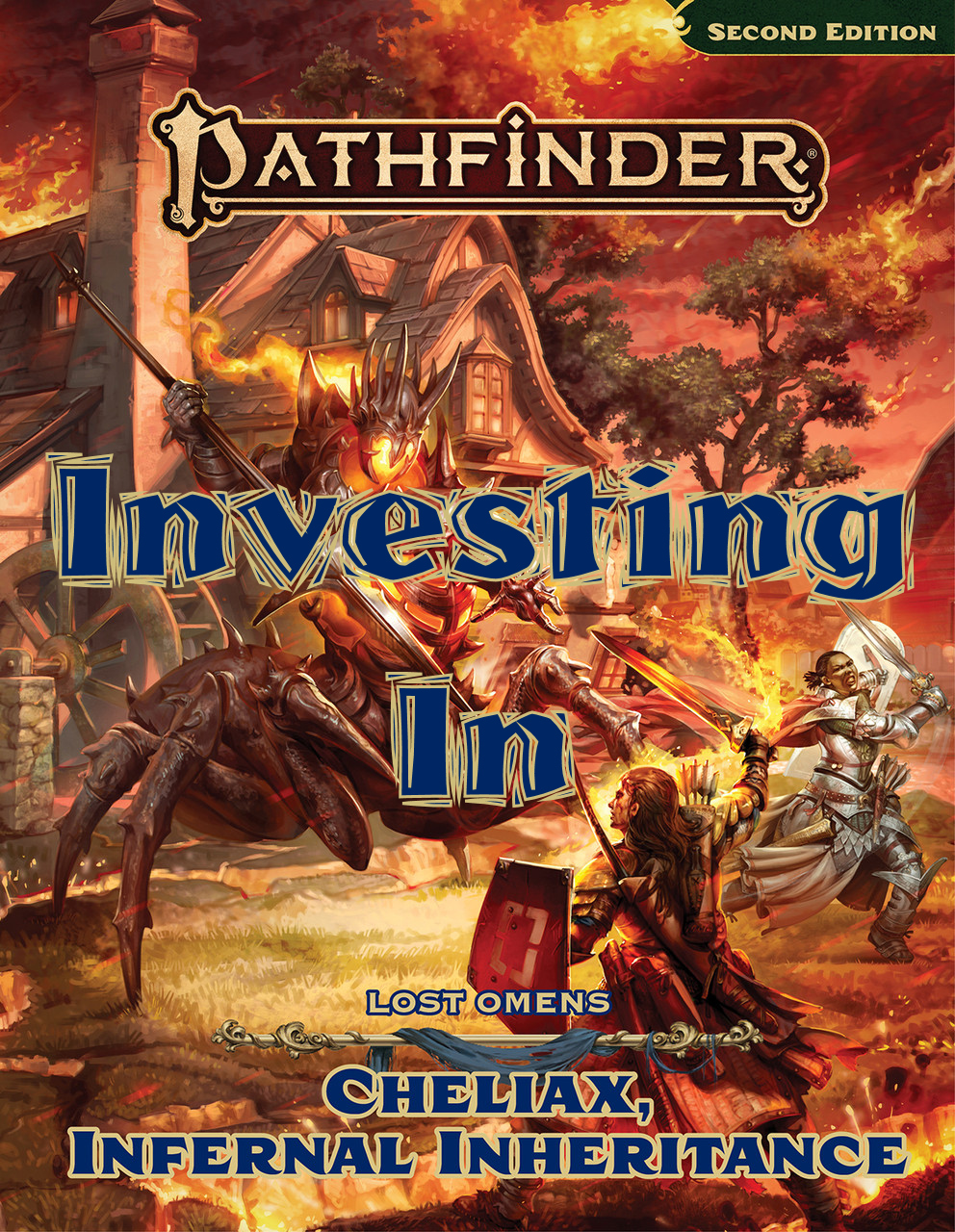

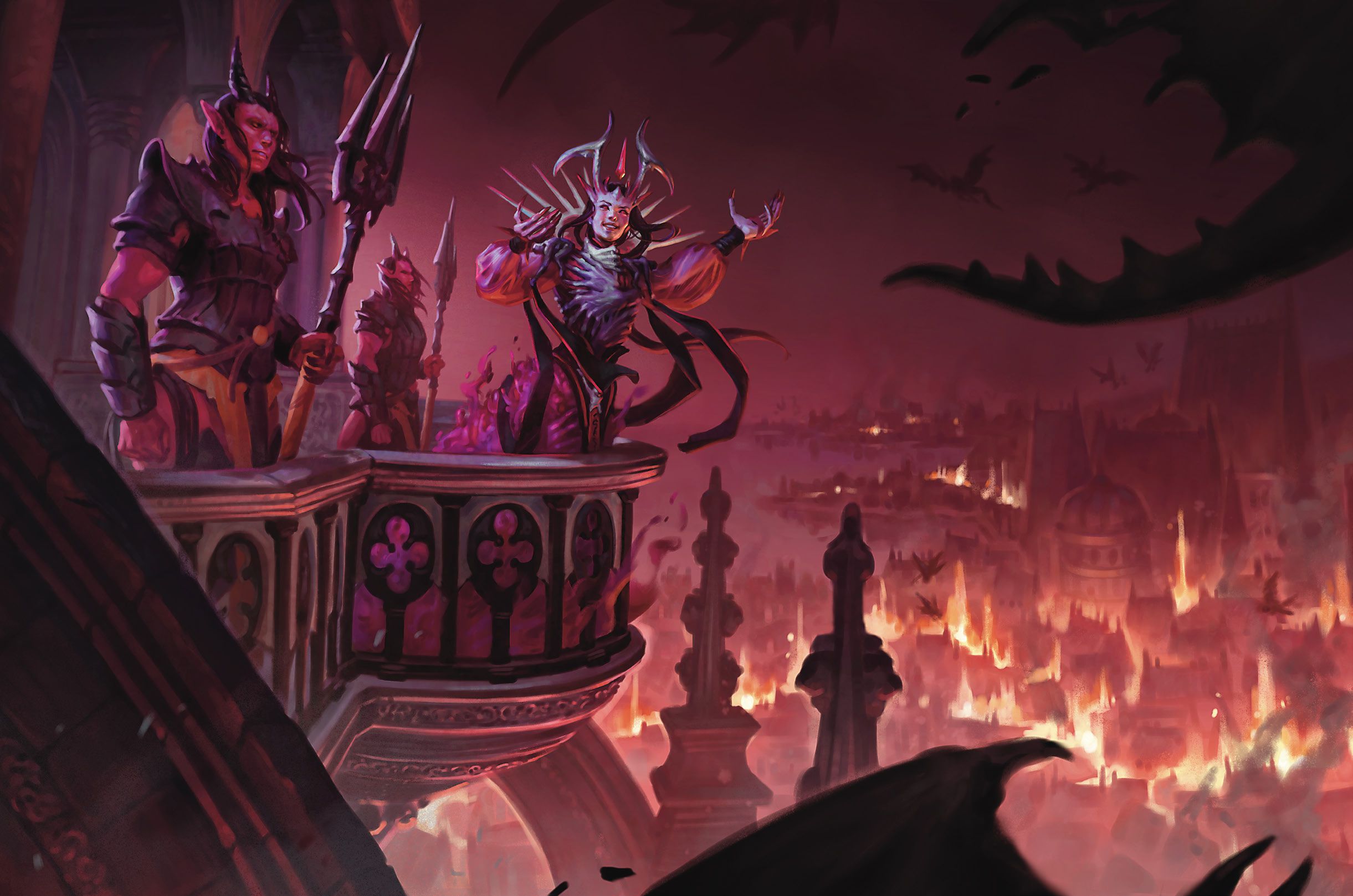
“The Inner Sea region has seen millennia of wars and strife, though nothing could prepare its inhabitants for the corruption of Golarion itself at the harrowing conclusion to the war known as the Hellfire Crisis.”1
Well that certainly sets the tone for our next visit! Cheliax, Infernal Inheritance brings us into a region where the consequences of war have changed the borders, the people, and even the rules of reality! That last part becomes particularly important when we start looking at what our characters can actually do here. The ripples of war affect us all especially when dictators turn our country to hell… Mm hmm. Cheliax, Infernal Inheritance considers the impacts farther than that devil plagued country for all your gaming desires! And we’ve got an amazing development team to thank including: Eleanor Ferron, Jason Keeley, Luis Loza, and Landon Winkler with Luis serving as development lead and Jason as design lead! Of course thanks to the many authors, editors, designers, and more too! These many contributors have given us plenty to invest in because as always we start with the crunch and then layer on the lore.
SPOILER WARNING
Before we go further please note this article contains major spoilers for the Hellfire Crisis storyline and its resolution, including consequences for its associated adventures. You can check out my articles on Hellbreakers and Hellfire Dispatches for more info!
Also this article is making me realize I need a style guide for my own use of certain headline types and bold/italic.
Golarion Today
Let’s remind everyone how we got here. This book is filled with lore around the crunchy mechanics, so indulge me! Since Aroden’s death things have really been escalating, and you could say that’s our fault since we need to have stories and adventures. For Infernal Inheritance , we’ll focus on the recent upheaval in summarized fashion.
Things begin with the Godsrain with the warshards left behind by Gorum’s death and an Isger increasingly determined to escape Chelaxian control. The Hellbreakers League’s resistance brought Hellknights to Breachill, where their brutal occupation and execution of Andoran’s General Reginald Kormoth helped turn a rebellion into an international war! I really felt that one having recently completed Age of Ashes. Andoran and the Hellbreakers fought together, naval battles spread the conflict, and Cheliax found itself losing territory and allies. Next we saw Talmandor (Andoran’s celestial patron) was defeated and captured. Abrogail used a fragment of his essence alongside warshards to complete her transformation, while the broader bargain demanded countless other souls. The resulting infernal upheaval forced an end to the fighting with the Archstone Treaty establishing a profoundly changed political map. There are victories worth celebrating here, but the cost is pretty enormous.
The biggest headline is that Abrogail Thrune II is now an archdevil, and Cheliax has become a tenth layer of Hell within the universe. Corentyn is independent, Isger has thrown off Chelaxian rule, Scorchhome has emerged as a new goblinoid nation, Ravounel has gained the Hellcoast, and Andoran has annexed Sirmium. Those changes ripple through trade, diplomacy, and religion. Cultures have entirely shifted as have the lives of people trying to find somewhere safe to live. Even Nidal has reason to worry about its transformed neighbor. Abrogail’s new power also places her under Asmodeus’s direct authority with a ten year transitional period during which he can replace her. Meanwhile, her transformation has invalidated certain older contracts involving her or Cheliax. That is an awfully consequential legal technicality, and I suspect quite a few adventurers would enjoy helping people discover it! Hell’s Rebels: Part Deux anyone?
Thankfully we’ve got some new allies and definitely some new tricks herein! Okay maybe some other threats to consider too in the Bestiary. Increasingly I see the rise of rebellion, the opportunity for antiheroes, and a mature (without the capital M) opportunity for roleplay here. And to help tell those stories, Cheliax: Infernal Inheritance gives us the tools to do so. So join me on a little tour but first…
Ancestries
Bugbear
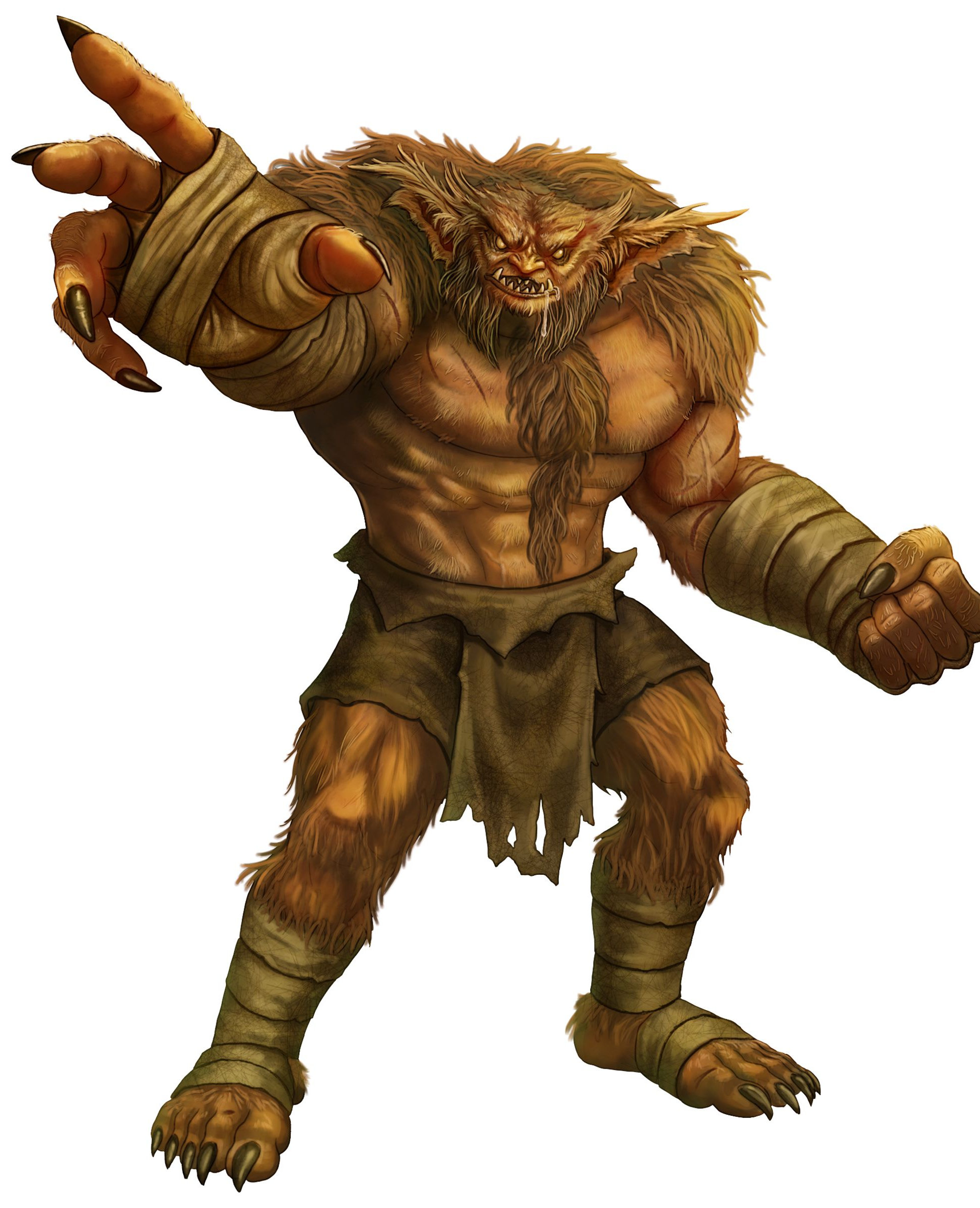
We get some new ancestries, including Bugbears! Bugbears are built around the hunt, though that obsession can be a lost treasure, a personal calling, or even creating the perfect piece of furniture. I appreciate that opening for a character whose intensity can become something constructive. Scorchhome and Oprak are helping some bugbears find places as adventurers, bounty hunters, and neighbors, even as their frightening reputation follows them. Mechanically, they’re uncommon with 10 HP, Medium size, a 25’ Speed, and darkvision. Their listed boosts are Strength, Charisma, and one free boost but with an Intelligence flaw. There is plenty here for a physically imposing character who knows how to command attention and perhaps roleplay up they haven’t been as exposed to a modern education as others.
The six heritages offer some wonderfully different approaches. Kardan bugbears can Step as a free action when they become hidden though their destination can still expose them. Koblak bugbears were born dead and returned, gaining void resistance and improved successes against emotion effects. Murd bugbears gain a swim Speed and aquatic stealth, while Slate Stalkers favor urban stealth and gain a +1 circumstance bonus to Fortitude saves against inhaled effects. Wikkawaks bring cold resistance and arctic camouflage considering their typical environ. Towering bugbears become Large though without automatically gaining extra reach, but I think that’s still tempting. Enemies within their reach take a penalty to saves against their fear effects. I can already see the appeal of that last one for a character who enjoys getting uncomfortably close before casting fear or you know, intimidating!
Some scary feats are available for Bugbears, and these are simply a taste of what you’ll find. That sort of goes for all the ancestries and later archetypes! Bushwhack (feat 1) combines a short approach with a Grapple against a creature that hasn’t detected you, adding damage on a successful grab and quite the surprise strike! Frightful Figment (feat 1) is a delightful roleplay add to their fearful influence. It gives you the figment cantrip and lets its use support Demoralize, including a +2 circumstance bonus to the Intimidation check. Unrelenting Terror (feat 5) reduces the immunity after a successful Demoralize to only one round, which is useful for many builds. Failed attempts still leave the normal ten minute immunity, so it rewards a character who has invested in being reliably terrifying. Strength and Charisma suddenly look like a very deliberate pairing, but I don’t think that’s a surprise.
The higher level feats keep developing that identity. Mocking Invisibility (feat 9) grants daily 4th rank invisibility, but one chosen enemy can still see you and suffers a –2 circumstance penalty to Will saves and Will DC while the conditions hold. You can literally terrify one target while others don’t believe you’re actually there! Your party’s other Will targeting abilities could certainly appreciate that! Crush Their Spirits (feat 13) lets Demoralize affect multiple creatures, scaling with Intimidation proficiency. And Unfaltering Ranks (feat 17) turns your understanding of fear into support for allies, reducing frightened and potentially granting temporary Hit Points and extra Speed. I like that a bugbear can eventually become the person who helps everyone else stand their ground.
Fetchling
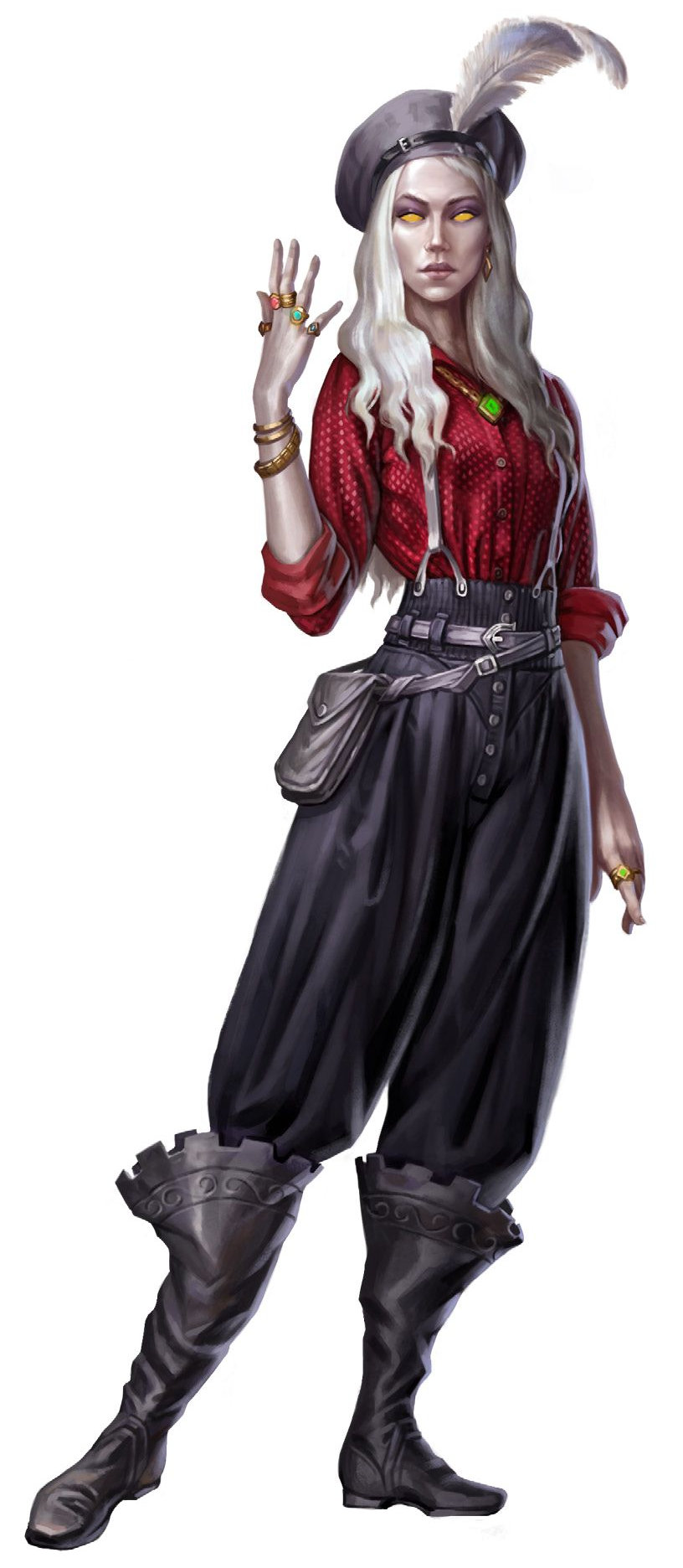
Fetchlings return with their wonderfully unsettling shadows and a history rooted in Azlanti refugees escaping Earthfall into the Netherworld. Many call themselves kayals, and the book gives their communities meaningful differences: the Estlaris of Beacon, the Brightsorrows of floating islands beneath Shadow Golarion’s moon, the mountain-dwelling Rikmirits, and Nidal’s Sharedars. Those last communities face particularly cruel exploitation by the Umbral Court, while clandestine helpers called eaves work to support and free their neighbors. There is a lot of character material in choosing what home means to a fetchling and whether they’re protecting it, escaping it, or hoping to return under better circumstances.
Fetchlings are uncommon, get 8 HP, Medium size, a 25’ Speed, darkvision, Dexterity and free attribute boosts. Five heritages develop the theme. Bright fetchlings can emit dim light and gain light and shield; Deep fetchlings choose cold or void resistance; Liminal fetchlings improve their ability to locate or target certain obscured creatures. Resolute fetchlings upgrade successful saves against emotion effects, while Wisp fetchlings become Small and gain Acrobatics training, Quick Squeeze, and a bonus to Tumble Through. I especially enjoy Bright fetchlings reminding us how much we can do with the relationship between light and shadow.
Slink (feat 1) adds 5’ to your Sneak movement, up to your Speed. It also lets successful, consecutive Sneak actions carry you through dim light or darkness without becoming observed, as long as you have cover, greater cover, or concealment at the end of your turn. Clever Shadow (feat 5) lets your shadow perform simple Interact actions within your reach, though it can’t hold items or handle complicated tasks. Follow that with Hefting Shadow (feat 9) and you can store up to 2 Bulk inside it with a bonus to conceal those objects from someone who doesn’t know to check there! Pretty sneaky. I am very easy to sell on a shadow that carries my luggage, especially when it also supports a good smuggling scene.
There are more direct adventuring benefits too. Shadow Sight (feat 9) provides a minute of greater darkvision once per hour, which might be more of an NPC choice unless you have a group ready to roll in the darkness or you accustomed to stalking alone. Umbra Ally (feat 13) lets your shadow provide flanking for you against enemies within your reach until the start of your next turn once per hour. That has obvious appeal for a melee character whose usual partner is occupied elsewhere. Become as Shadow (feat 17) is a great high level choice. It grants a minute of incorporeality and substantial damage resistance once per day. Yes there are serious penalties in bright light as you might expect, but turning to shadow is so on brand. First your shadow is helping you, then you’re becoming a shadow.
Strix
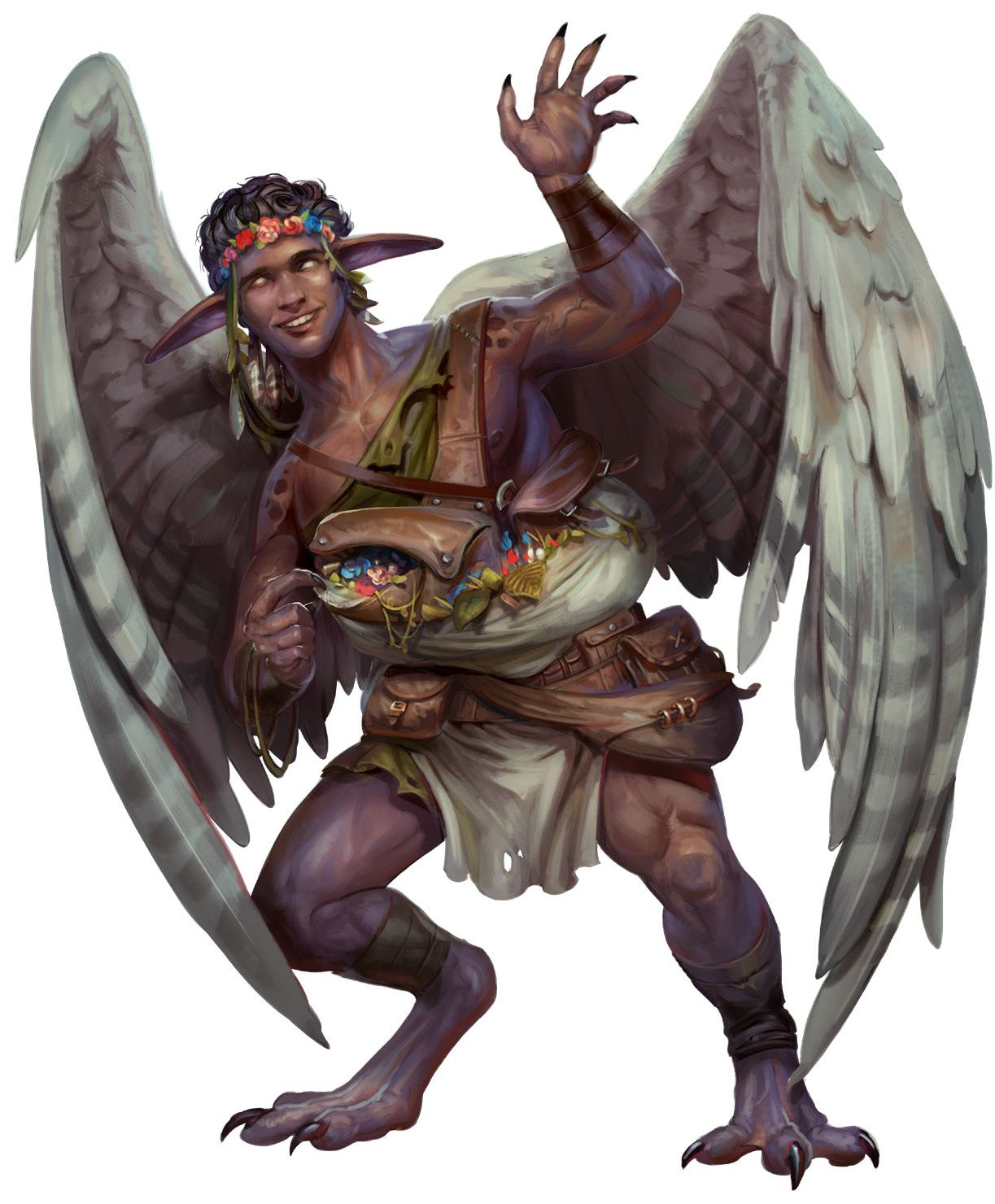
Strix, who call themselves itarii, are getting a better chance to define their future. Their communities have endured generations of violence and misunderstanding, but their alliances with Ravounel and the transfer of the Hellcoast create room for a different relationship with their neighbors. The book emphasizes their art, communal care, and traditions of remembrance alongside their ferocity. Strix are rare, 8 HP, Medium size, a 25’ Speed, Dexterity and free boosts, and lowlight vision. Their wings improve jumping and prevent falling damage, which is already a considerable benefit before you invest any feats in flight which we’l get to.
The five heritages support different roles within those communities. Nightgliders gain darkvision, Predators gain an agile, finesse talon attack, and Scavengers gain Survival training and Forager. Shoreline strix receive Athletics training and Underwater Marauder as heritages usually consider environmental aspects. Songbirds gain bonuses to singing and imitating voices. Songbird is an immediate invitation to build a bard, but I’m also intrigued by a spy who learned mimicry through family storytelling. The cultural detail makes those mechanics feel like something the character grew up doing.
For the question everyone is going to ask, the flight progression starts with Fledgling Flight (feat 1). Once per round, you can Fly with a 15’ fly Speed for that movement, but you fall if you don’t finish on solid ground. Juvenile Flight (feat 5) increases that Speed to 25’, and Fully Flighted (feat 9) provides a permanent 25’ fly Speed. Taking Fully Flighted again raises it to 35’! That gives you a clear investment path, while the ancestry’s protection from falling makes those early experiments considerably less alarming.
Other feats keep the wings and community theme relevant. Wing Step (feat 9) gives you two Steps for one action, which is excellent when positioning around dangerous reactions. Rokoan Arts (feat 9) grants daily uses of Speak With Animals and Status, reflecting the strix’s spiritual leadership traditions. Then for high level Flock as One (feat 17) uses a ten minute ceremony to transform you and up to five willing companions into Tiny birds for eight hours, once per week. The whole party gets to take wing together, and I’m already imagining the scene when everyone arrives at their destination and starts arguing about who kept falling behind.
Backgrounds
The backgrounds do a good job of putting a character into this changed region. Hellknight Deserter supplies Intimidation, Hellknight Lore, and Intimidating Glare for someone who has already decided where their former order went wrong. I did say things are prime for antiheroes or maybe redeemed?. Lived Through Hell gives Occultism, Devil Lore, and Schooled in Secrets to someone carrying knowledge from the war. Ravounelian Civil Servant offers Diplomacy, Ravounel Lore, and Group Impression. I love seeing rebuilding a country treated as a starting point for adventure. Asmodean Apostate and Shadowcaller Outcast also support characters whose relationship with their homeland’s dominant faith has become complicated. Among the rare options, Chitterwood Refugee offers a limited protective reaction against fire, while Sisterhood Orphan turns a history of harsh martial instruction into a damaging reaction against an attacker.
Then there is Secret Scion, a rare background that explicitly makes you a child of Asmodeus! Well, that should make family introductions interesting. You receive a Constitution or Charisma boost plus a free boost, training in Devil Lore, and Hellish Impression: once per day, when you fail to Make an Impression, you can react by casting charm on the target as a divine innate spell. The spell still has its normal limitations; this isn’t a guarantee that everyone will like you after all. The far bigger investment is the story. The background directly asks whether you embrace tyranny or oppose it, and even allows for a character who doesn’t yet know their parentage. I’d absolutely want the GM involved in that choice, because the discovery could shape an entire campaign. This is the Dark Urge choice folks.
Cheliax
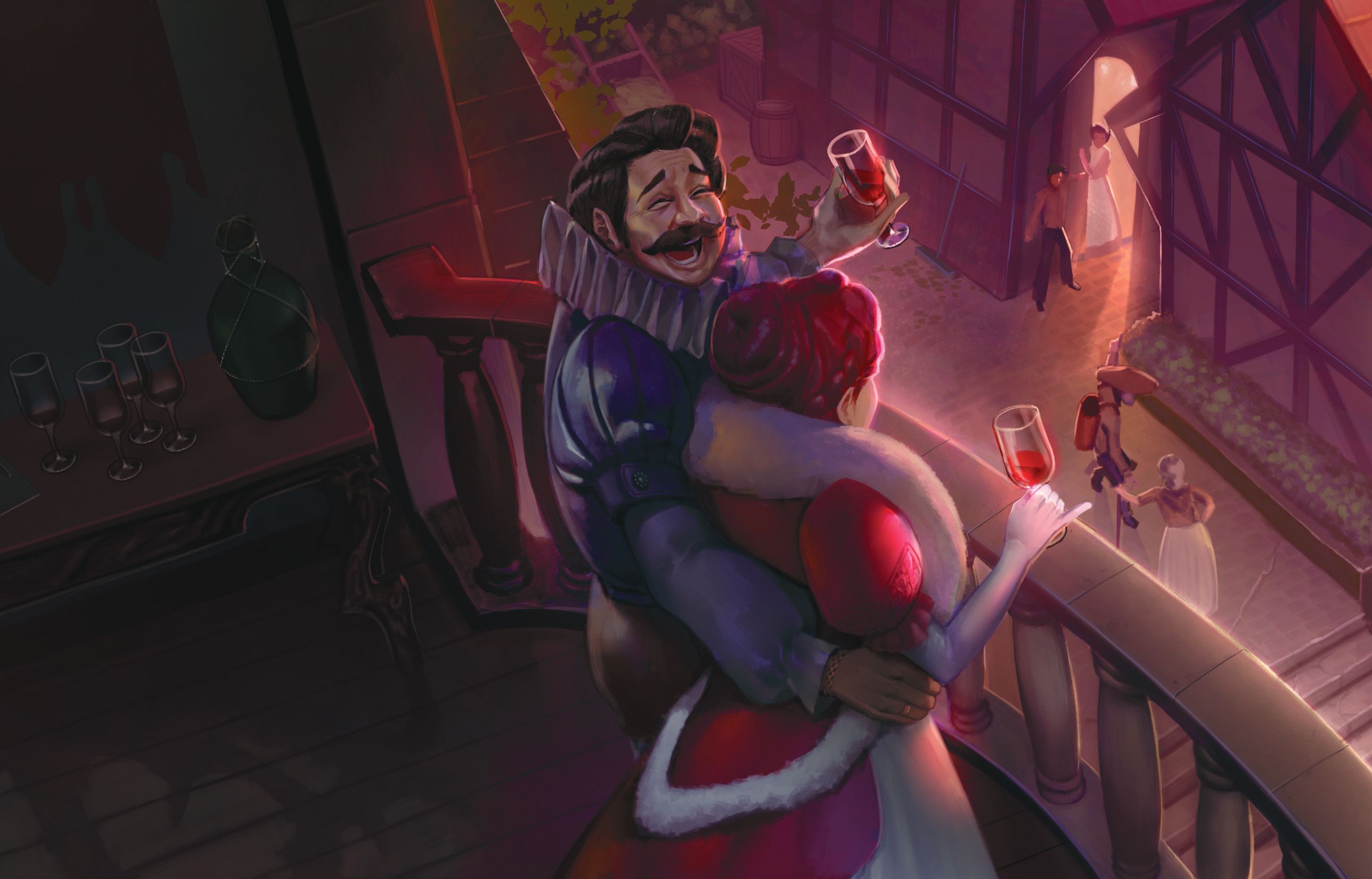
Let’s say Cheliax’s transformation is uneven… Ordinary looking countryside existing alongside Egorian’s infernal changes with places deliberately reshaped as punishments. Abrogail is rebuilding quickly, rewarding loyalty, and making departure an opportunity for further exploitation through the Office of Resettlement. Her subjects’ souls haven’t all automatically become Hell’s property, but the pressure to accept infernal bargains is growing and with few opportunities to say no. There is also a rules consequence worth remembering: Cheliax counts as both Hell and the Universe, and banishment fails against devils there. For spells and other effects, targets treat Cheliax as whichever of those planes is most favorable to them. That is going to change how a party prepares for an incursion. Meanwhile, discovering which old contracts have lost their force could give that same party a powerful way to help people escape.
The rare Hellbound Aspirant archetype lets you make the dangerous bargain yourself. Its dedication is unavailable to holy characters and grants fire resistance equal to half your level and Invoke Infernal Bargain, a free action that provides a +2 status bonus to your next attack roll, skill check, or saving throw before the end of your next turn. Then you become doomed 1, and you can only invoke it while you aren’t already doomed. Your soul also belongs to Hell when you die! The benefit is easy to understand, and the cost is sitting right there on your character sheet. Even retraining out requires resolving the agreement with potentially ugly consequences for failing the negotiation.
Later feats let you lean further into the arrangement. Unholy Pact (feat 4) grants devilish traits and a domain spell, along with a weakness to holy damage, while Infernal Magic (feat 6) provides innate spells and a way to heighten certain ones by increasing doomed. Call Hellfire (feat 8) gives you an area attack that is pretty thematic, and The Devil Inside grants a daily devil form. Dispute Terms (feat 10) lets you reduce doomed by accepting a misfortune effect on your next attack, skill check, or save as a free action so that’s pretty useful. I appreciate how the archetype keeps returning to its central bargain. You can gain a lot from the relationship, but managing what you owe becomes part of playing the character.
The new infernal contracts offer more individualized temptations. Illicit Knowledge (item 7) supplies Devil Lore and flexible daily Lore training, but its holder can leave you stupefied when invoking a clause. Exploitative Wealth (item 5) lets you Earn Income while performing another downtime activity with the devil retaining a way to interfere with those earnings. How charming. Accursed Fame (item 16) is a big one as it improves many creatures’ initial attitudes toward you, yet permits the contractor to silence you. At the extravagant end, Limitless Power (item 24) is crazy, as it’s considered an artifact contract offering a powerful weapon and extensive magic, while giving its devil a chance to turn your own power against you. These are terrific story items for ambitious NPCs as well as PCs willing to accept the consequences!
The Infernal Cantos section adds spells that carry the same controlling personality. The infernal supervision (rank 2) provides Legal Lore and bonuses to Deception and Intimidation with longer durations when heightened. The brimstone rain (rank 5) combines an initial fire blast with difficult terrain and lingering poisonous fumes. There’s kiss the ring (rank 6) that can force a foe who fails its save to Stride toward you and Drop Prone before taking other actions, then prevent hostile actions against you while you sustain it. Your own hostility ends that protection unless the target critically failed, and someone beneath you in a shared hierarchy treats their save as one degree worse. It has the incapacitation trait, so that matters when selecting targets. I can see these spells doing a lot to establish an antagonist’s personality before that antagonist ever gives a speech. The right antihero might also like…
Corentyn
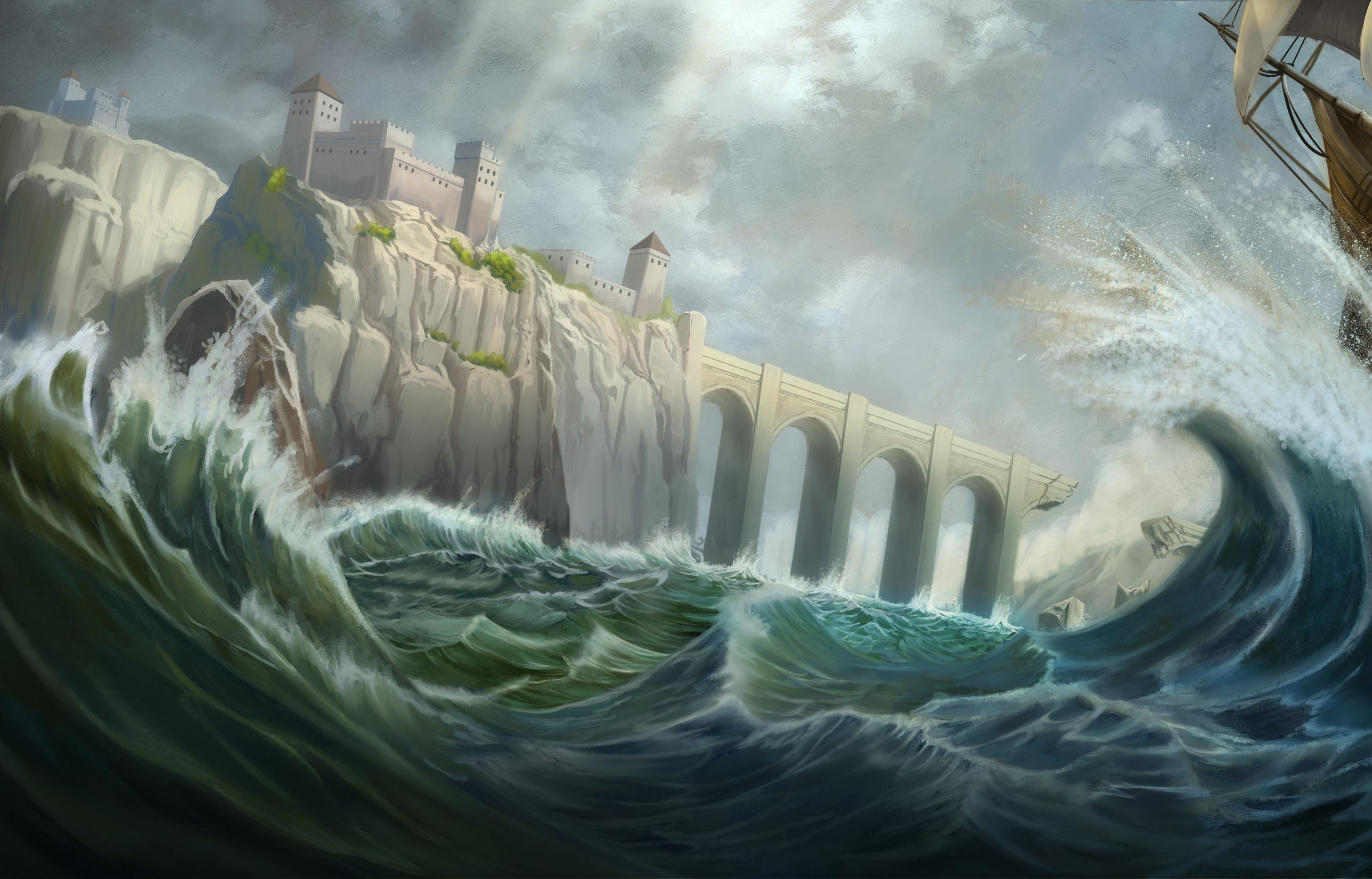
Corentyn is working hard to make independence permanent. Its leaders have helped establish the Corentyn Compact with Ravounel and Isger, are rebuilding their navy, and share an uneasy arrangement with Rahadoum over the Hespereth Strait. Their efforts to reject Chelaxian identity can be inspiring, but they can also become public tests of loyalty. Beneath all that, alghollthus (Dead Gods Hand is reminding us they’re everywhere!) are manipulating naval personnel and the movement of ships in ways that could influence the government itself. A new nation trying to protect its freedom while something quietly interferes with its decision making sounds like a campaign waiting to happen.
The School of the Corentyn Armada gives naval wizards a curriculum mixing water, weather, communication, and practical survival. Its initial focus spell, Control Currents, creates directional movement in water, affecting creatures and vehicles and making movement against the current difficult. The advanced Choking Fog creates concealment and forces breathing creatures inside to hold their breath or risk suffocation. Both make terrain and positioning matter. After our earlier visit to Lost Omens: High Seas, I’m very happy to have another wizard concept whose contribution to a ship goes well beyond setting the other ship on fire.
Several of the Aquatic Spells are useful well away from a harbor. The curse of slippery steps (rank 1) makes all terrain difficult for its target unless it critically succeeds at its Reflex save. Failures also leave a wet trail that helps trackers. The equally low rank rude awakening (rank 1) drenches an ally, offers an immediate Will save against an ongoing emotion effect or the frightened or stupefied condition, and grants saving throw bonuses for a minute. A successful recovery save suppresses the problem for the spell’s duration, which is an important limitation. Saturate (rank 2) can turn hard ground into difficult terrain or soft ground into quicksand, while unending tears (rank 4) attacks vision and can leave a target stupefied. There is a good range of control and support here.
The aquatic equipment addresses problems characters actually encounter. A bracelet of buoyancy (item 3) helps with Swimming and can bring a submerged wearer to the surface. A sea retrieval line (item 3) reaches through water to retrieve a willing creature or an unattended object, or pull you toward a stationary anchor point. The heat-seeking harpoon (item 5) avoids normal underwater attack restrictions which is pretty useful, and it ignores visual concealment against qualifying targets with heat signatures. I love the lily pad platform (item 5), which expands on water at least 60’ deep and can support a group before wrapping around its occupants and submerging. My Kingmaker group has something similar with an ice float bow, very Zelda on purpose. Those inside can breathe normally, though they are engulfed while submerged. Smugglers are going to love that, and so are adventurers trying to avoid becoming somebody else’s naval engagement.
Corentyn’s other options draw on Jistkan discoveries. Armorskin robes (item 9) combine protective clothing with elemental resistance and an activated defensive sheath, while an embedded eye (item 3) offers help against visual effects and illusions. The wind-up widget (item 3+) includes a walking lockpicker and a small spy that records a brief stretch of sound. We also get actual vehicles! The sea fort (vehicle 10) extends barriers or raises protective ramparts, and the shadow chaser (vehicle 6) can submerge beneath the surface with a temporary breathable air bubble. Those give a GM and players concrete tools for blockades, reconnaissance, and the complicated business of getting a very conspicuous group of heroes somewhere quietly.

Isger
Isger is free, but also deciding what that freedom should look like. Its new government is building alliances, considering how much assistance to accept from Andoran, and working through its relationship with Scorchhome. The Verdant Wanderers are helping restore older Isgeri cultural traditions, including preparations for the renewed Eistaris Festival. Meanwhile, giants, troubling incursions from Molthune, and the unresolved place of the Sisterhood of the Golden Erinyes provide plenty of immediate problems. The Wanderer’s Road, a set of mysterious primal sites whose matching symbols suggest a connection, particularly catches my attention. Recovering a suppressed cultural history while figuring out what its surviving magic does is exactly the sort of exploration I enjoy.
The Infernal Pactbreaker archetype is one of my favorite ideas in the book. Its practitioners study voided infernal contracts and draw power from the remaining magic without surrendering their souls. Characters from Isger have access to its uncommon dedication, which requires training in Legal Lore or Religion and provides Intelligence based divine spellcasting through a contract folio! I had an NPC in our Dragonlance game who felt very similar, though he was an evil dude. You begin with four common divine cantrips in the folio and prepare two each day, and later feats develop upon that spellcasting. Contract Blade (feat 4) turns the folio into a magical sword that can carry weapon runes, while Diabolic Usurpation (feat 4) grants a domain spell without demanding worship. Weaponized contract law has rarely looked so appealing.
The practical applications keep getting better. Annul Compulsion (feat 6) uses Legal Lore or Religion to try to counteract a curse, a behavior altering spell, or the confused, controlled, or fascinated condition. Afterward, the target is temporarily immune to your Annul Compulsion for a day, whether you succeeded or failed. Clarify Hellfire (feat 10) lets your fire damage against devils bypass their fire immunity and gain the holy trait for the rest of your turn. That is an excellent payoff for someone determined to turn Hell’s tools against it. Proscribe Devilry (feat 10) adds a daily devil targeting banishment, though remember that Cheliax’s new planar status limits where that solution works. The archetype’s usefulness comes from learning the exact terms of a problem, which feels wonderfully appropriate.
Isger Opposition Spells also make resistance tangible. The devil’s horseshoe (rank 1) wards an entrance, harming passing fiends and potentially making attacks against them count as magical silver. Turnip lantern (rank 1) offers protective bonuses against unholy creatures to those in its bright light. At the other end, the silver spear (rank 6) deals 12d6 piercing damage on a hit and another 12d6 spirit damage against a fiend. As an extra effect on a critical hit, the hit interfers with that fiend’s teleportation. Roar of freedom (rank 8) costs only one action, dealing substantial sonic damage to enemies while granting allies temporary Hit Points. Its added pressure against especially tyrannical foes makes the spell’s name feel thoroughly earned.
The Order of the Pike gets new benefits for members with the Hellknight archetype, supporting their mission to hunt creatures that threaten innocent people. Bestiary Secrets rewards successfully Tracking a monster with useful information about its defenses or lowest save, and makes that quarry off guard against you from initiative until the end of your first turn. The Harder They Fall offers a defensive action against a Huge or larger creature. Their pike of the monster slayer (item 13) can gain a tailored bane effect from a monster’s blood and unleash a grisly burst after a qualifying kill. I’m particularly interested in the order’s willingness to judge monsters by their actions with goblins and other usually feared peoples potentially serving as allies.
Nidal
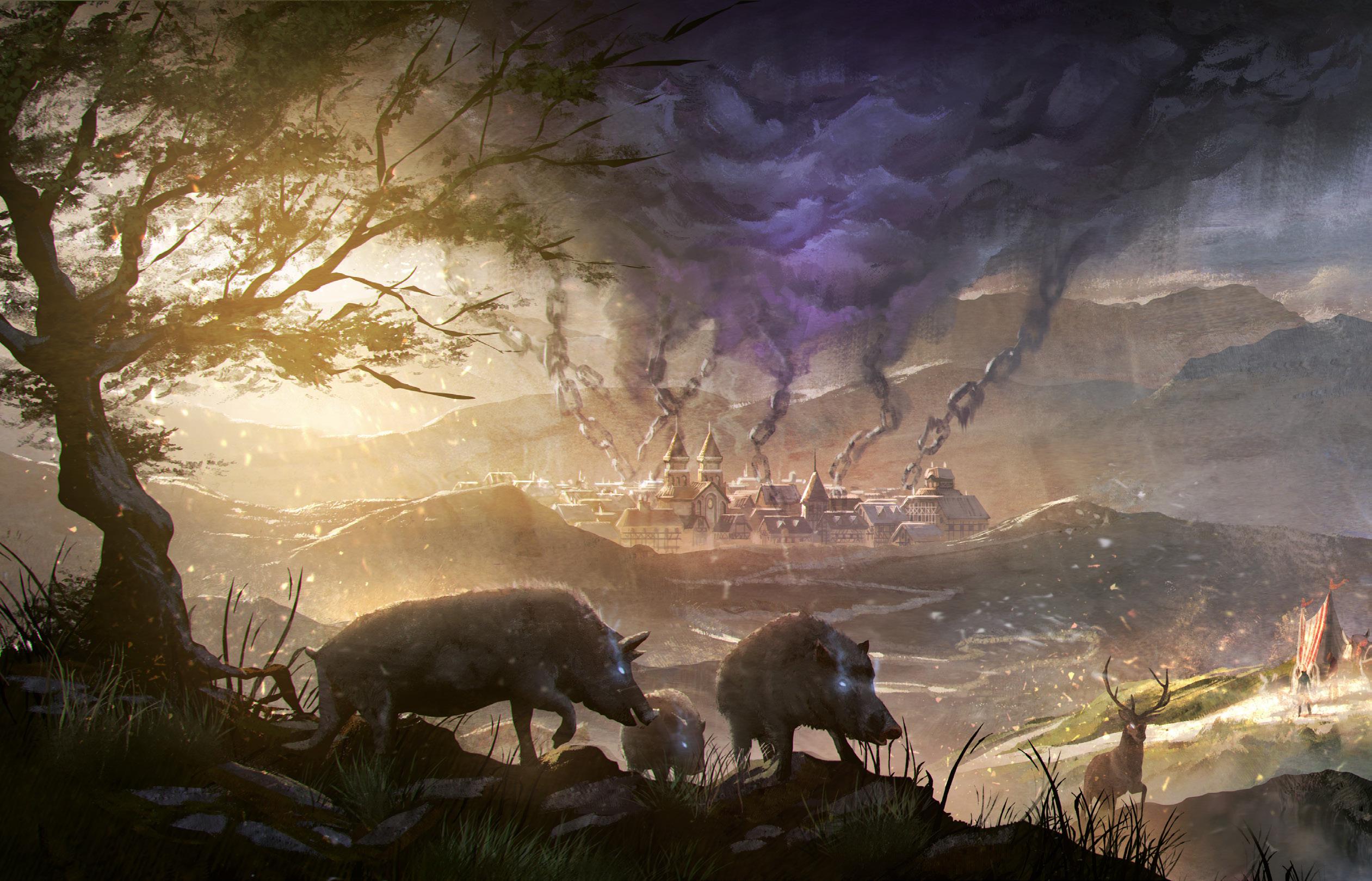
Nidal’s ancient regime has plenty to fear from the present. Warshards have empowered rebellious horselords, unrest in Nisroch has drawn increased repression, and the Dreamtenders continue offering hope despite terrible losses. Cheliax’s transformation has also changed the balance between Asmodeus and Zon-Kuthon. The Black Triune has secretly formed the Midnight Apostles to gather specially blessed warshards called the Midnight Stars, whose combined gifts remain unrevealed. Between those fragments and the horselords’ shadow-destroying spear, Shadowpiercer, there are several pieces of a future adventure already moving around the board. I would very much like to see what happens when they meet.
The Midnight Illusionist deserves a careful look, particularly for those of us who love shadow magic. I was rather excited to see it as I expect some more Nidalese adventures soon. Its dedication requires spell slot casting and worship of Zon-Kuthon with access through the Midnight Guard. That faith requirement is a significant character choice. The dedication lets you manipulate your shadow and use it to deliver touch spells with 10’ reach, while opening the School of Shadow Veils’ curriculum to your qualifying spellcasting tradition. Eyes of Night (feat 4) grants darkvision or improves existing darkvision to greater darkvision. The combination supports a caster who operates comfortably in conditions that make everyone else nervous.
The feats give that caster some particularly cruel tools. Painful Spell (feat 4) adds 1d4 nonlethal mental damage per spell rank when your next action is to cast a damaging spell with no duration, excluding cantrips. You suffer the same extra damage yourself with no way to reduce or prevent it. And Yet It Still Hurts (feat 10) deals nonlethal mental damage equal to twice the spell’s rank whenever a creature attempts to disbelieve one of your illusion spells whether it succeeds or not. Discovering the trick doesn’t spare it the pain. Sunless Slide (feat 12) lets you Step and cast a spell requiring two or fewer actions as a two-action activity while you’re in dim light or darkness. I like this for a sneaky shadow type as its an improvement to the familiar problem of needing both space and time to cast while trying to be a more mobile individual.
Its focus spells also make the shadow theme work on the battlefield. Pin the Spears in the Lamb (focus 2) spends one to three actions to target that many creatures with shadows, slowing their movement on a successful Reflex save and immobilizing them on a failure, though they can Escape. A critical success avoids the effect. The dreadful name comes from a Nidalese children’s game, because apparently the nation needed another deeply troubling cultural detail. Glimpse the Netherworld (focus 4) is a reaction triggered when a living enemy falls to 0 Hit Points, releasing cold damage around that enemy and potentially persistent cold damage as well. It affects creatures in the area, so keep your nearby melee allies in mind before celebrating the timing.
The separate Shadow Spells are worth attention even if the archetype doesn’t fit your character. Gloom mantle (rank 1) takes one action to coast, granting concealment and can be sustained, though bright light removes the protection and it can’t enable Hide or Sneak. Occult casters (like my necro) have reason to look at that. Gift of dusk (rank 4) is an unholy curse that progressively enfeebles its target and can eventually detach its shadow as a creature friendly to you and hostile to its former owner. Shadow form (rank 7) is one I assume many will want. It grants a flattened shadow body, useful resistances, precision immunity, movement through narrow spaces, and extra damage for shadow spells, balanced by a weakness to damage from effects with the light trait. I always like something defensive and utilitarian even with the slight weakness.
The School of Shadow Veils brings a full wizard curriculum built around illusions, concealment, and shadow. Its initial focus spell The Night is Mine, deals cold damage and can be cast as a reaction when a creature within range attempts to Hide. Tenebrous Freedom is the advanced focus spell, which detaches a target’s shadow and moves it away, leaving the target enfeebled 2 and clumsy 2 while separated. I’m getting some Peter Pan feels here, but love the shadow magic. I think it’s easy to detach (har har) the Zon Kuthon/Nidal connection to if you simply want to make a shadow caster. Anyway, a successful initial save still detaches the shadow for the spell’s sustained duration, moving it 5’ each time you Cast or Sustain; failures let it move farther. Only a critical success avoids the effect entirely, though the target can end the separation by recovering its shadow. I love how the spell makes those penalties visible in the fiction: someone is literally trying to catch their own shadow while the fight continues around them.
Nidal also remembers its horse culture. Chiardmar Steed (feat 6) improves a horse companion’s speed and movement through difficult terrain, while Nidarrmar Steed (feat 6) reduces penalties to its Speed and can replace fleeing or controlled with slowed 1. These have class options for champions, commanders, druids, and rangers with additional access through the cavalier archetype. Cavalier feats include Born in the Saddle (feat 4), reducing the mounted Reflex penalty, Reckless Riding Lunge (feat 4), temporarily extending reach with melee weapons, and Ride-by Recovery (yes, also feat 4), retrieving something from the ground as your mount passes. These choices help a mounted character feel practiced at the everyday physical business of fighting from horseback.
Ravounel
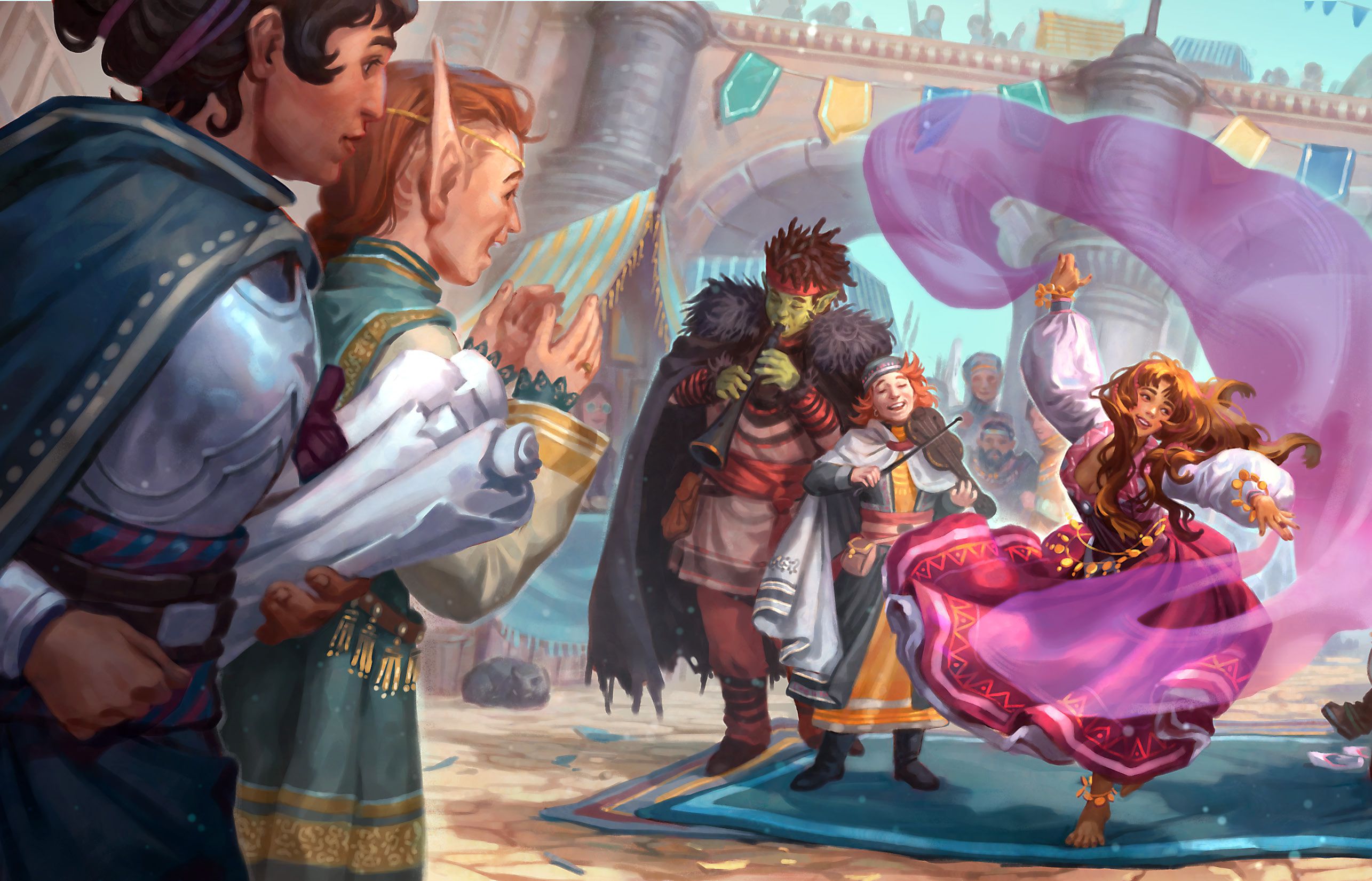
Ravounel is preparing for its first national election as Jilia Bainilus steps down, and its expanded territory makes universal suffrage a practical challenge as well as an ideal. Getting ballots to remote communities, including strix and aquatic elves, can become an adventure in its own right. Refugees are arriving, Pezzack needs rebuilding, and the arts are flourishing with fewer restrictions. There are also serious threats in places such as Vyre and the abandoned Citadel Enferac. I particularly enjoy the traveling opera company whose journey doubles as an effort to identify a military route to Isger. Culture, diplomacy, and adventuring have plenty of room to work together here.
The Bellflower Tiller archetype brings the Network’s rescue work into play. Its dedication requires membership and training in Stealth and Survival, increases your Speed, and lets you designate up to six people as your crop. Those charges can use your Speed for overland travel if it is higher than theirs; this and your other tiller benefits require them to stay within 60’ of you. Later feats expand how you protect them. Crop Protection (feat 4) grants a retaliatory melee Strike when an enemy within reach attacks one of them, potentially improving the ally’s AC against that attack. Silo Crop (feat 6) turns Create a Diversion into a way to help two charges become hidden. Your commitment to getting people home becomes something you can act on during an encounter.
For support characters, Practiced Guidance (feat 8) upgrades successful Aid attempts for your crop to critical successes, while Tiller’s Aid (feat 10) eventually removes the need to spend an action preparing that Aid reaction. Garden Path (feat 8) improves group stealth during exploration as I imagine this a halfling guiding people through a farm to sneak away. Swift Sower (feat 10) makes your charges faster in their own right. Cut the Bonds (feat 12) is powerful stuff as your faith in freedom literally empowers you to cut away magic that impedes your allies! I don’t think I’ve seen that before. It uses your weapon attack modifier to try to counteract magic imposing certain restrictive conditions on an adjacent crop member. I can imagine a fighter or rogue getting a great deal from this archetype, especially in a group that wants protecting one another to be part of its identity. I’m truly feeling more Hell’s Rebels here.
Silver remains central to Ravounel’s equipment. Devil’s trap (item 6) is a consumable that attempts to interrupt a devil’s translocate into its protected vicinity and, on success, temporarily prevents further teleportation. Night Sky elixir (item 3+) helps saves against devil created effects, while a gleaming cuirass (item 13) offers defenses and an activation that penalizes a foe for attacking someone else. The Soulpiercer (item 12) rapier can extend its quicksilver blade to 15’ reach for a short time. The crown of the new moon (item 11) prevents contracting the werecreature curse or suppresses an existing one. That last item could carry considerable personal significance for someone trying to regain control of their life.
The Order of the Torrent continues its mission of rescuing abducted people. For members with the Hellknight archetype, Free the Bound improves an ally’s skill check to Escape and can give them a reaction Strike afterward, while Unbound Torrent provides daily unfettered movement. The order’s identifying Mark of the Torrent (item 5) helps investigate missing people and can produce supernatural insight into a kidnapping. When using that activation, even a failed Recall Knowledge check, short of a critical failure, can eliminate a false lead. That is a lovely bit of support for investigation, where narrowing down what didn’t happen can be enough to get the party moving again.
Scorchhome
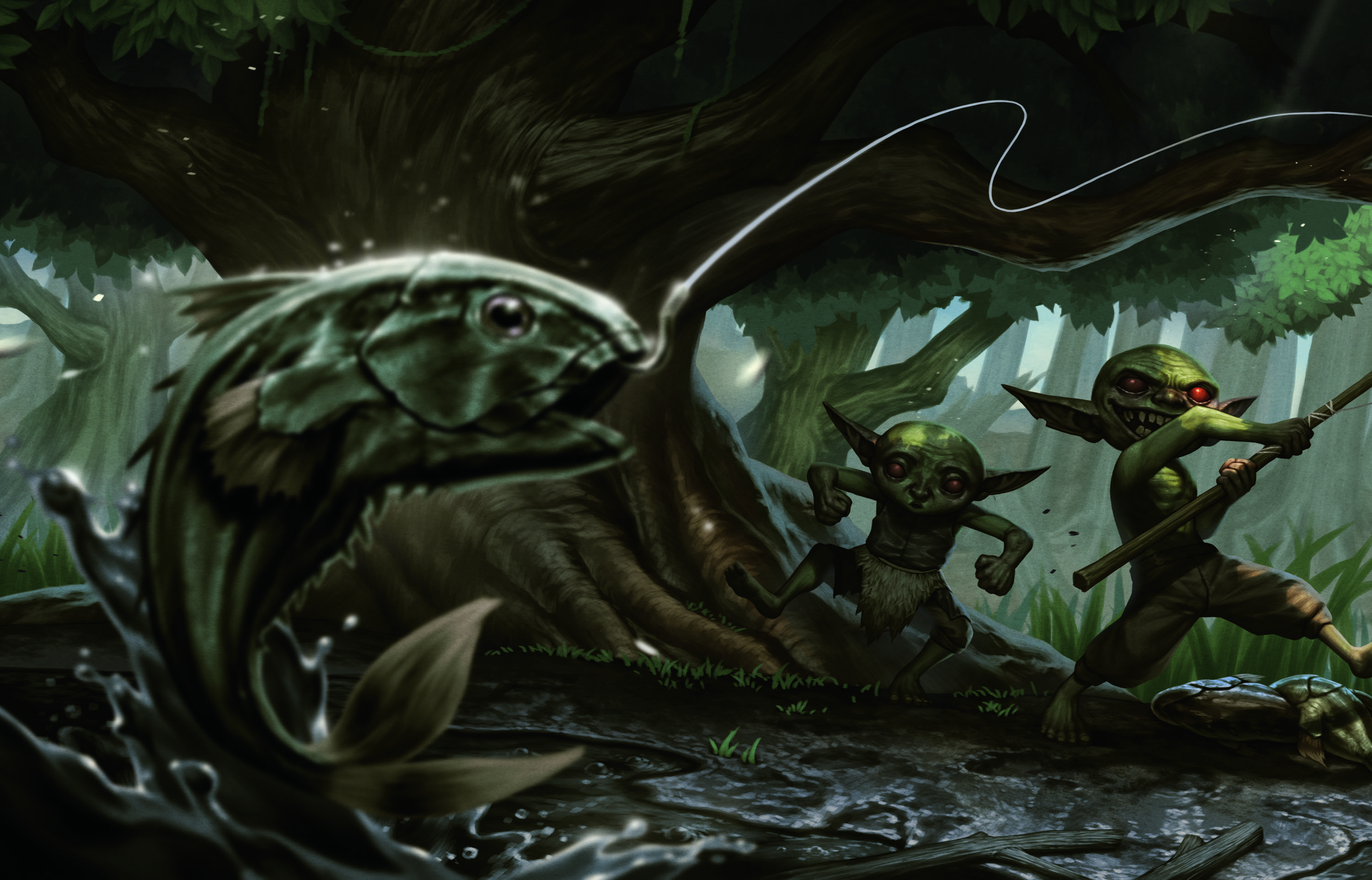
Scorchhome gives the goblins and other goblinoids of the former Chitterwood a nation of their own, but its direction remains rather contested. Some want broader citizenship and peaceful partnerships; others favor exclusion sometimes even rejecting hobgoblins and bugbears. The scars of the Goblinblood Wars affect those arguments, while the Isgeri Slayers pose a very real external threat. Cooperation between goblin and gnome inventors, returning druids, and settlements learning to live together offers another future. The proposed Edict of Unity makes that tension concrete. As someone who enjoys campaigns about building communities and kingdoms, I find plenty here to care about before anyone throws a bomb.
They will, of course, throw a bomb however! Goblin Alchemy starts with practical inventions such as energy ointment (item 3+), which takes ten minutes to apply to up to five willing creatures, providing resistance and help ending persistent damage of its designated type: acid, cold, electricity, or fire. Then the blast-off bottle (item 5+) burns nearby creatures and launches you through the air without triggering reactions, depositing you prone. Martial mayhem mutagen (item 1+) improves combat maneuvers and rewards melee attacks against off guard enemies, but weakens mental defenses and can leave you clumsy after a miss. Megaphone mutagen (item 1+) extends auditory actions and spells and improves many auditory skill checks. There are penalties that make subtle social maneuvering a poor follow-up. Goblin ingenuity knows exactly what sort of scene it wants to create.
The alchemist feats spread that enthusiasm across research fields. Longshanks Slam (feat 4) combines Quick Alchemy with a close range bomb attack against a larger enemy, making that target off guard and avoiding its reactions at the cost of splash damage. Combustible Poison (feat 6) gives toxicologists fiery additions, while Blazing Mutagen (feat 8) lets mutagenists add persistent fire damage to their melee Strikes by accepting persistent fire damage themselves. That self-inflicted damage ignores fire resistance and immunity, and ending it also ends the offensive benefit. Bombers can turn persistent damage bombs into lingering hazards with Lingering Bomb (feat 10). My favorite support twist is the chirurgeon’s Balm Bomb (feat 12), which spends an extra versatile vial to package a healing elixir with a bomb; on a successful Strike, a nearby willing ally receives the elixir’s benefit and protection from that bomb’s splash!
Turns out goblins love a good ritual to ward off superstition and their implement practices reflect such! Thaumaturge options are introduced accordingly. They receive a whole new censer implement, including the goblin stink torch interpretation. Its smoke imposes penalties on Perception and ranged attacks against creatures inside, and Swing the Censer can conceal its occupants and obscure their view of creatures outside until the start of your next turn, initially once per ten minutes. At adept, the first time each round an enemy casts a spell or takes a linguistic action within the smoke, it risks becoming sickened. Intensification adds persistent poison damage when you successfully Strike your exploited target inside the cloud. At paragon, Swing the Censer becomes usable once per round, enemies within the smoke have a harder time retching away sickness, and failing the adept save also leaves them slowed 1 for as long as that sickness lasts. Pay attention to how the smoke affects your own party’s sight and attacks too. It can make positioning around a thaumaturge a much more consequential decision.
The animal companions deserve some love as well. The goblin dog can spread irritating dander as you might expect and later use a slobbering bite to interfere with reactions. The knurled worm brings slippery slime and a cone of regurgitated soil, while the regal toad can puff up to provide cover as though it were Huge, while still occupying its normal space. A Thorngrip shuffler is a walking mass of thorns that hooks prey and can Demoralize it. The yzobu offers a pungent mount and a moving sequence of attacks through its advanced maneuver. I’m rather taken with the toad: sometimes what your party needs is a small, deeply dignified companion who can inflate into cover.
Bestiary
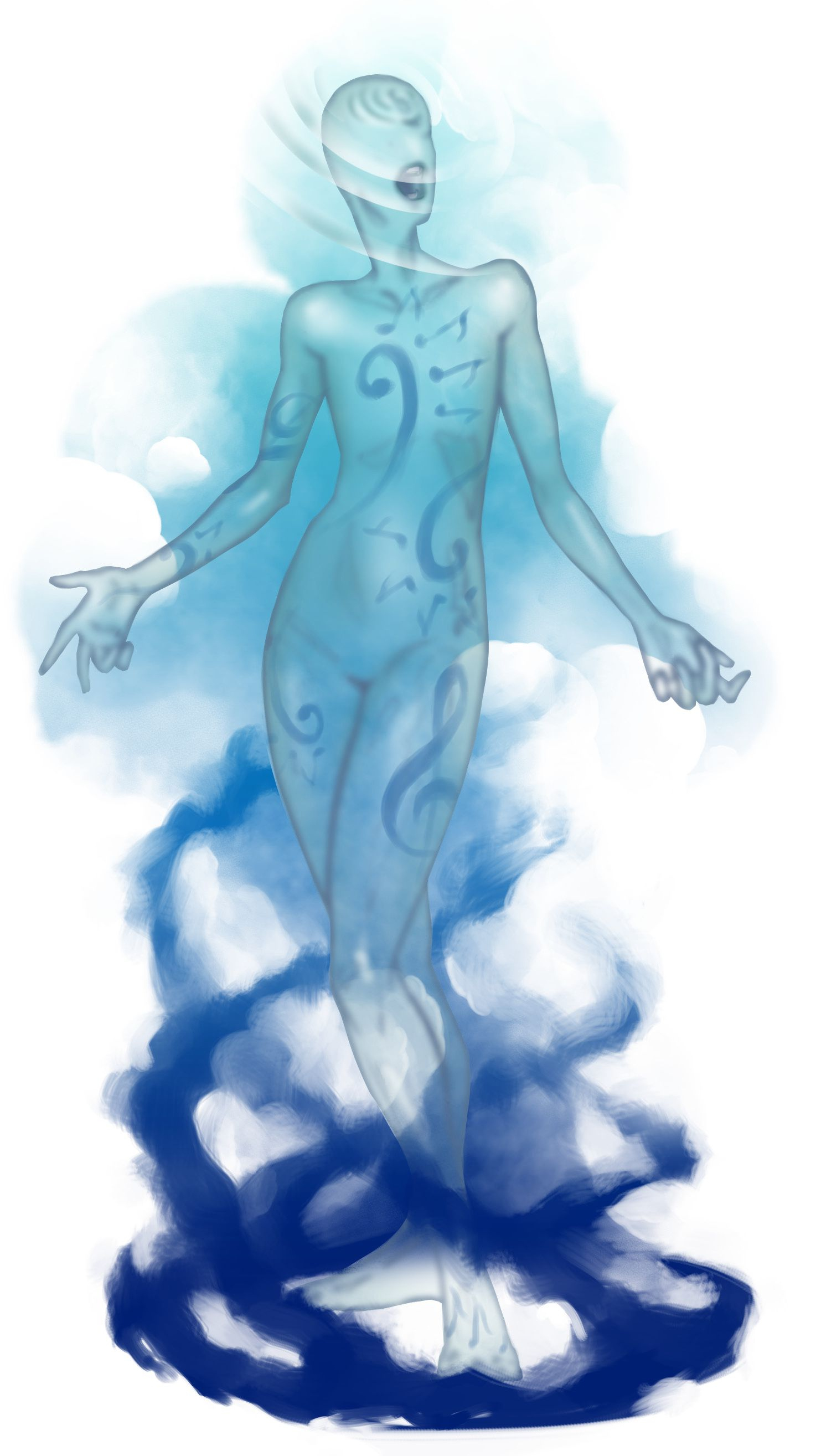
I wanted to highlight a few creatures as well from the Bestiary though there’s more than what I note here. Starting with the Animate Aria (construct 9), it makes an immediate impression as music given a physical body. It is naturally invisible, supports its allies with an inspiring aura, and can unleash a damaging crescendo. Sound disrupting magic suppresses key abilities and harms it, making the encounter reward discovering how the creature works. Its creation also has a chilling detail: the ritual consumes its instruments, which can include a singer’s voice. I can picture a beautiful performance, a missing singer, and a wealthy patron who is far too pleased with their new acquisition. That is a mystery I’d want to investigate.
The Erinys (fiend 8) is presented as the manifestation of fiendish vengeance against mortals. These creatures work across fiendish factions, and the stat block has the fiend and unholy traits without the devil trait. Their snakes become weapons, their burning gaze retaliates against creatures that damage them, and their ability to lash at multiple nearby foes makes surrounding one a dangerous proposition. That distinction in their nature is also relevant to all the options in this book that specifically target devils. An enemy being fiendish doesn’t automatically mean every devil hunting trick applies, and I appreciate a bestiary that makes us pay attention to that.
The Shadowbound Creature (shadow +1) entry gives GMs a template rather than a single monster with a 4th level shadowbound mare as its example. The quick conversion starts with a creature of at least 3rd level, raises its level by one, and adjusts its statistics, while deliberately leaving its Hit Points unchanged. Shadowbound creatures gain defenses, attacks that can affect incorporeal targets, and the ability to become incorporeal themselves, though that form prevents attack and manipulate actions. That restriction matters: the form is particularly useful for movement, infiltration, and escape. A familiar creature appearing with these changes can make the Netherworld’s influence feel immediate without requiring an entirely new species every time.
The Umbral Shepherd (shadow 5) is a possession based horror with an especially unpleasant dependency. It takes spirit damage at the end of its turns while it has no host in the Universe, but possessing someone makes that host doomed 1, increasing with each consecutive month of possession to a maximum of doomed 4. It must eventually move on, leaving a trail investigators can follow, and its possessing influence can turn a trusted person into an agent of Zon-Kuthon. Killing a possessed host also kills the shepherd, which makes saving the victim a meaningful complication rather than an incidental objective. I’d be interested in a story that follows the survivors afterward, since the book also explores the loss of purpose some experience after being freed.
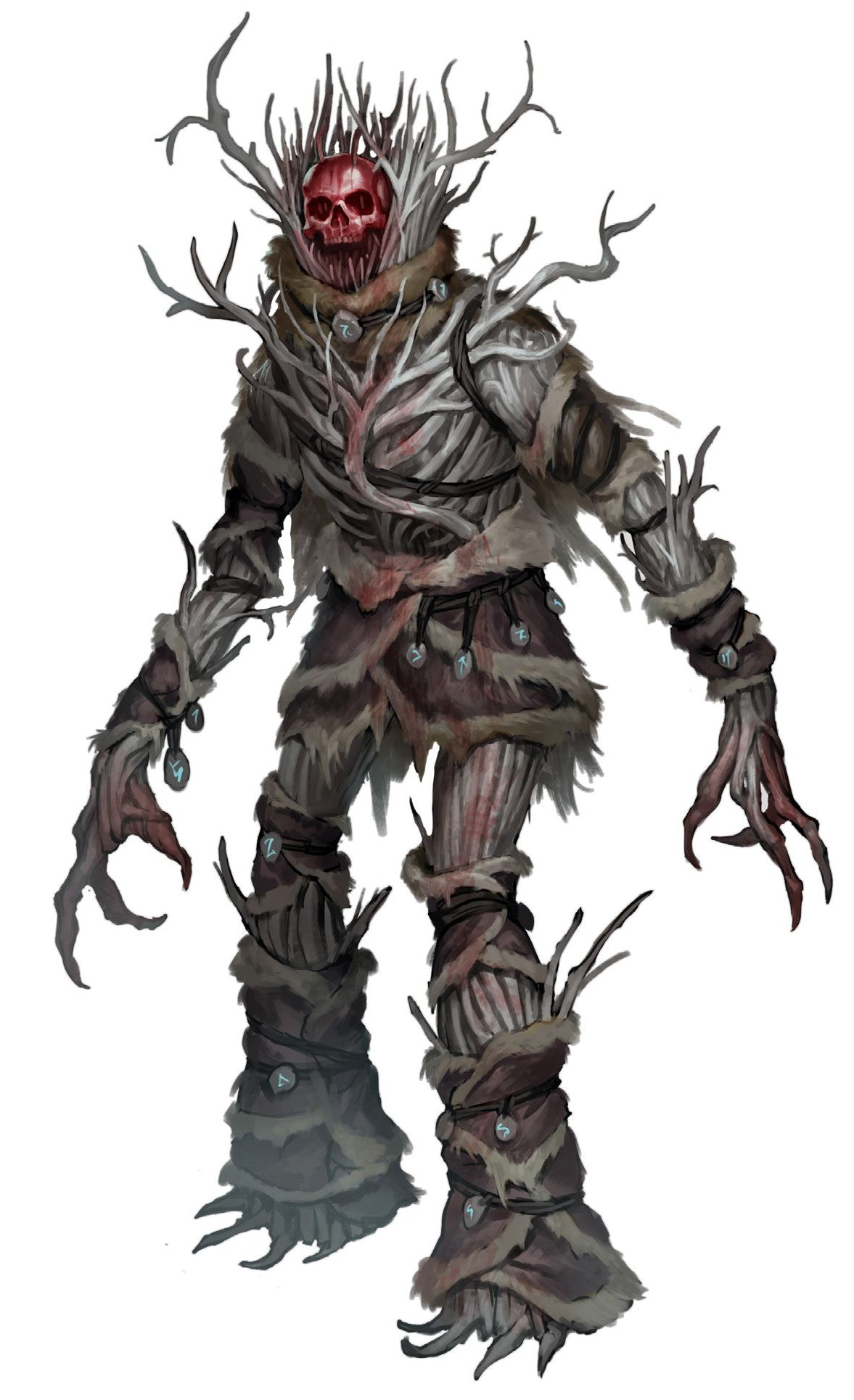
Finally, the Living Effigy (construct 11) I saved for last as it brings the Halloween spooky season vibes. It’s the horror of a corrupted grove. Made from branches, fur, and a sacrificial ritual, it controls movement with grasping vegetation, walls of thorns, and magic that brings flying creatures down. It can travel through earth and erupt along a destructive path, but it cannot leave the grove where it was created. That boundary gives players something valuable to discover and the GM a reason for the creature’s behavior. Its suggested connection to the Shades of the Uskwood also provides a useful lead for anyone who wants to follow the encounter back to the people responsible.
Future Conclusions
I love how these regional books show what a tremendous impact to Golarion events in adventures and the narrative are having. And of course I enjoy Investing In the options ahead and the lore like Abrogail’s ten year probation! I want to review the contracts she desperately needs replaced and Nidal’s secret collection of Midnight Stars. Those all suggest future conflicts over who actually controls these powers and whether their apparent permanence can be challenged! The Saga Lands currently announced for May next year will revisit Varisia and New Thassilon, so I’m curious how far north these upheavals in western Avistan will reach. That connection is my speculation, but Dave Gross’s Tender of Dreams (April 2027) already promises Radovan and Lem helping people in Egorian during the war with Andoran. That gives us a confirmed opportunity to revisit the crisis through individual lives without assuming it resolves this book’s aftermath. There’s so much here to build characters and adventures, let alone the future convos. I’m eager to hear what y’all want to explore so let me know!
Otherwise until next time, please remember to support one another, and much love to all!
Investing In:
I wasn’t quite sure what to name my article series when I first started but the idea of showcasing or discussing things that make me excited, that I find new and interesting, or maybe I’m otherwise passionate about seemed to fit with the idea of Investing In something like the Pathfinder 2E mechanic. To use some magic items you have to give that little bit of yourself, which helps make these things even better. I like the metaphor of the community growing and being strengthened in the same way!
I also want to hear what you’re Investing In! Leave me a comment below about what games, modules, systems, products, people, live streams, etc you enjoy! You can also hit me up on social media as silentinfinity. I want to hear what excites you and what you’re passionate about. There’s so much wonderful content, people, groups (I could go on) in this community of ours that the more we invest in and share, the better it becomes!
Sources
Banner – Cheliax, Infernal Inheritance cover modified, Paizo, art by Mirco Paganessi
- The Hellfire Crisis and Its Aftermath excerpt, Cheliax, Infernal Inheritance, Paizo
- Introduction banner, Cheliax, Infernal Inheritance, Paizo
- Towering Bugbear, Infernal Inheritance, Paizo
- Estlari Fetchling, Infernal Inheritance, Paizo
- Scavenger Strix, Infernal Inheritance, Paizo
- Cheliax banner, Infernal Inheritance, Paizo
- Corentyn banner, Infernal Inheritance, Paizo
- Isger banner, Infernal Inheritance, Paizo
- Nidal banner, Infernal Inheritance, Paizo
- Ravounel banner, Infernal Inheritance, Paizo
- Scorchhome banner, Infernal Inheritance, Paizo
- Animate Aria, Bestiary, Infernal Inheritance, Paizo
- Living Effigy, Bestiary, Infernal Inheritance, Paizo