
“The path isn’t just a story you follow, but a trail you create with your own choices and by being true to yourself.”1
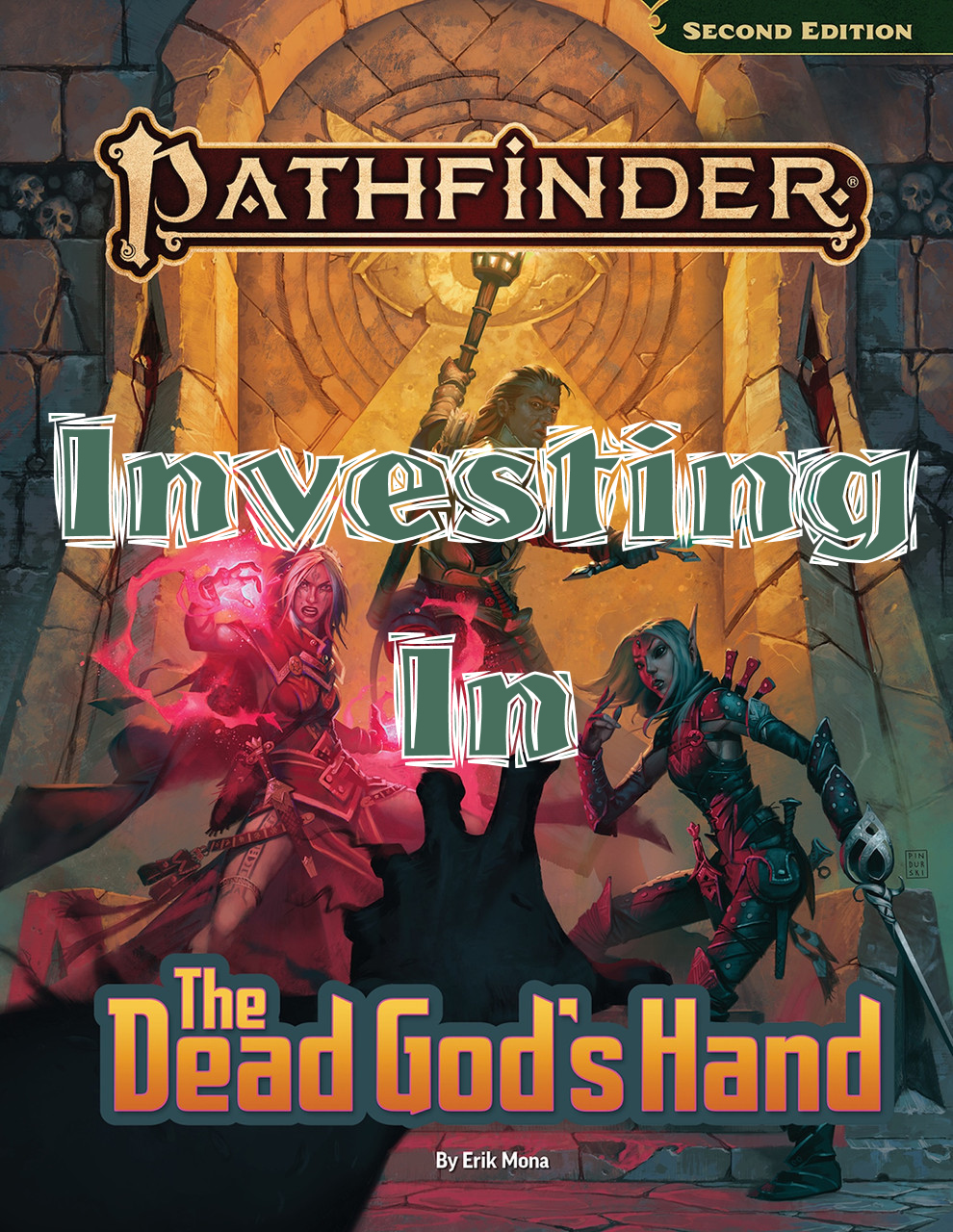
Getting kidnapped probably isn’t how most of us picture the start of a glorious adventuring career, but that’s where The Dead God’s Hand picks things up. Written by Erik Mona, this Pathfinder2E adventure is inspired by his multi group campaign he runs. It deals with that troublesome dead deity Aroden, his legacy, his impact, and the mystery around him. Ya gotta have a love hate with this guy who brought much of civilization back but did some pretty shady things with repercussions all of Golarion feels today.
So in Dead God’s Hand, characters try to escape captivity beneath Absalom and explore the long-lost Sanctum of Aroden. Along the way, there are plenty of dangerous discoveries and opportunities to get tangled up in the history of the City at the Center of the World. You’ll have things to fight, of course, but paying attention to the clues and that glorious Lost Omens lore are important. There’s some interesting NPCs I won’t spoil but helping people, and deciding what to do with everything you uncover, are as much a part of the experience as the combat. I’m always interested in an adventure that lets us get our hands on Golarion’s history and come away changed by it.
Note that I’m going to stay spoiler free UNTIL I call out a spoiler warning!
Character Options
Before we get into all those secrets, I wanted to talk crunch and mechanics for our characters. The book offers six new rare backgrounds, and I like how they give you something to want beyond surviving your first adventure. There’s even times in the adventure where it calls out folks with specific backgrounds get information automatically! The Mystery Adept, for example, hopes to attend the College of Mysteries, bringing Arcana, Academia Lore, and Arcane Sense along for the journey. The Absalom Street Preacher is literally bringing faith to the streets withs Religion, Aroden Lore, and the Pilgrim’s Token feat. Meanwhile Destined for Greatness notes your foretold greatness and maybe you feel that luck. It provides Society, Aroden Lore, and the Multilingual feat, including the option to learn Azlanti. Ambitious Knave, Esoteric Bookworm, and Puddles Carny are others you’ll have to check out!. The feats these backgrounds grant are familiar, but the ambitions are what make them work for me. Maybe your character wants an education, a little recognition, or a chance to make something beautiful. Those are good reasons to care about getting back to the city above!
Monks get a new option in Asp Stance (feat 6), a rare that belongs to an NPC so I won’t go into too much detail but I bet you can guess at some of its capabilities. If you’re looking for new rituals there is an addition here but I will not even name it yet as it has story/spoiler ramifications. Suffice to say it’s tied to Occultism and Religion so ensure your characters can delve into those skills. That probably seems obvious with this path but just in case! Choose some good backgrounds amongst your party.
The treasure has plenty to catch my interest. Aeon armor (item 2) is a suit of magical ceramic plate that holds an aeon stone in its breastplate, grants the stone’s resonant power, and counts the armor and stone together as one invested item. I already like the image of a knight carrying that little piece of magic at the center of their armor. A destiny blade (item 3) is a longsword that rewards a critical hit by giving you a +1 status bonus to saves and your victim a –1 status penalty to saves. That lasts for a minute or until you succeed at a save. It’s another nice way for someone swinging a weapon to help set up the rest of the party, and I’m very much in favor of giving the person about to cast a spell something to smile about.
Chimera’s Claw (item 4) has a different kind of flexibility: spend an action to change its active head, and you change the weapon’s damage type, traits, and additional benefits. There’s also throneglass, a rare precious material that I suspect will inspire a few character descriptions all on its own. Ancient green-glass weapons are already an appealing look, but standard- and high-grade throneglass can briefly store energy when you succeed at a save against a mental effect. Your next Strike can then force a Will save against becoming stupefied. Turning an enemy’s magic back into a problem for them gives the material a reason to matter once everyone has finished admiring how pretty it is.
You want artifacts? Oh they’re in there. There’s more than one to find actually. One is tied to Azlant. Another is tied to a hero of Absalom. There’s a rather gargantuan artifact too… Such a tease right? Well sorry, I don’t want to spoil the fun. I’m already thinking about what happens after this adventure considering all the fun you can find! The adventures ends you at level 6 so there’s more adventuring to be had. In fact, the book encourages exactly that, including consideration of who else might become interested when word gets around about what the party has found.
SPOILER WARNING
We’re getting into the adventure’s story, major secrets, and lore revelations from here. If you’re hoping to play The Dead God’s Hand, save the rest for after your adventure!
Into the Sanctum
We begin with the heroes imprisoned by Clan Orthux, hryngar followers of Droskar who have been keeping their captives compliant with memory-altering food. When a disruption gives the party a chance to escape their cell, the immediate priorities are wonderfully understandable: find your equipment, help the other prisoners, and get out before the clan finishes its dangerous summoning ritual. Their captors have been searching for the Sanctum of Aroden on behalf of someone called the Chimera, and the three-part key needed to leave the compound presents a problem. The ogre carrying one piece has already followed other escapees into the sanctum. Getting out means heading farther in, bringing along an increasingly interesting collection of fellow prisoners. Helping someone survive down here could be the beginning of a friendship that shapes the rest of the campaign.
The sanctum is where things become especially unsettling. While exploring the tomb of Sarnax, who was an early patriarch of Aroden’s church, the heroes encounter the Knights of the Aeon Star. These knights were trapped when Aroden’s death cut off their route to the surface, and eventually they died themselves. Unfortunately, Sarnax had once extracted his own evil and stored it in a ruby, and that lingering evil raised them as undead. Most of the knights still think they’re alive. They’re carrying out their duties, honoring their god, and preparing to administer the Test of Aroden as though the world outside hasn’t moved on without them. Their commander, Deravon, can be approached through conversation as well as combat, which gives the party a chance to engage with that tragedy. Trying to explain that someone’s god is dead sounds difficult enough before you also have to explain that they are.
Then the heroes get to experience the Test themselves, with one taking Aroden’s role and the others joining them through visions of his mortal life. They protect children, attempt a rescue during Azlant’s civil conflict, and face a choice of imperial successor just as Earthfall approaches. Encounters with Sarnax and Arazni also turn the attention back toward the heroes’ own qualities and possible future!. After all that, reaching Aroden’s statue brings a quiet, painful discovery: taking its hand produces no divine audience. Aroden is dead, and the hand is ordinary stone. It still matters because a god once touched it, making it useful for bypassing a barrier inside the Starstone Cathedral. Now the party has to decide what to do with it: they can leave it or maybe keep it. Do they surrender it to someone or destroy it? Of course damage to the statue or removal of its hand provokes Deravon’s ghost to combat. I like that the final decision carries consequences beyond escaping the dungeon. The Chimera’s ambitions remain, and the heroes now have something to say about them.
What We Learn
There’s a lot to take in about Aroden and Azlant, starting with the circumstances surrounding his decision to keep the Azlanti Diamond. He was the celebrated swordsmith and hero asked to help choose Emperor Xeros’s successor, and the available candidates even include Runelord Xanderghul, because apparently the situation wasn’t already bad enough. The veiled masters’ loss of control over the succession sets the scene for their catastrophic response. We also learn more about the Aeon Star, an ancient weapon brought from the Dark Tapestry and placed in orbit by the alghollthus, with the remains of an unborn planet at its center becoming the Starstone. Acavna intercepts it with Golarion’s moon, and Amaznen sacrifices himself to strip away its glyph magic, preventing the world’s complete destruction. Real gods who actually cared; I have my necromancer in the Impossible Lands game reference them often. The Test brings those sacrifices closer to the party through Iriem and Jobar, whom the book identifies as metaphors for the two gods. I absolutely loved this. It’s a magical retelling, with symbolic characters and a compressed timescale, so we have to keep that in mind when interpreting its events. What I enjoy is getting to connect the familiar history of Earthfall to people, choices, and losses the characters have actually experienced.
Arazni’s presence is really important. Her earlier echo remembers her friendship with Aroden and their work in Xopatl with such affection. Together they studied the kumaru tree and the Veins of Creation, and Aroden bound a fragment of his soul to the tree to strengthen it. That helped sustain a nation, but it also tied that nation’s future to his survival, with terrible consequences when he died. Aroden made a lot of choices… The present-day Arazni gets to challenge the faith her earlier self held so confidently, encouraging a devoted character to expect their patron to invest in them too. Investing in goes both ways! And the book directly states that she now possesses more raw divine power than Aroden ever did. That’s quite a change for someone once known primarily as his herald! I appreciate that we get to hear what she has learned as well as how powerful she has become. We still don’t learn what killed Aroden, but we’re given plenty to think about when it comes to the people who trusted him, depended on him, and had to find their own way after he was gone.
Back in Absalom, there are some uncomfortable discoveries waiting for anyone with a fondness for its institutions. The House of Secrets, which is now the College of Mysteries, helped build the Test through arcane visions and contributions from Aroden’s servants. Its wizards also trapped the real witchwyrd Laibuson inside it to supply equipment to initiates. Imagine learning that just as you’re hoping to enroll there! Helping him offers the heroes a chance to do something about the harm left behind by the people whose accomplishments they’ve been exploring. Meanwhile, the Chimera turns out to be Gulv Tevineg, Cheliax’s ambassador to Absalom, who wants the hand to further his pursuit of godhood. Cheliax always supplies a good run of deranged political villains… Razmir wants it for the same reason; I thought he was a god! Ha! He has Prince Thorgrim working on his behalf. You see the adventure confirms that Razmir has never actually passed the Test of the Starstone (shocker) and now intends to try.
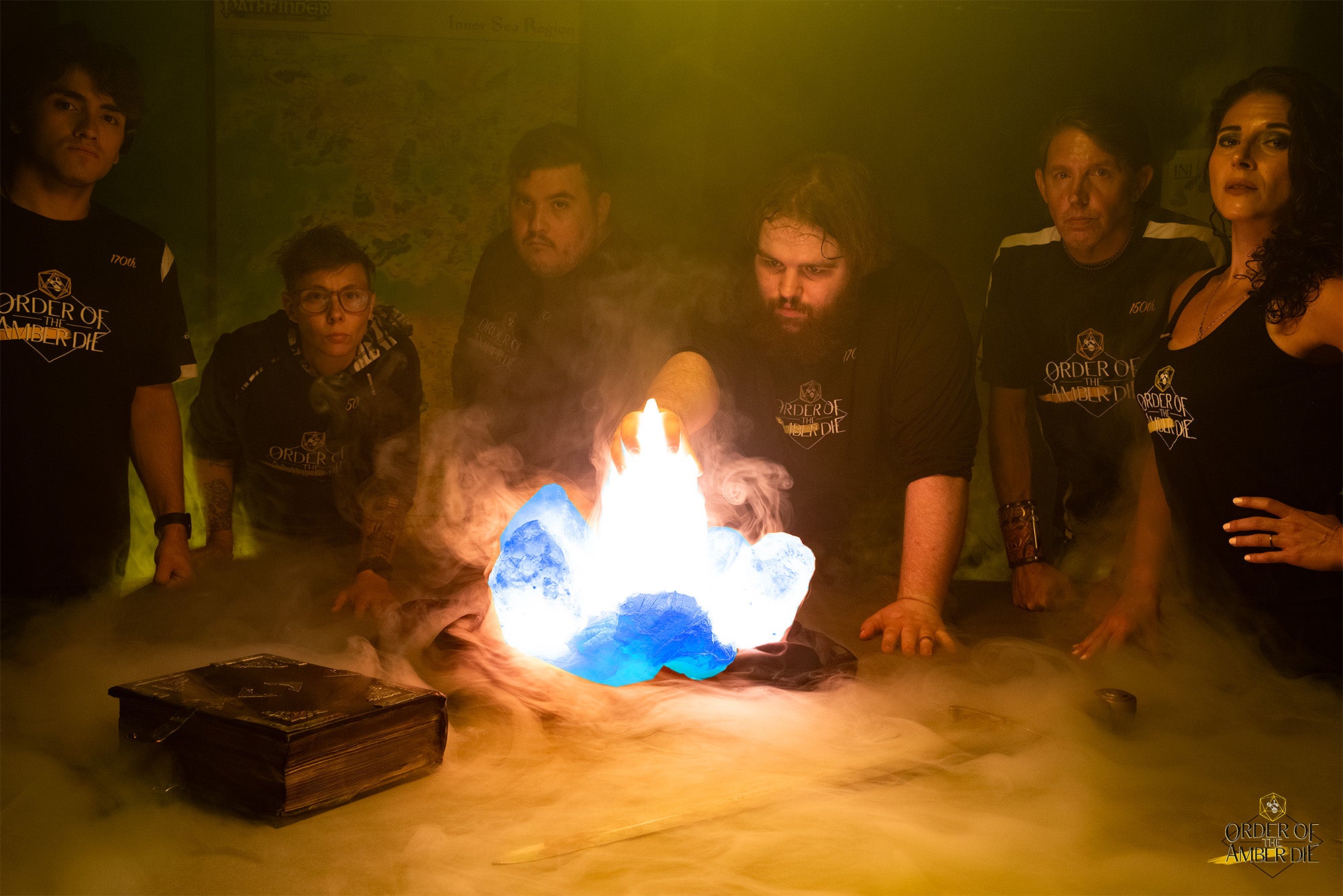
All of this leaves me thinking about what a wonderful beginning this could be for a longer campaign. The party comes out of the dungeon with friends/enemies, secrets, and a reason to care about who gets their hands on the city’s past. I’d be very interested to see what they do with their own futures. I highly suggest you invest in The Dead God’s Hand even if it’s to use for partial campaign influence, but playing it reads amazingly. In fact, our friends at Order of the Amber Die have been playing it. Check out the crew below and more amazing pics, and their story thus far, on the blog! Maybe we should get them live for a chat, eh?
Until next time, please remember to support one another and, of course, much love to all!
Investing In:
I wasn’t quite sure what to name my article series when I first started but the idea of showcasing or discussing things that make me excited, that I find new and interesting, or maybe I’m otherwise passionate about seemed to fit with the idea of Investing In something like the Pathfinder 2E mechanic. To use some magic items you have to give that little bit of yourself, which helps make these things even better. I like the metaphor of the community growing and being strengthened in the same way!
I also want to hear what you’re Investing In! Leave me a comment below about what games, modules, systems, products, people, live streams, etc you enjoy! You can also hit me up on social media as silentinfinity. I want to hear what excites you and what you’re passionate about. There’s so much wonderful content, people, groups (I could go on) in this community of ours that the more we invest in and share, the better it becomes!
Sources
Banner – The Dead God’s Hand cover modified, Paizo, art by Hugh Pindur
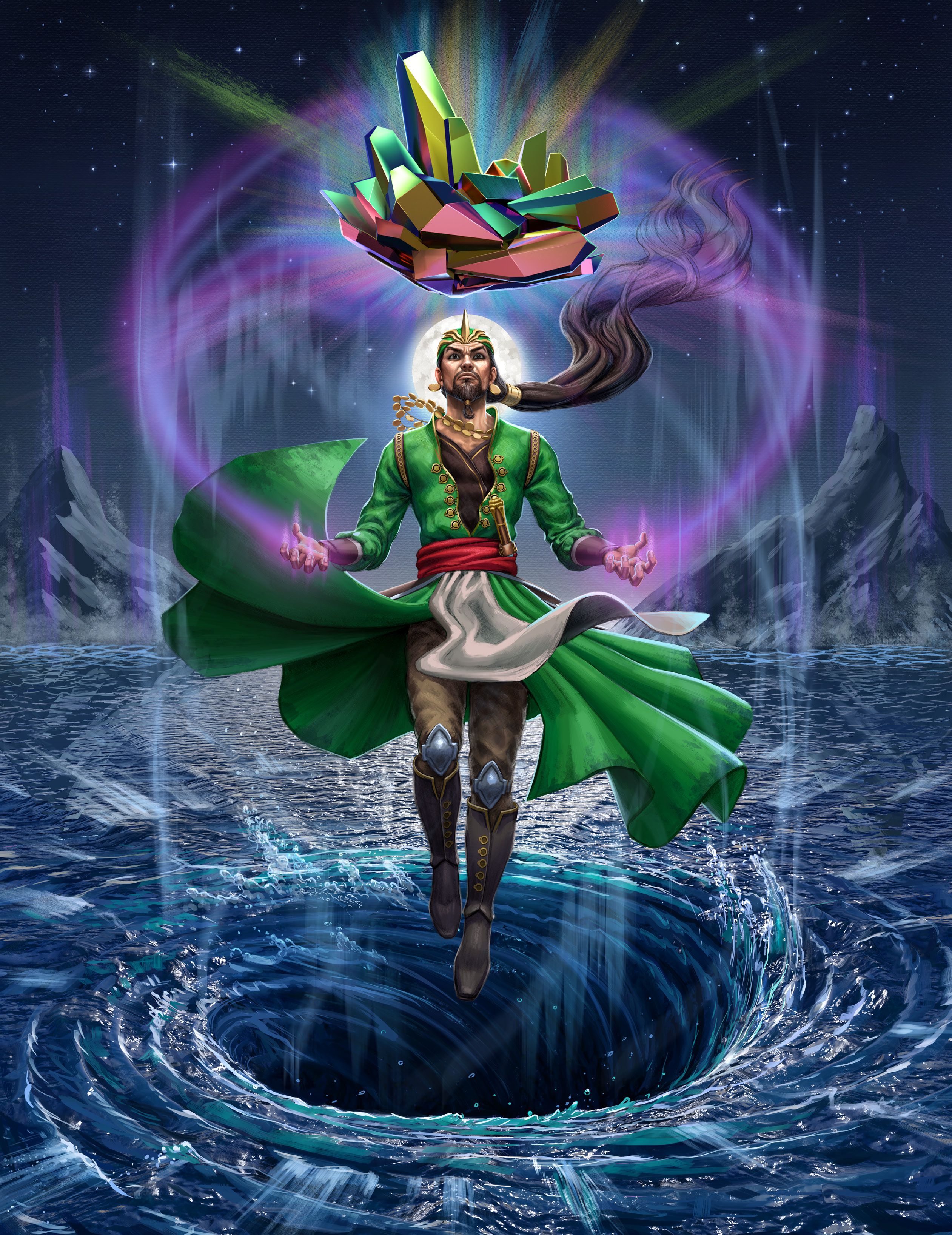
- Chapter 3: Test of Aroden excerpt, The Dead God’s Hand, Paizo
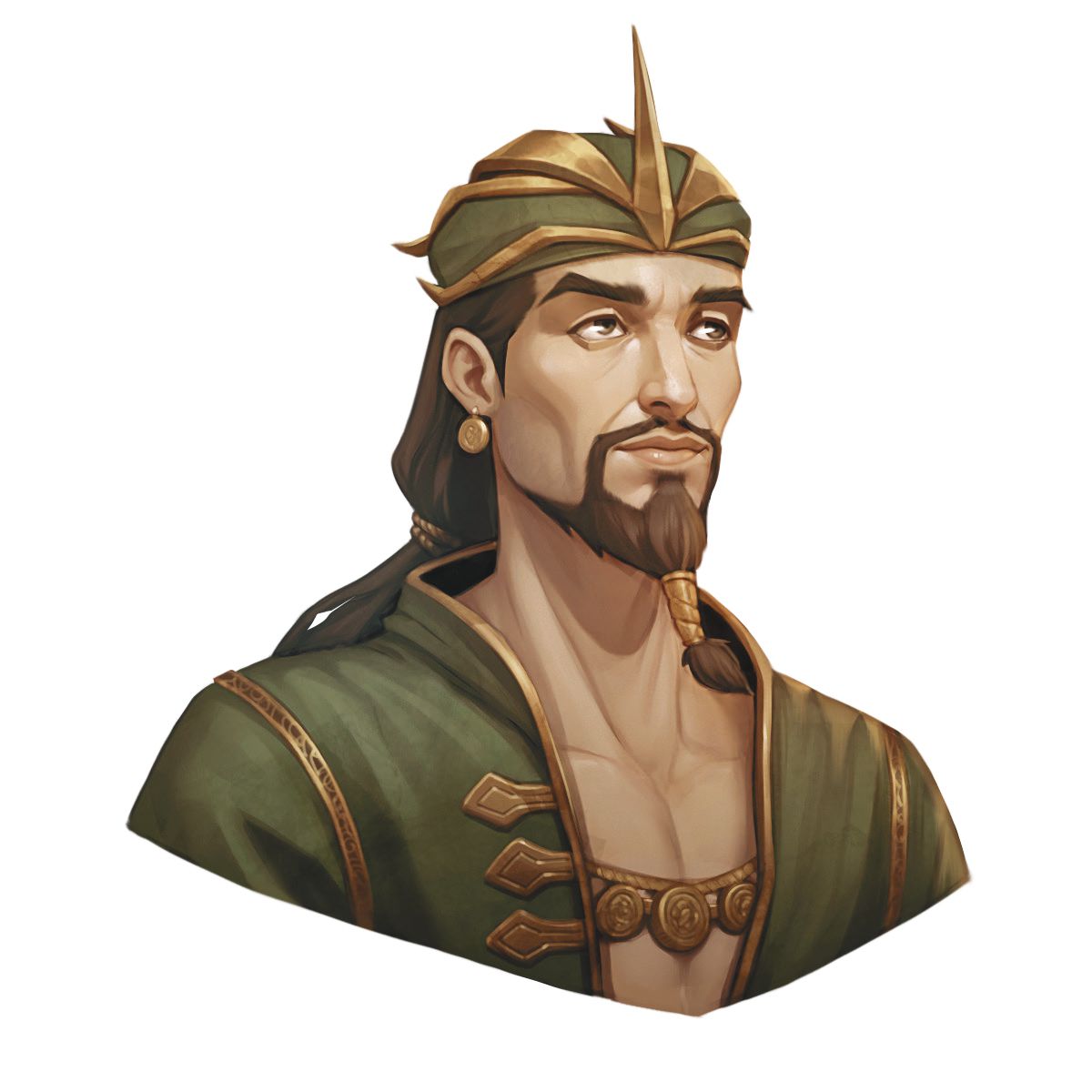
- Aroden bust, Introduction, The Dead God’s Hand, Paizo
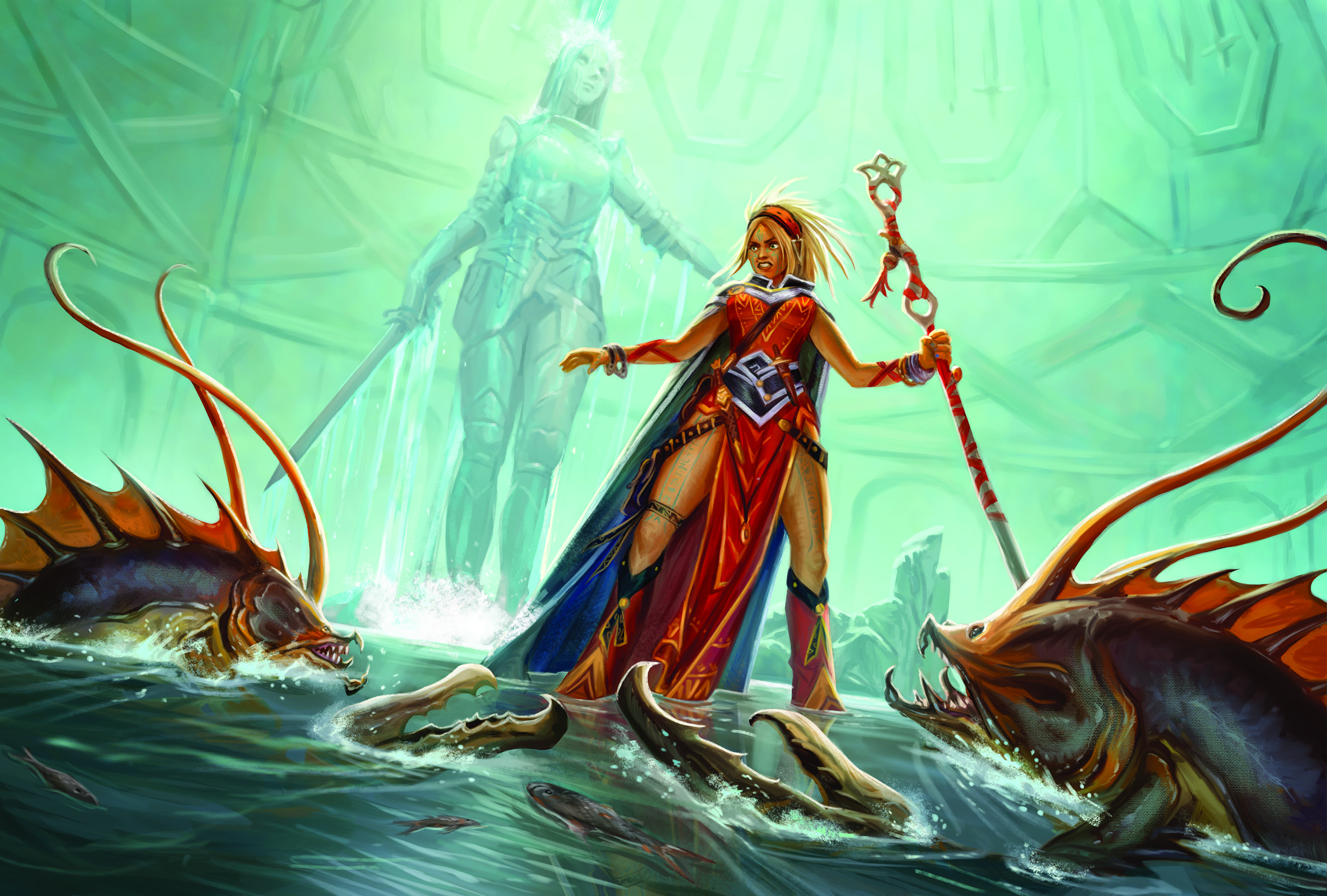
- Chapter 2: The Lost Sanctum banner, The Dead God’s Hand, Paizo
- Introduction banner art, The Dead God’s Hand, Paizo
- The Starstone, Order of the Amber Die, Paizo Blog The Dead God’s Deliverance Part 2