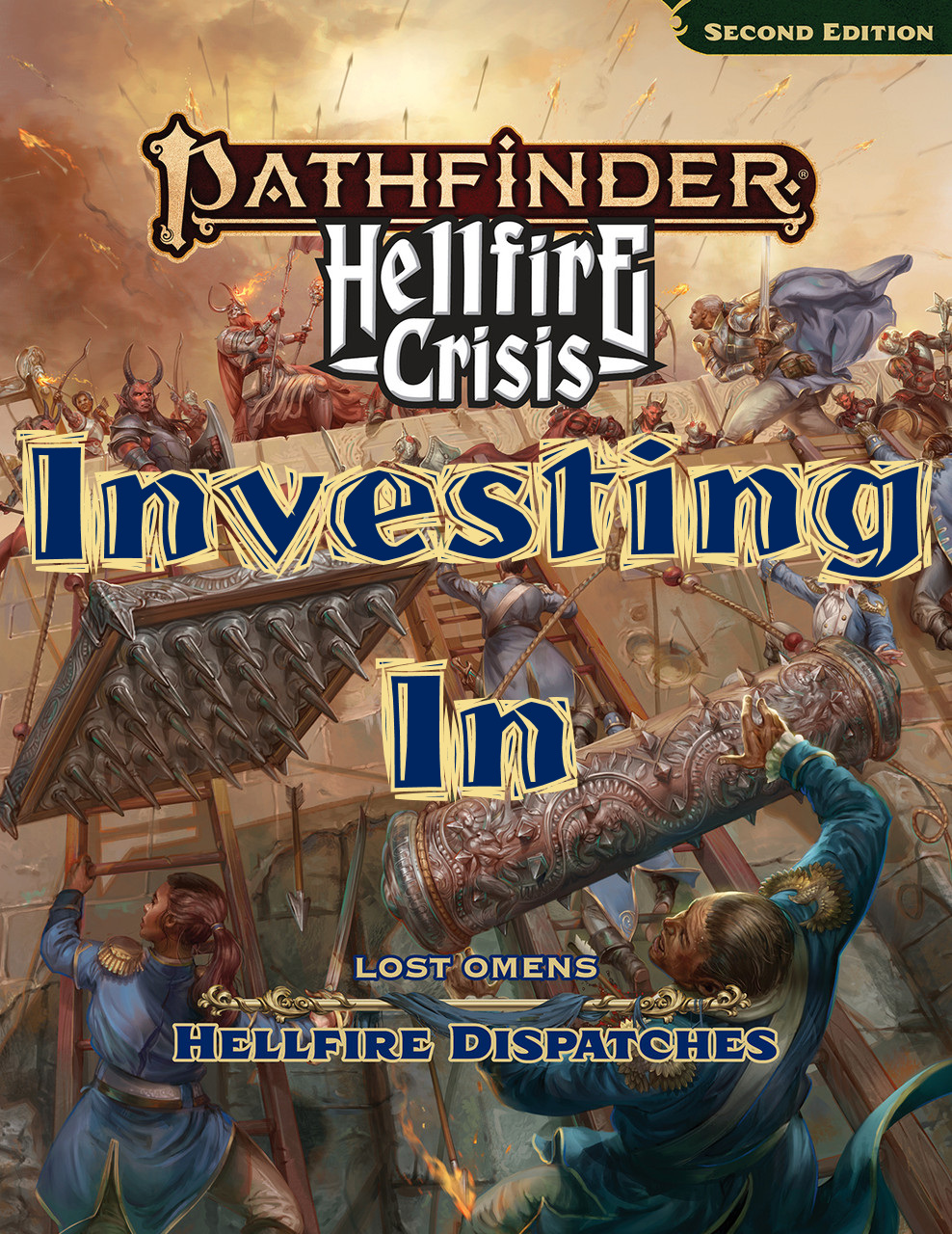

“EXTRA! EXTRA!
A single spark has grown into the Hellfire Crisis, embroiling an entire region into the war between infernal Cheliax and its former holding of Andoran. Dispatches from each front reveal the past and present of the war, along with how the future might be changed by the right group of heroes. From the front lines to backroom intrigue and from grim reality to fantastical struggles, these dispatches cover the full range of the Hellfire Crisis.”1
War is upon us. As I said last time, talking of the Hellbreakers Toolbox, it is rather timely. Am I a person to say violence is never necessary? No, because I believe there are always evils out there who will exploit weakness when possible and sometimes violent responses are required. But war? War is for the powerful, the rich, the commanding, making use of others for their corrupt desires. They play games with others lives; we play games to save them. Again, how timely this is as Trump spreads his madness. But I’m not here to complain about that despot, much as Queen Abrogail Thrune II he might be.
Instead, today we’ll delve into the Hellfire Dispatches and the ramifications of Gorum’s death and war, starting and spreading across the Inner Sea. This book feels like someone kicked open the door, shouted “everything is on fire,” (much like our country’s leadership), and then had the good sense to show you what that means beyond the generals and queens, but for the ordinary people. This book is not content to say a war started. It wants to show you how war changes ports, taverns, trade routes, rebel cells, border towns, old grudges, and the way people talk about tomorrow.
Hellfire Dispatches makes the Hellfire Crisis feel big, messy, and personal. How wonderfully Pathfinder. You have infernal empires, freedom fighters, devils, spies, privateers, opportunists, and idealists all smashing together, but what makes it sing is that every front feels different. Cheliax and Andoran are at war, and this book lets you see what happens when war refuses to stay where it started.
News of War
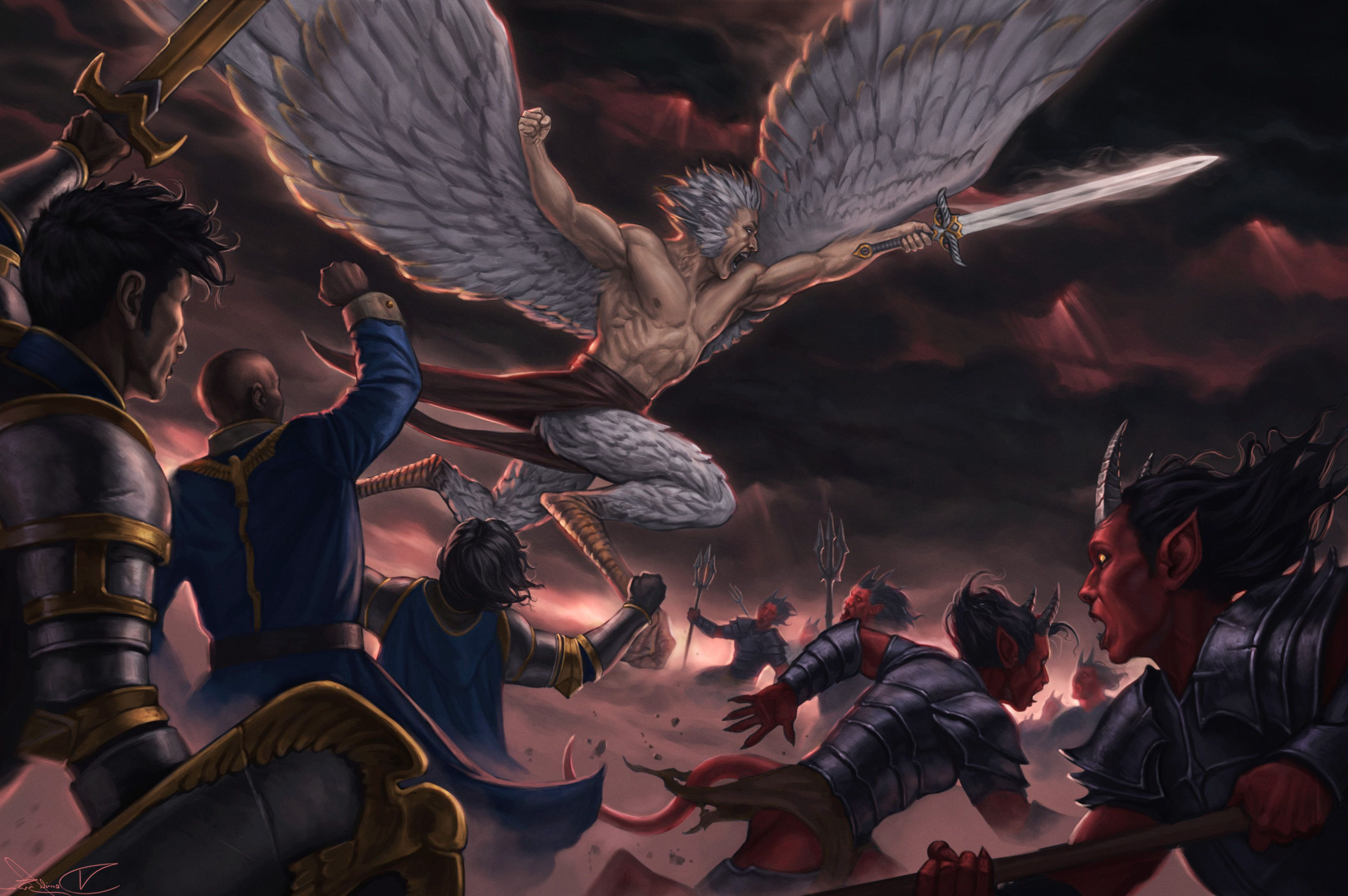
The opening chapter does a terrific job of making the Hellfire Crisis feel like an event rather than a premise. It starts with the execution of General Reginald Cormoth, ties that to the Order of the Rack and Queen Abrogail Thrune, and then immediately widens the lens. Cheliax finishes the Aspodean Wall with infernal magic. The Eagle Knights take Breachill from Hellknight control thankfully as I finished Age of Ashes and Breachill is dear to me. Kierothax, a diabolic dragon with ties to Thrune, shows up to remind everyone this is still Cheliax. Then the whole thing keeps escalating until it becomes clear that no nation in the region gets to pretend this is someone else’s problem.
The bit that really grabbed me here is how quickly the war starts reshaping power structures that once looked stable. Abrogail declaring all Hellknight orders under her control is exactly the sort of move that sounds clean and decisive on paper, and then immediately reveals fractures everywhere. The Order of the Nail refuses to be used as a pawn. The Order of the Torrent rejects her outright. The Order of the Scourge splinters, with Ivo Elliendo elevated while Toulon Vidoc effectively becomes a living accusation against Cheliax itself. That is fantastic lore fuel because it means that war is forcing institutions to reveal what they really are. Dear America, take note, eventually military forces should stop and say no.
I also love how this chapter keeps showing the war leaking outward. Rahadoum’s Karsakim and the Pure Legion treat Khari as a chance to reclaim territory and push back against divine tyranny. Absalom declares neutrality while Cheliax tightens its grip on the Hespereth Strait. Nidal starts to crack from within as Horselord Iriatykis rises under the light of a warshard. Molthune goes from militaristic rival to something even uglier and less controlled, with popular bloodlust and hints of the Rider of War’s influence pushing the nation beyond sober strategy and into regional contagion. Even Taldor’s “neutrality” starts to look like the kind of neutrality that still kills people.
Of course there is the personal, I guess human angle. Evalira Caldis’s letter from the front is one of those pieces that reminds you this book understands what war stories are for. Sure there are troop movements (even troop stats) and named villains, but it’s more than that. A sailor writing home, hoping the baby is born into peace, only for the editor’s note to tell you she died a hero. That stuck with me, and perhaps it’s reading it while America bombs Iran and kills citizens that I’m even more affected by it. And yes, I mean Iranian citizens not just our own. This is the sort of detail that makes the whole conflict feel more tragic, more grounded, and much more usable at the table.
Past the newspaper-style reporting, the leadership and organization overviews deepen things beautifully. Abrogail Thrune II feels as dangerous as she should. Gorthoklek lurks where you want him to lurk. Andira Marusek and the Eagle Knights make Andoran feel idealistic without making it feel naive. The Fronts and Future sections are especially good at underscoring that nobody gets out of this clean. I won’t spoil anymore detail there for games playing at Hellfire. Every possible future seems to involve somebody overreaching, somebody breaking, and somebody else trying to survive the consequences.
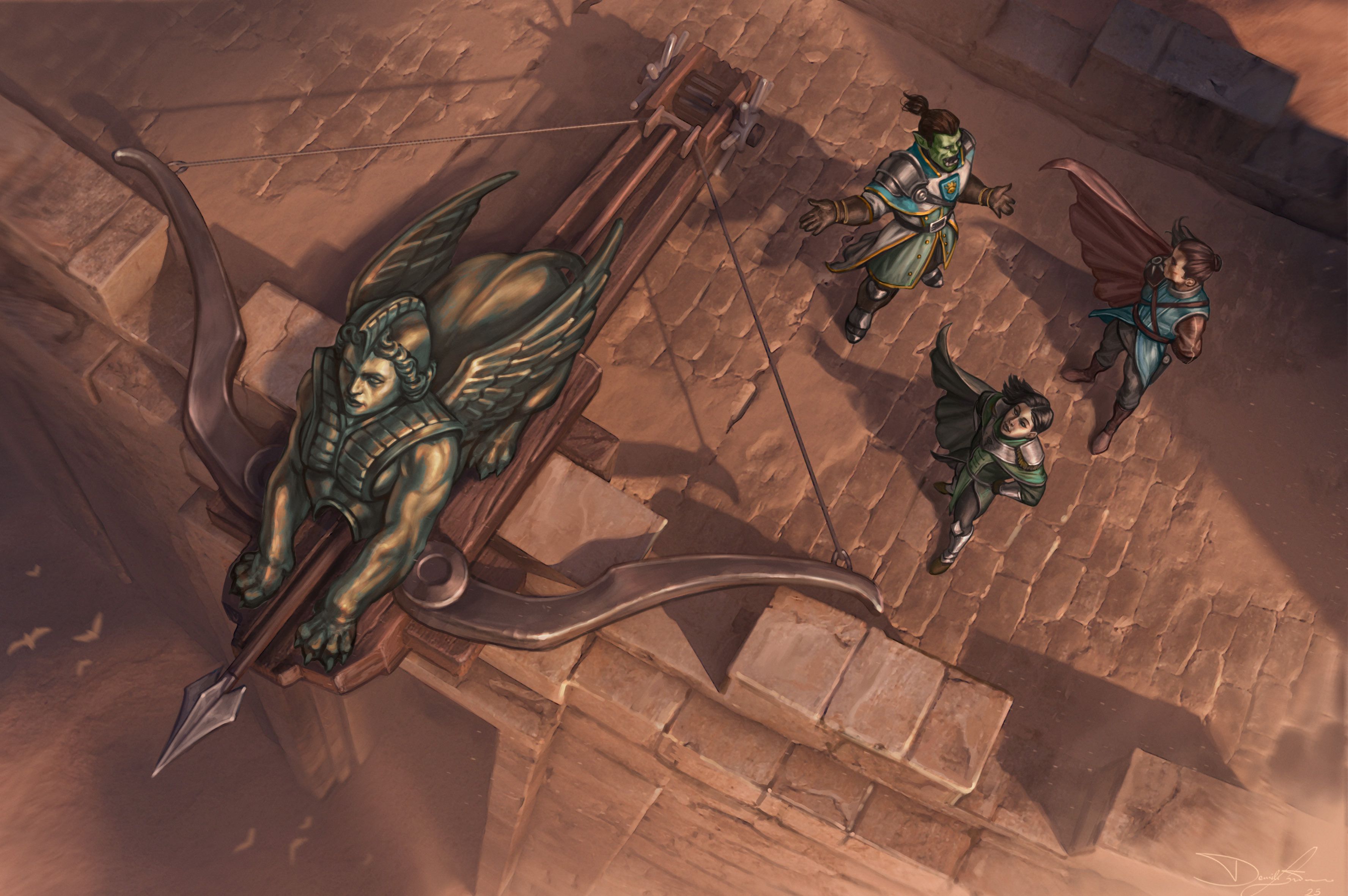
Absalom Dispatches
News of War is about the conflict exploding outward while Absalom Dispatches is about what happens when the so-called center of the world decides it would very much like to remain above the fray while everyone else uses its streets and ports as battlegrounds anyway. Absalom’s neutrality does not make it peaceful. It makes it crowded with agendas. That is a much more interesting choice. The war in Absalom feels like whispers over drinks with quiet diplomatic pressure, while others travel hidden networks with the constant possibility that one wrong move will turn the city from neutral ground into a prize.
I especially like how the section frames the city as a place where larger threats and immediate politics collide. You have figures like Acting Primarch Wynsal Starborn trying to hold the line on neutrality, Andoran’s Augustyn Naran trying to move opinion, Ravounel’s Vita Aulamaxa bringing that distinctly Ravounel blend of culture and resistance, and then grimmer forces like Voradni Voon making it clear that Absalom’s internal security is not exactly a solved problem. It makes the city feel less like a stable hub and more like a pressure vessel.
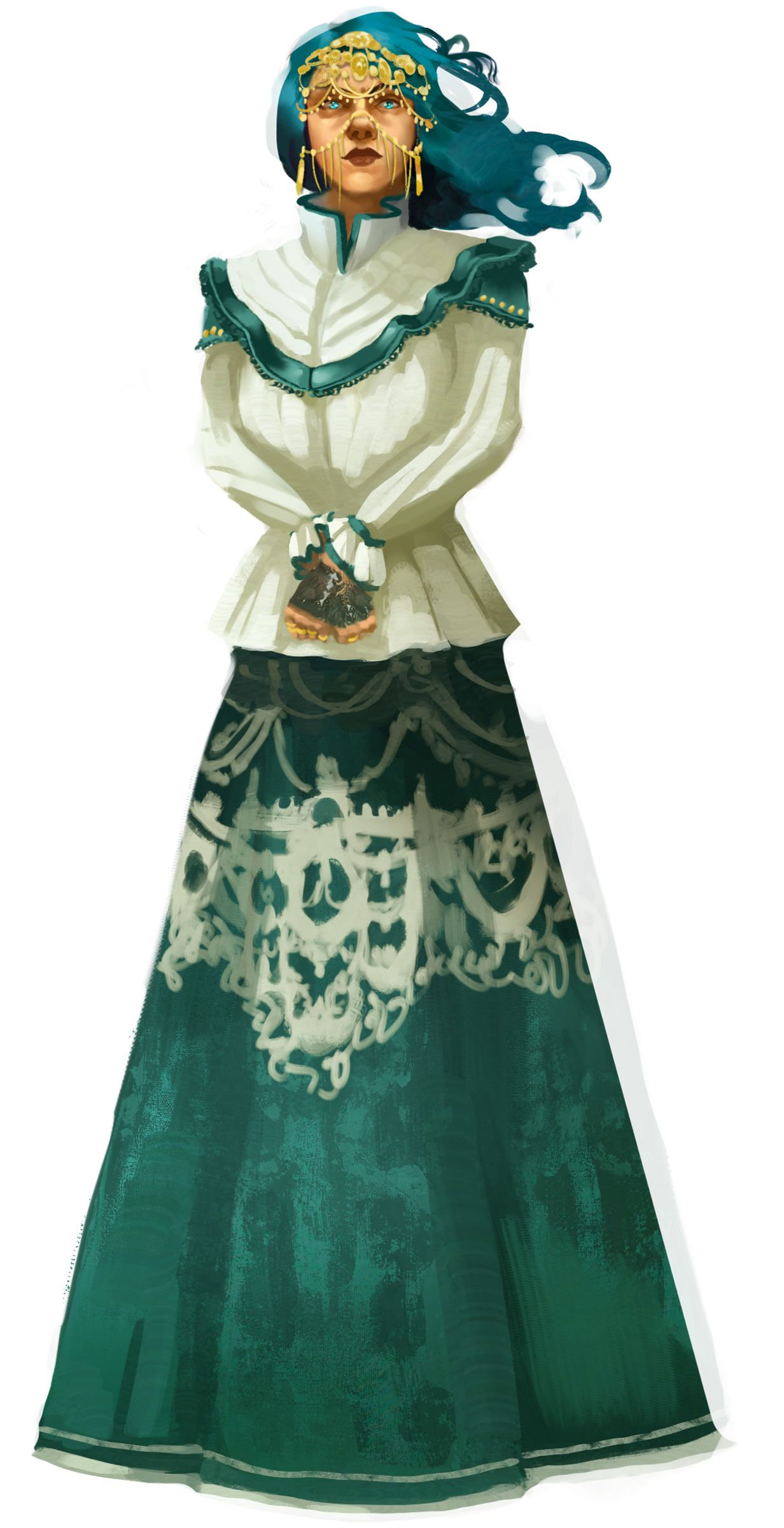
As is normal for a lore heavy tome, we still get some fine mechanics. The Absalom Dandy is exactly the sort of archetype I enjoy seeing in a book like this because it understands that social power is still power. In a war full of devils, privateers, and siege lines, this archetype says that being the right person at the right salon, having the right gossip, playing the right game, and weaponizing poise can matter. That is deeply Absalom especially for the current times. It also feels like one of those archetypes that quietly tells you what kind of stories Paizo wants you to imagine in this setting: of course epic battles, but influence campaigns, coded conversations, and theatrical manipulation in expensive clothes.
The Starstone Aspirant, meanwhile, is one of my favorite bits of flavor in the book. It takes one of Golarion’s most mythic pieces of setting lore and turns it into something strange, hopeful, a little delusional, and incredibly compelling. I love that it goes beyond someone wanting to be a god someday to “I am shaping my whole life around the possibility that destiny might still be listening.” In a book about nations trying to control the future, an archetype built around personal apotheosis is such a clever thematic fit. It makes Absalom feel like Absalom: a city where politics, ego, and impossible ambition all share the same skyline. I suppose there’s a touch of faith there too.
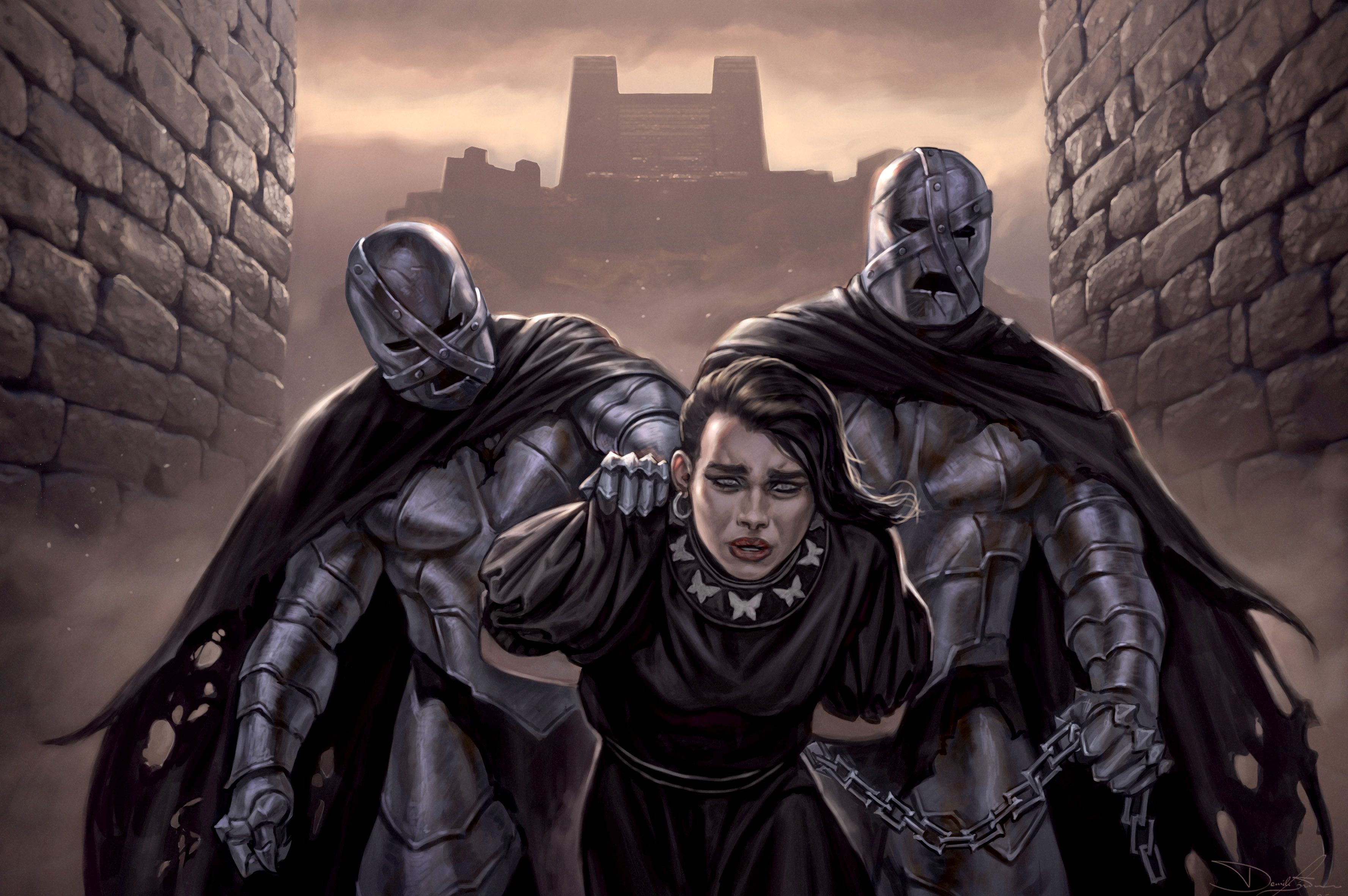
Dispatches from the Arch
The Arch material is miserable in the best possible way. Khari and Corentyn feel like places where daily life has been slowly poisoned by occupation, surveillance, and the knowledge that trade routes are now war routes. This is not the clean grandeur of armies meeting in the field. This is blockades, disappearances, informants, and city life warped by the needs of empire. You can feel the stress pressing in on every paragraph.
I really enjoy that this section keeps the political history alive. Khari is an old wound. Rahadoum’s claim is not treated like background trivia, and that gives the entire front a sharper edge. This is not merely Cheliax versus Andoran spilling sideways. It is a chance for Rahadoum, the Pure Legion, and anti-divine politics to step directly into the crisis. That broadens the ideological scope of the war in a way I appreciate a lot.
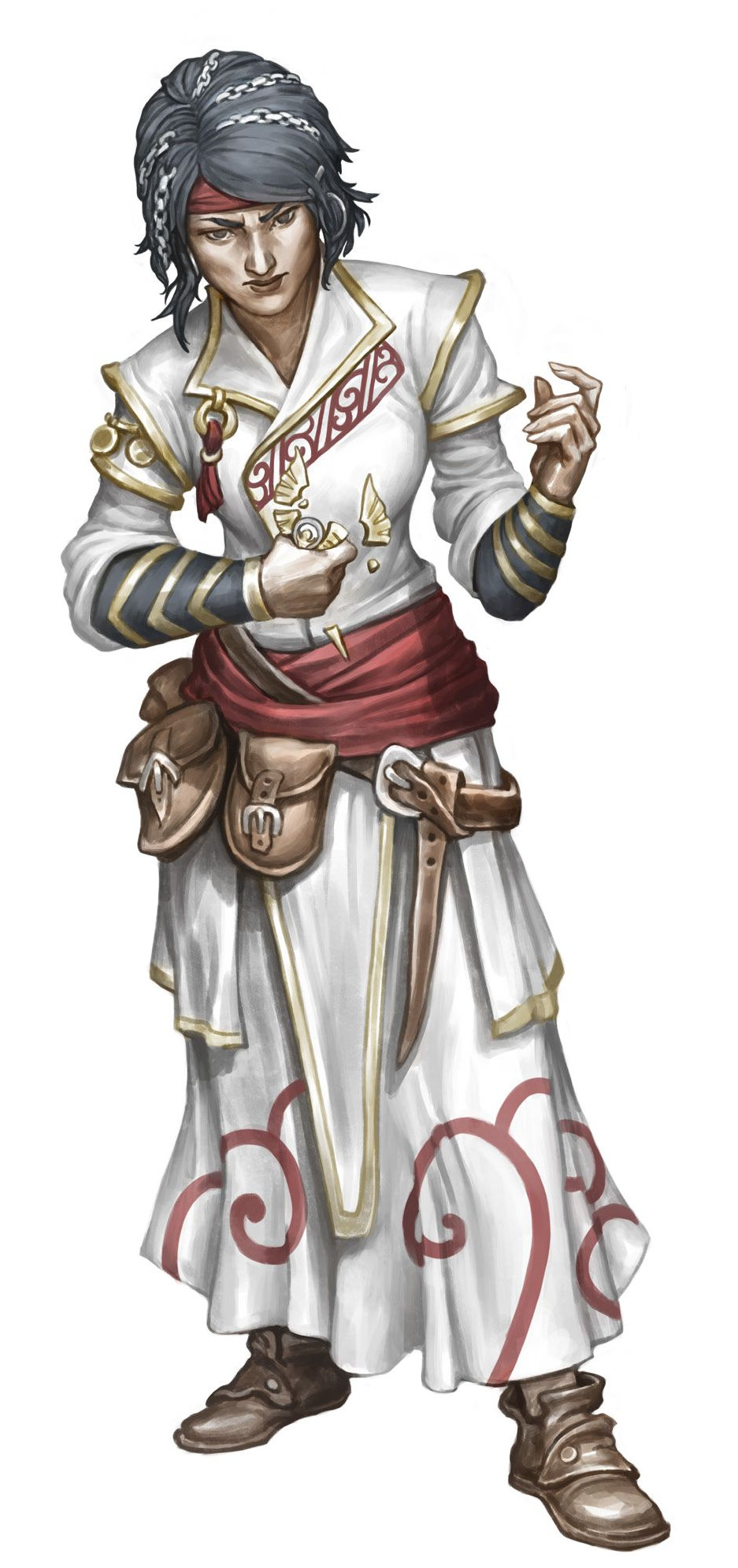
The named NPCs do a lot of work here too. Karsakim being involved immediately gives the front a hard, uncompromising identity. Kassi Aziril reads like the sort of useful ally Cheliax would absolutely hate as has been true for a while. And the local leadership on the Chelish side helps the whole place feel like a city held together by fear, policy, and the assumption that people will submit because the alternative is worse. It’s deeply effective.
Mechanically, the Pure Legion Enforcer is great because it does not water down Rahadoum’s worldview. This is not a generic anti-priest archetype tossed into the book because the front needed a mechanical option. It is a true expression of the Laws of Mortality, built around hostility to divine interference itself. That makes it immediately flavorful, but also one of the clearest examples in the book of war radicalizing identity. The Hellfire Crisis is pushing people into sharper versions of what they already were, and the Pure Legion Enforcer absolutely feels like that. Some of those later feats, like shutting down divine casting or punishing creatures for leaning on divine power, really sell the fantasy.
Dispatches from the Wall
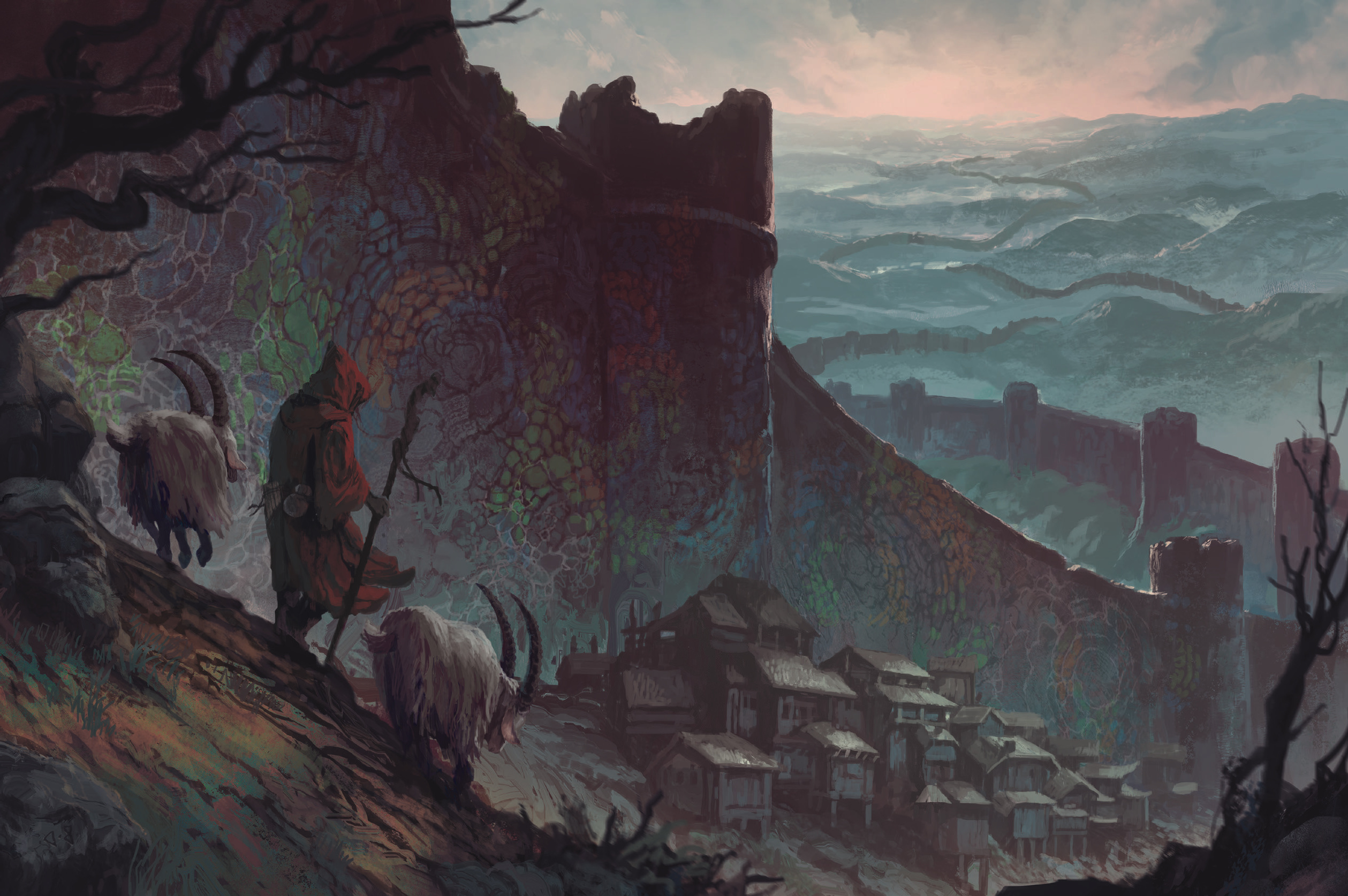
This section might be my favorite pure place writing in the book. The Aspodean Wall could have been simply a war map feature. Instead, it becomes this almost absurd local obsession that curdles into dread. For years, people watched Brastlewark’s gnomes build it in fits and starts, changing designs, turning it into a joke, and inviting mockery. Then Cheliax finally decides to finish the thing with infernal power, and suddenly the punchline becomes the problem. That is such a good transformation.
I also like how the war here feels granular. Not one great battle, but attrition. Raids. Pressure. Little communities and local economies getting squeezed while soldiers, engineers, and dissidents all try to work around a structure that should never have become this important. The hints of Brastlewark dissent are especially juicy. “The Crow” is exactly the kind of little thread I love seeing in a Lost Omens book, because it tells you that even in a front defined by fortification, the real vulnerability might be political.
And honestly, that is the broader lore success of this section. The Wall has purpose beyond Cheliax protecting a border. It is Cheliax trying to impose permanence. Control. Shape. Order. And the book keeps answering with the same quiet response: yes, but people live here. They gossip here. They smuggle here. They defect here. They sabotage here. Your wall blocks people but people matter more. Walls only work when respected.
Fangwood Dispatches
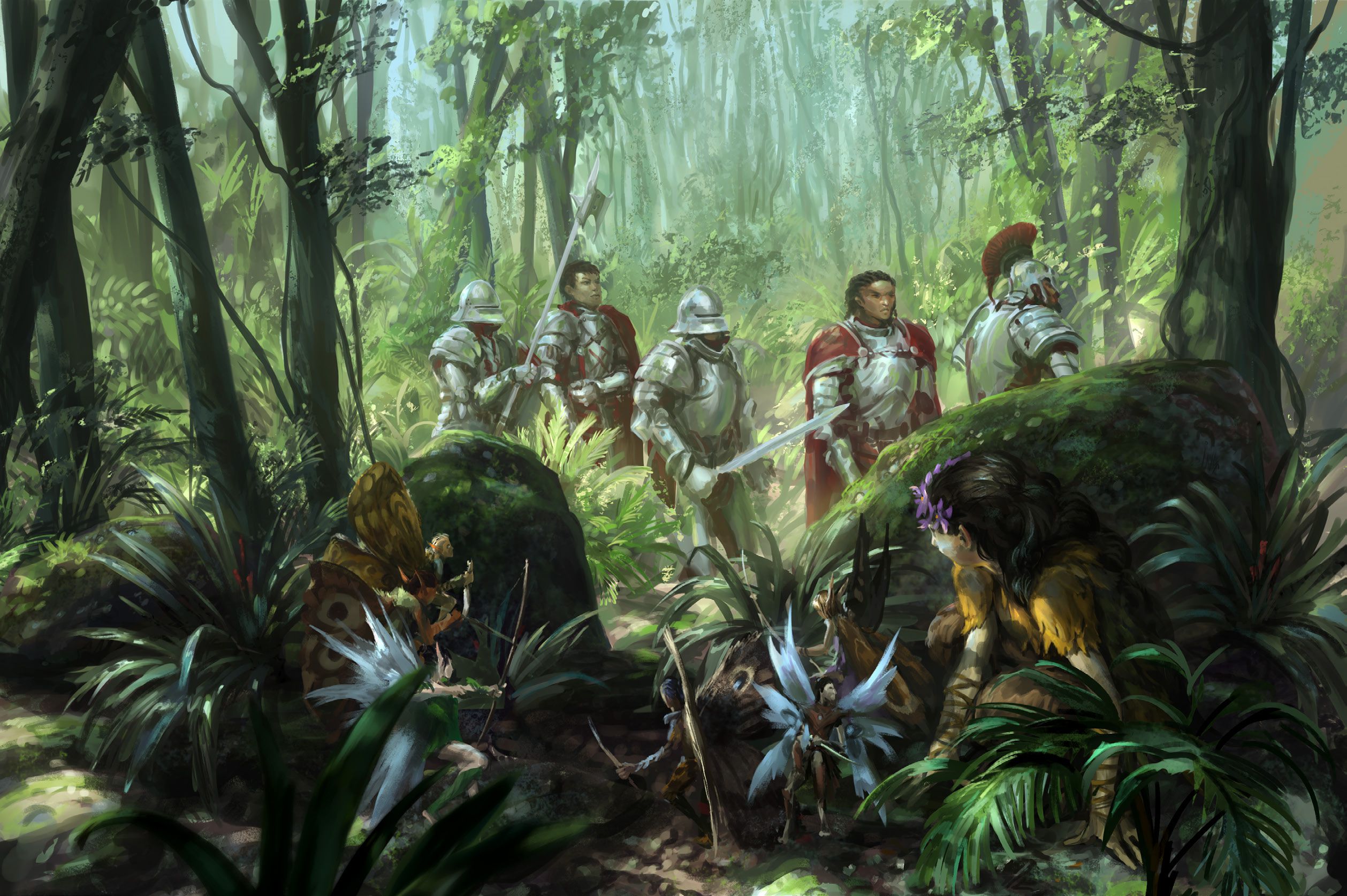
Fangwood is where the book gets to blend military crisis with the broader supernatural weirdness of the Inner Sea, and I mean that as a compliment. The war here goes beyond Molthune and Nirmathas hating each other again. It is old regional trauma, the shadow of the Gravelands, the possibility of outside manipulation, and the sense that every alliance around Lake Encarthan is being tested at once. Fangwood feels less like a side front and more like a place where multiple unfinished catastrophes have decided to overlap.
There are some really fun lore pieces here. Kieran of House Graytree brings in the Lastwall and Crimson Reclaimer angle, which immediately makes the whole front feel like it belongs to a post–Whispering Tyrant Golarion rather than some isolated forest war. The Encarthan Alliance context matters. The suggestions that Molthune’s frenzy may be tied to Szuriel matter. And Courage Heart’s presence adds a genuinely hopeful note without ever making the section feel safe. That balance is hard to pull off, and I think it lands.
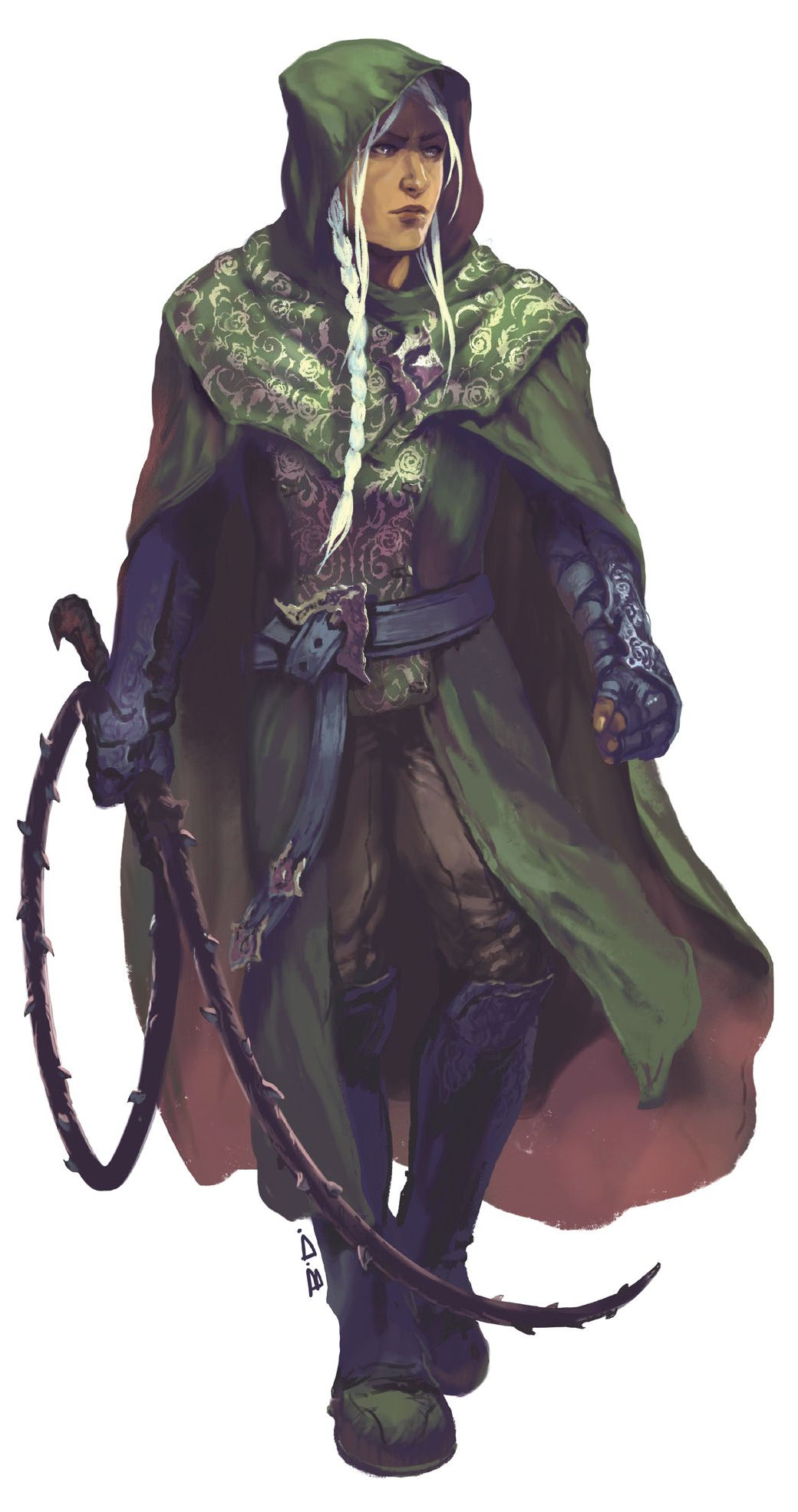
The Rose Warden is a wonderful archetype for this front because it gives Milani’s rebellion a face that is rage taken to protection, solidarity, and movement. I love Milani as a goddess, featured heavily in our Strange Aeons game due to one of our PCs and of course Lady Aldori worships her as found in the Kingmaker path. In a book about war, an archetype that frames resistance as defending people rather than merely hurting oppressors feels exactly right. And some of the feats are dripping with theme. Wall of Roses (level 8) is the sort of image that sticks with you, and Rise Up! (level 12) feels like it belongs in the middle of a speech, a jailbreak, or the last desperate push of an uprising. This is one of those archetypes that does not merely function well. It tells you what sort of hero this section wants to celebrate.
Inner Sea Dispatches
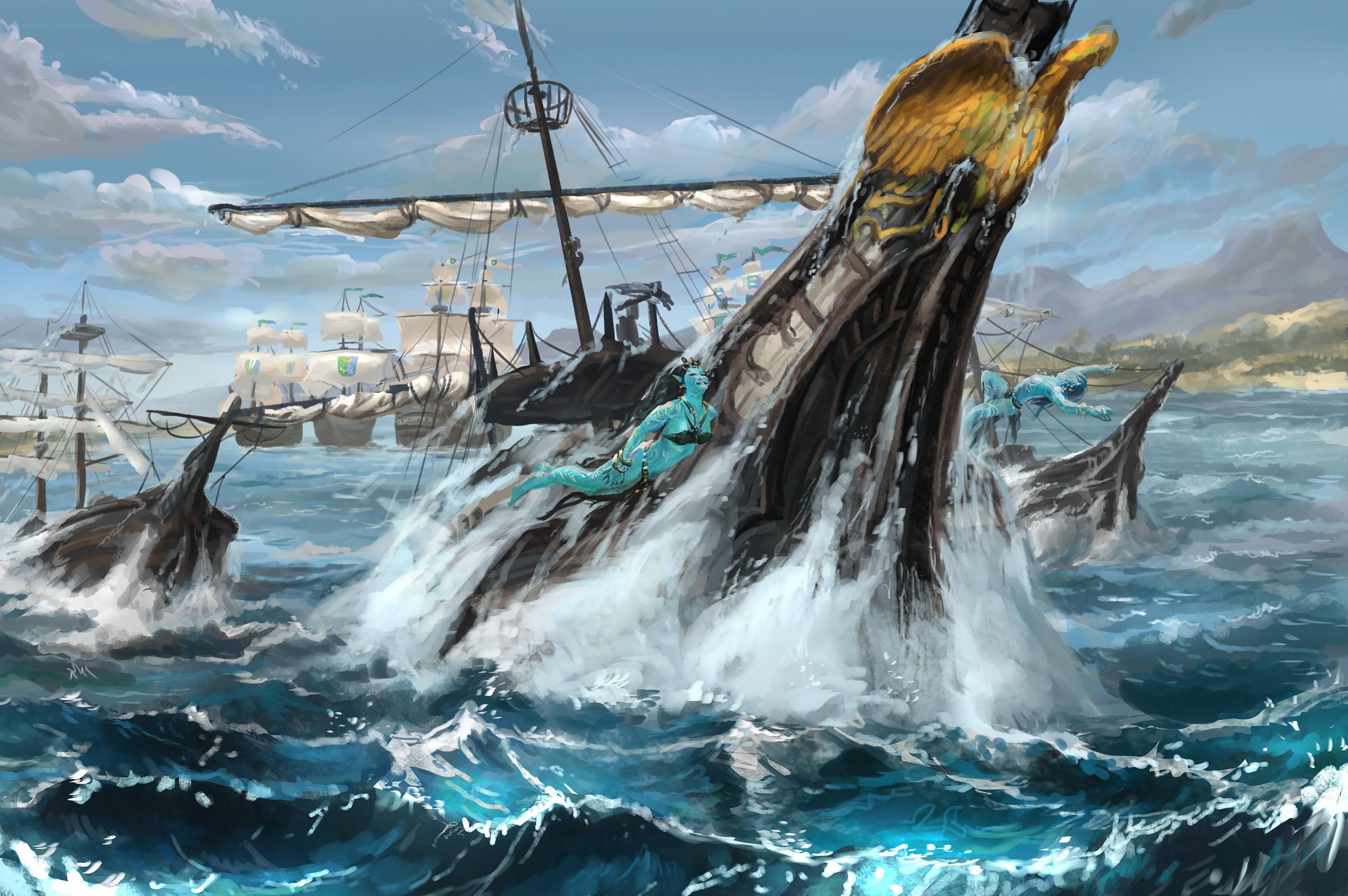
The Inner Sea chapter is where the scale of the crisis really clicks. War at sea changes everything as we know. Prices rise. Rumors matter more. Every sail on the horizon becomes a problem, a fear. Merchants become unwilling analysts of grand strategy because their livelihoods depend on whether Cheliax can choke the Hespereth Strait shut. That is such a smart angle for presenting the front. It makes naval war feel economically real and truly cinematic.
I also like that the narration here leaves room for uncomfortable truths. There is a clear recognition that Cheliax bears enormous blame, but also that escalation did not happen in a vacuum and that common folk are the ones paying for the ambitions and mistakes of their so-called leaders. That little bit of friction gives the section texture. It does not flatten the conflict into cartoon simplicity.
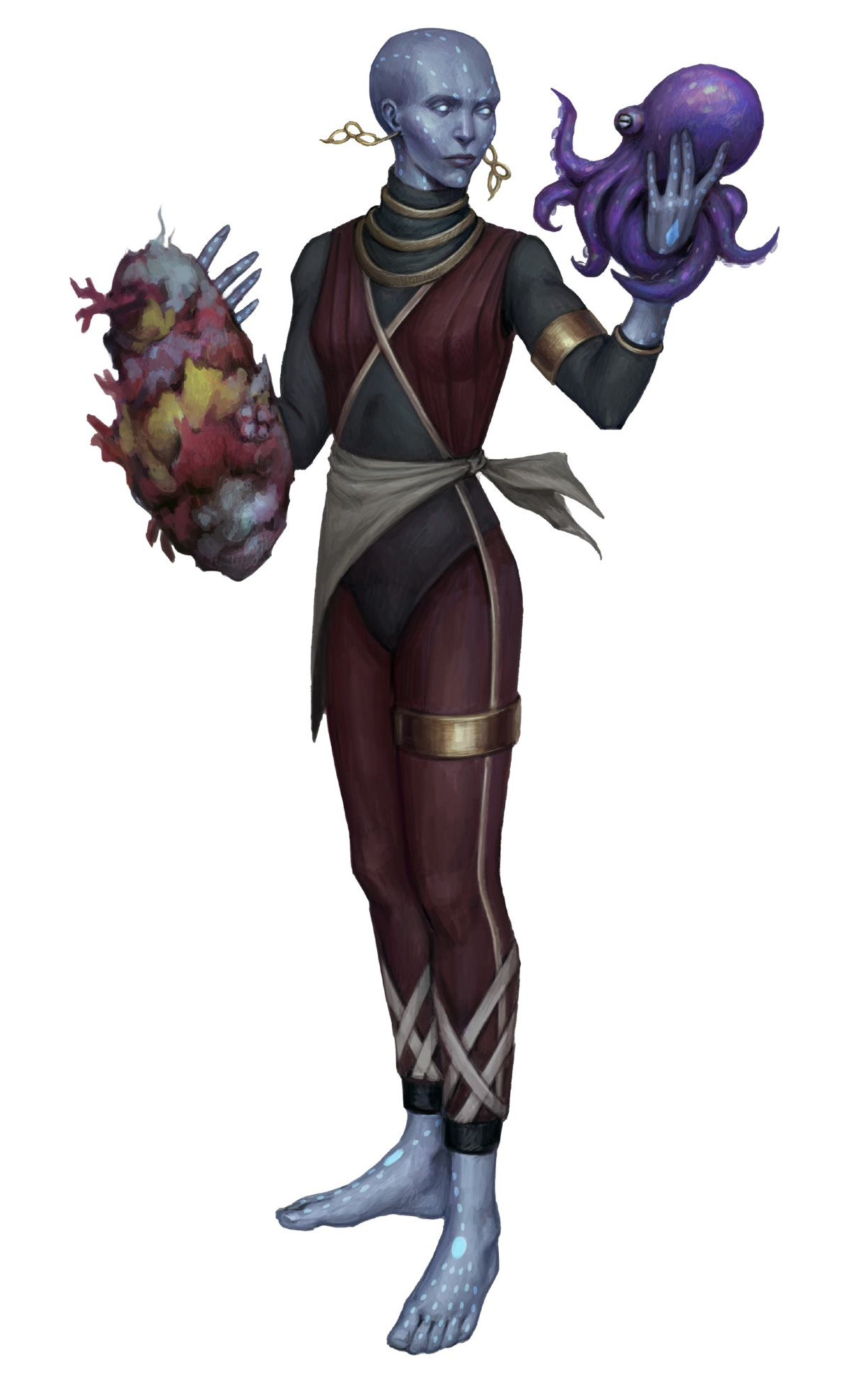
There is a lot of fun material here if you like maritime Pathfinder. The named captains, the rumors of Shackles connections, the underwater alliances, and the presentation of ships like the Dark Prince all make the naval side feel distinctive. And the Undersea Privateer is a neat reminder that the Inner Sea and the war that has returned to it goes beyond the surface. In a conflict where blockades and coastal pressure matter so much, bringing azarketis and undersea tactics more directly into the picture feels smart and overdue.
Isger Dispatches
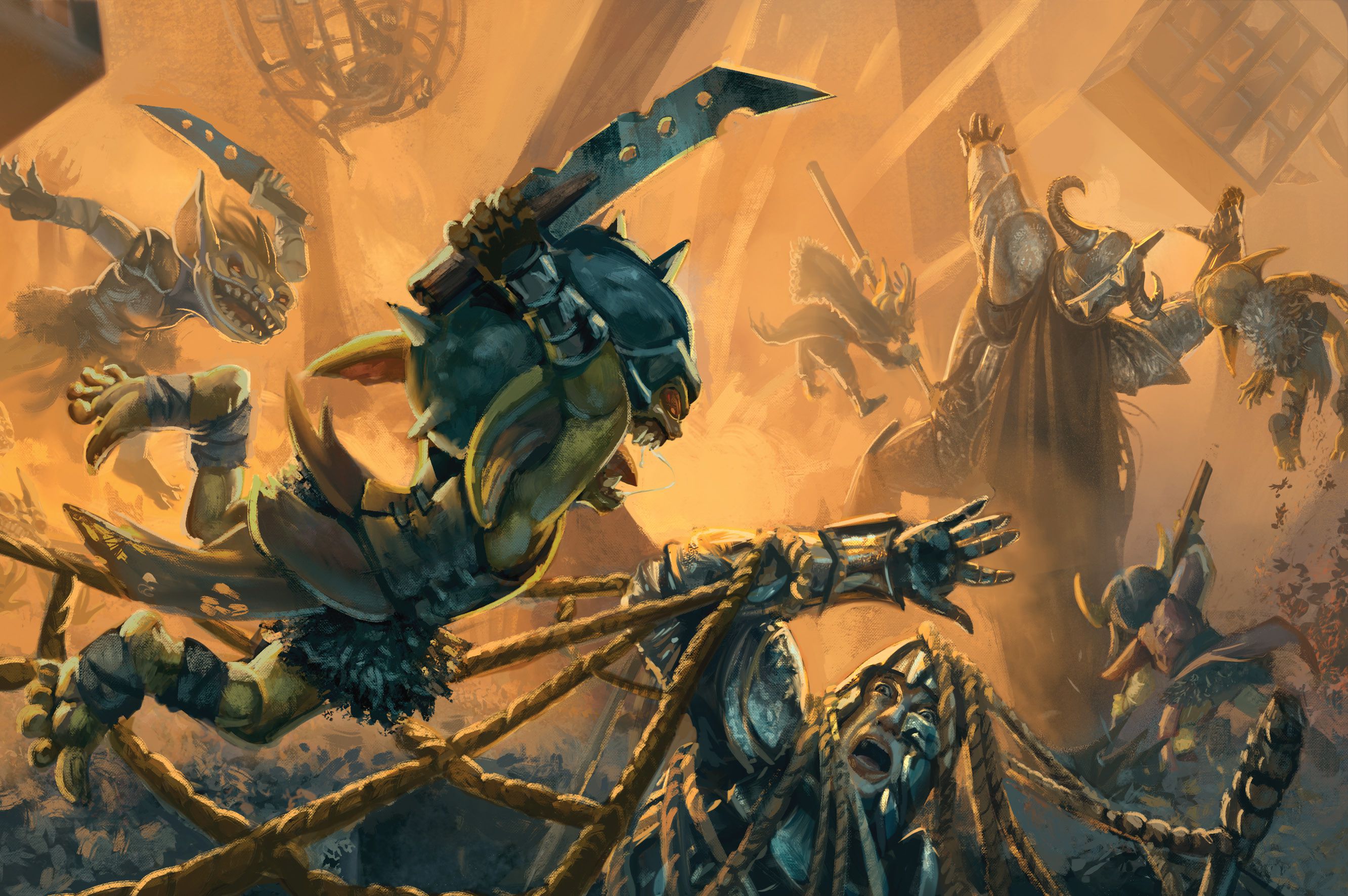
Isger has the most satisfying lore movement in the whole book. This is where the spark landed, and the book understands that independence is both triumph and headache. Hedvend IV’s assassination, Hellknight martial law, the Hellbreakers’ victories, and Andoran’s support all push Isger out of the old Chelish shadow, but none of that means the hard part is over. In fact, that is what makes this section interesting: liberation is not the same thing as stability.
I really liked how much the Goblinblood Wars legacy still hangs over Isger. That older trauma gives the place historical weight, and it helps explain why the people, orders, and orphanages of the nation feel the way they do. When the book pivots into the work of rebuilding and the scramble to create something new, it feels earned. Isger is not being invented from scratch. It is trying to remember what parts of itself were always there under Chelaxian control.
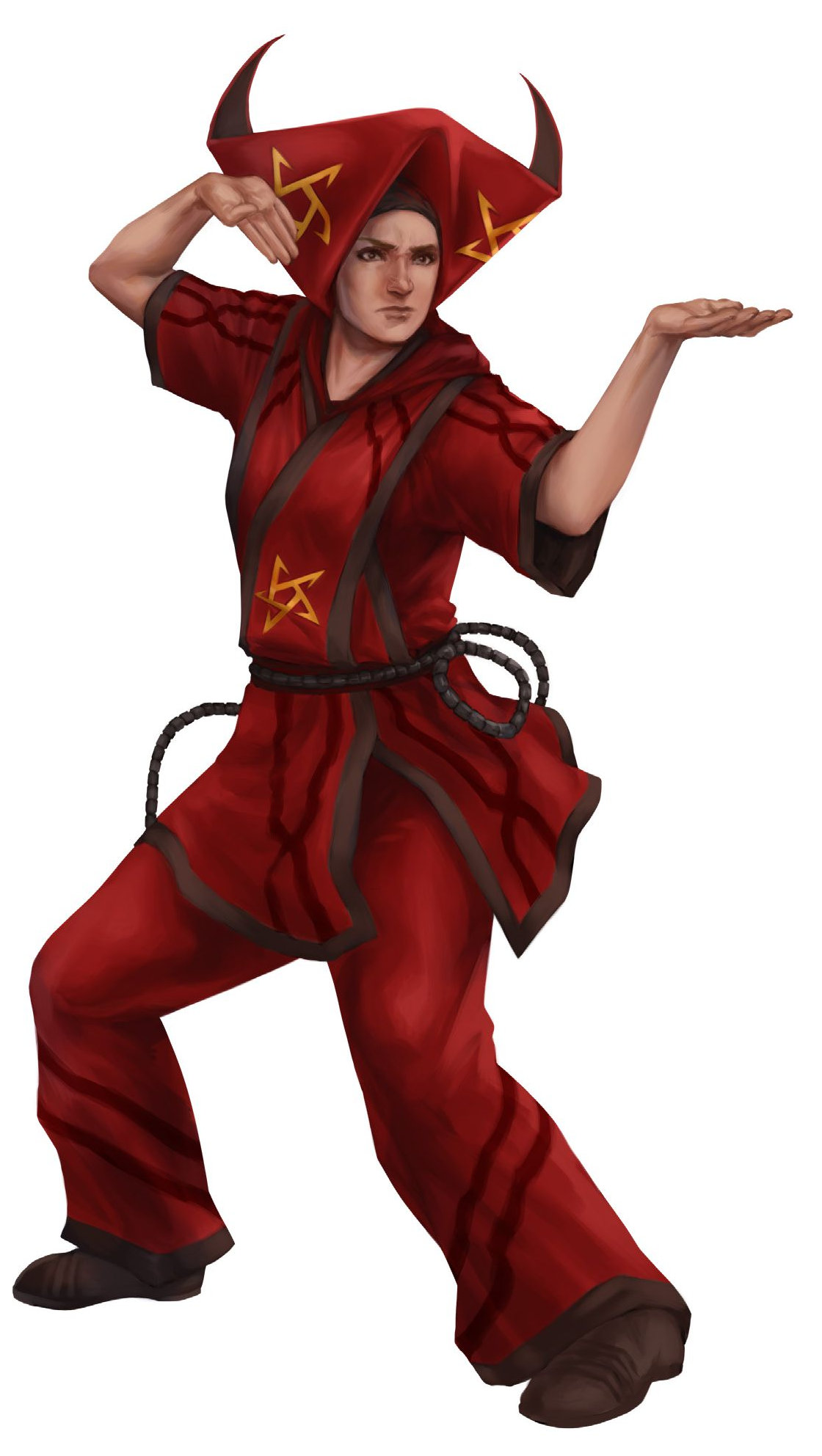
The Sister of the Golden Erinys stands out as a piece of Isger’s trauma made mechanical: the order began as part of the Sisterhood of Eiseth, was redirected under House Thrune into service to Asmodeus, and after the Goblinblood Wars spread through Isger via orphanages that functioned as indoctrination mills, raising girls to become loyal weapons for Hell and teaching them more about Dis than about Isger itself. What lovely propaganda machines; I often thought of the Red Room where Black Widow trained from Marvel. What makes it especially interesting, though, is that the book also notes many of those children rebel, with some rejecting infernal worship altogether and even turning toward Milani, which gives the archetype a surprisingly rich tension between indoctrination and resistance. Mechanically, it reinforces that identity with Fiendish Brand (level 6), Vengeance Strike (level 6), and Cruel Piercing (level 8). All make the sister feel like a trained instrument of pain, fear, and retaliation. Cheliax tried to reshape Isger from the inside. It’s a great PC option for survivors who might reject or reclaim that legacy.
Nidal Dispatches
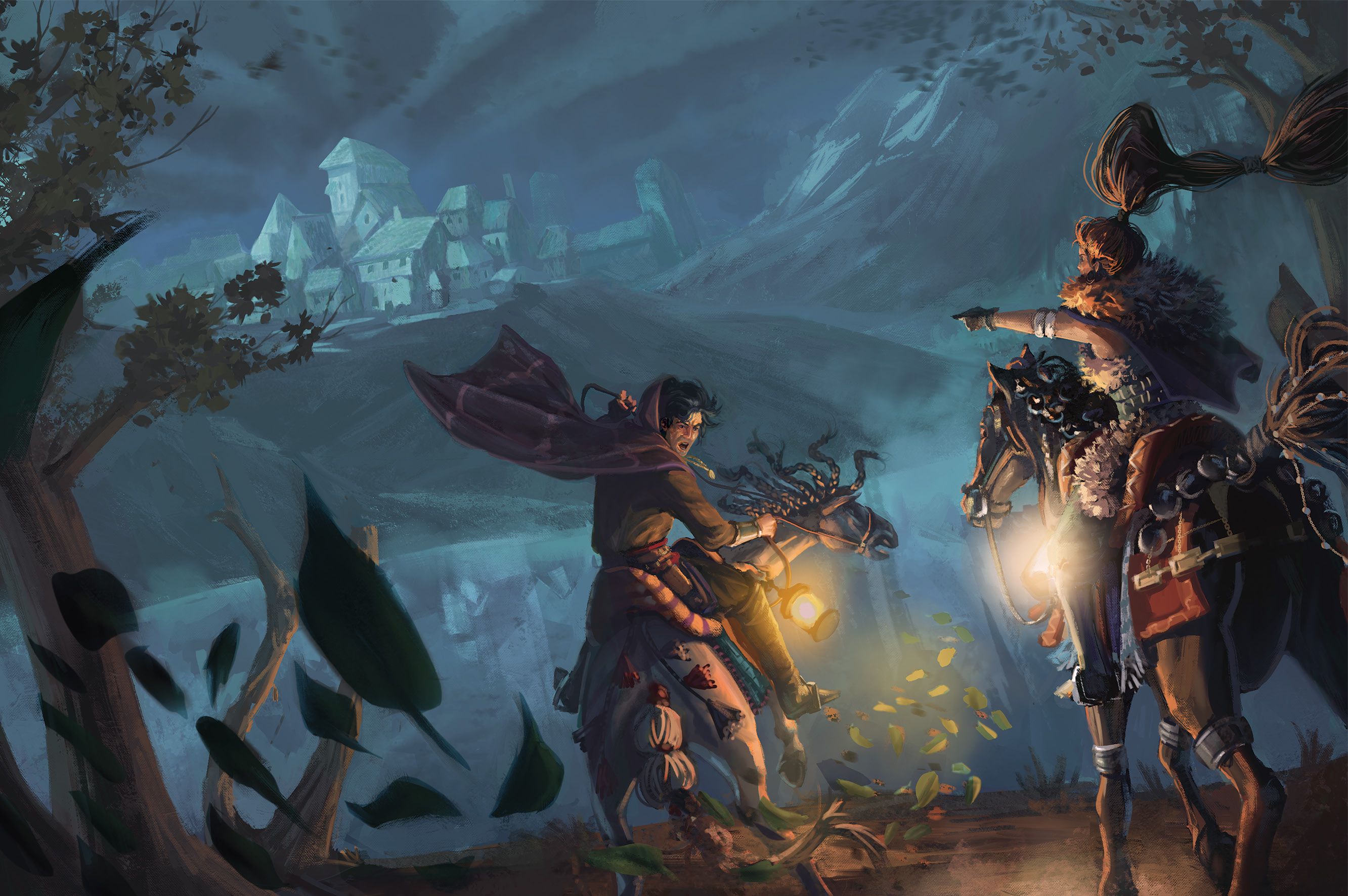
Nidal takes us beyond the spreading war to the whole moral atmosphere of a country may be changing, and in a way I adore. There’s a reason my witch from Three Ring Adventure was named Ateran! They’d been saved by some good-hearted horse ranchers. The idea that Gorum’s death and the fall of warshards can create new weapons is clear, but it’s done something more and perhaps that was his plan. It’s brought new courage to the populace, one of the strongest thematic threads in the book. Horselord Iriatykis is compelling not merely because she is leading a rebellion, but because she is doing so in a nation built to crush exactly this sort of hope. That makes every victory feel brighter and every setback feel more dangerous.
This section has some tremendous imagery. Shadow-soaked plains. Ancient Kuthite oppression. Ravounel volunteers slipping in to help without making it official. Horses as symbols of memory and freedom. Shadowpiercer raised against the dark. It all feels mythic without losing the cruelty of the setting. It goes beyond good rebels versus bad regime. It is what rebellion looks like when even the land and the culture have been trained to accept pain as normal.
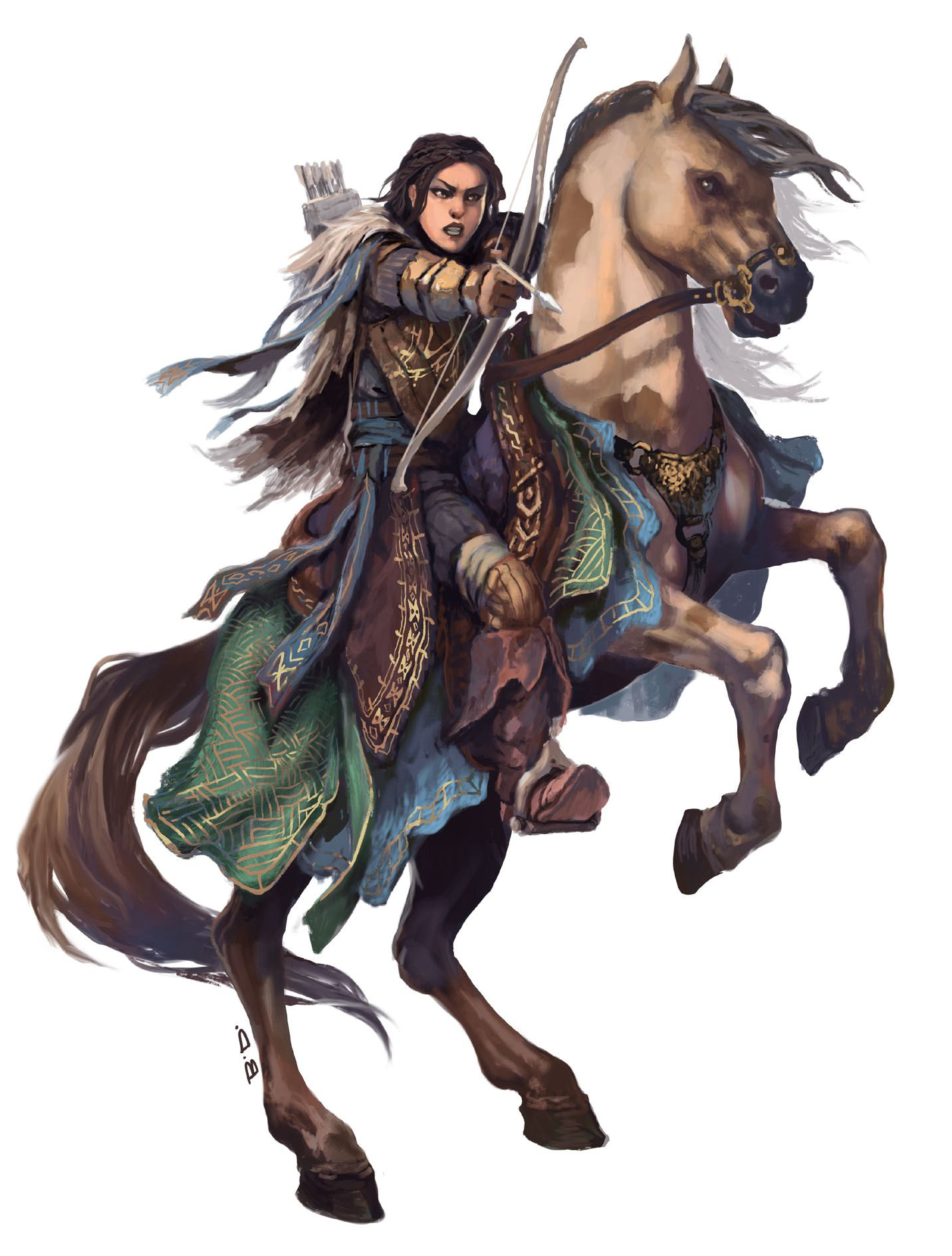
The Nidalese Horselord is probably the cleanest example in the book of mechanics and lore locking arms and galloping straight at the reader. The archetype encourages mounted combat in spooky lighting. It is a declaration that movement, loyalty, and defiance survive even in shadow. I especially love the higher-level flavor here: standing up to fiends, crossing darkness, and turning your bond with your horse into an answer to Kuthite terror. That is exactly how you sell a rebellion archetype in Nidal. It should feel brave, a little impossible, and deeply personal. I wonder what future befits Nidal at the end of this conflict…
What Is War Worth?
Not people’s lives I can tell ya that.
What I keep coming back to with Hellfire Dispatches is that it makes Golarion feel alive by making it feel unstable. The Age of Lost Omens moves onward and the Hellfire Crisis is a new war further destabilizing this time without prophecy. It is a pressure test for ideologies, nations, organizations, and ordinary people. Cheliax is still monstrous, yes, but the book is more interested in what that monstrosity does to everyone around it. Andoran’s ideals are tested. Absalom’s neutrality is tested. Rahadoum’s convictions are tested. Nidal’s despair is tested. Even the map itself starts to feel temporary.
That is what I am investing in here. This goes beyond a war book or a simple lore update to march the game onward, but a book that understands conflict changes texture from place to place. Some fronts get spies. Some get blockades. Some get devils. Some get rebellion. Some get all of the above. It examines the impact of war and provides (at least to me) the artful reflection of what war is worth, what it does to the world and its peoples. If you are the sort of Pathfinder fan who likes seeing the setting move, fracture, and dare to become something new, Hellfire Dispatches will delight you. As always, please remember to support one another and of course, much love to all!
Investing In:
I wasn’t quite sure what to name my article series when I first started but the idea of showcasing or discussing things that make me excited, that I find new and interesting, or maybe I’m otherwise passionate about seemed to fit with the idea of Investing In something like the Pathfinder 2E mechanic. To use some magic items you have to give that little bit of yourself, which helps make these things even better. I like the metaphor of the community growing and being strengthened in the same way!
I also want to hear what you’re Investing In! Leave me a comment below about what games, modules, systems, products, people, live streams, etc you enjoy! You can also hit me up on social media as silentinfinity. I want to hear what excites you and what you’re passionate about. There’s so much wonderful content, people, groups (I could go on) in this community of ours that the more we invest in and share, the better it becomes!
Sources
Banner – Hellfire Dispatches cover modified, Paizo, art by Micro Paganessi
- Backmatter excerpt, Hellfire Dispatches, Paizo
- The Future banner, Hellfire Dispatches, Paizo
- Absalom Dispatches banner, Hellfire Dispatches, Paizo
- Starstone Aspirant, Hellfire Dispatches, Paizo
- Dispatches from the Arch banner, Hellfire Dispatches, Paizo
- Pure Legion, Hellfire Dispatches, Paizo
- Dispatches from the Wall banner, Hellfire Dispatches, Paizo
- Fangwood Dispatches banner, Hellfire Dispatches, Paizo
- Rose Warden, Hellfire Dispatches, Paizo
- Inner Sea Dispatches banner, Hellfire Dispatches, Paizo
- Undersea Privateer, Hellfire Dispatches, Paizo
- Isger Dispatches banner, Hellfire Dispatches, Paizo
- Sister of the Golden Erinys, Hellfire Dispatches, Paizo
- Nidal Dispatches banner, Hellfire Dispatches, Paizo
- Nidalese Horselord, Hellfire Dispatches, Paizo