
“When Hellknights of the Rack publicly executed retired Andoren general Reginald Cormoth in the town of Breachill for the alleged crime of ‘providing succor to dissidents against the crown of Cheliax,’ they set alight a metaphorical powder keg that exploded into war with the Battle of Hellknight Hill.”1
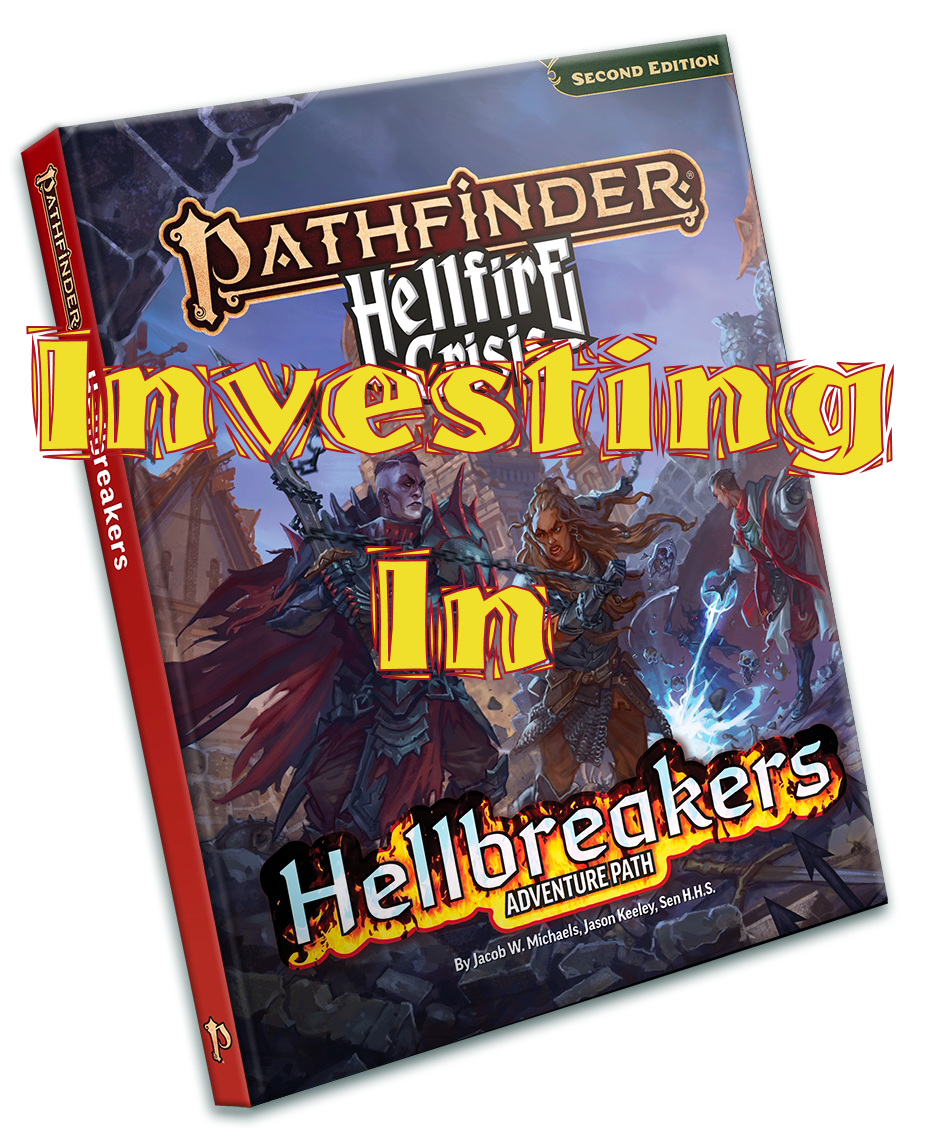
Oh Cheliax. How I love to see villains in political control taken down. Even more so lately! Time comes for everyone, though unfortunately sometimes to get to that point it does take growing violence. That’s certainly where Hellbreakers finds us. And while I don’t want to spoil the amazing story herein (though I will note I appreciate seeing Breachill), I did want to dig into some of the mechanics we get! I always look first at new path’s adventure toolboxes for what I might use in my current games. There are some adventure paths where the supplemental mechanics feel like nice extras. You read them, nod, maybe steal one thing for another campaign, and move on. Hellbreakers is not one of those.
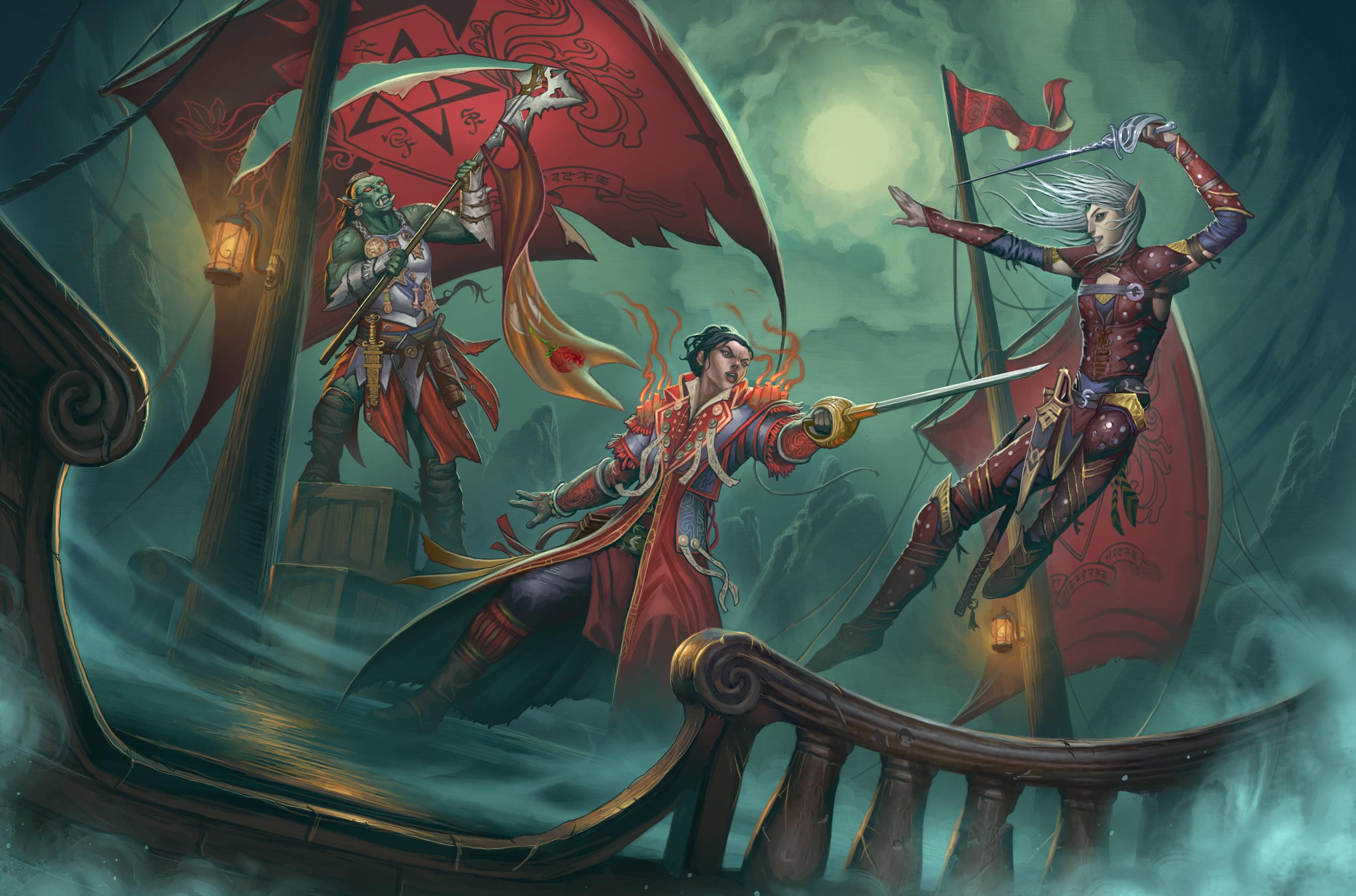
Hellbreakers is a campaign about rebellion, resistance, a touch of espionage, and certainly people trying to claw freedom out from under the boot of Cheliax, the Adventure Toolbox are must uses, especially for the DM of course with the monsters. It feels targeted. Purpose-built. Angry, even and I sure share that sentiment. These aren’t random magic items by any means and the monster stat blocks are very poignant. Sure every AP needs that backmatter, but now we really need it. These are the kinds of tools that make me immediately start thinking about characters, side quests, enemy factions, and how I’d reuse this stuff far beyond the realm of Isger. Honestly, that’s exactly what I want, especially right now.
NOTE: SPOILER WARNING
Only spoilers in so far as a detail on some PC options and of course some monsters, but no plot spoilers! I’m saving on story and world info. You know I love the lore side of Lost Omens, which I’ll definitely get into with Hellfire Dispatches next time, but for now let’s open up the toolbox!
Items
The first section, Items, has a few standouts that immediately screamed “I want this in a character build,” but also a few that feel delightfully specific to the campaign’s themes of infiltration, anti-devil resistance, and surviving in hostile territory.
Devilwing Badge
This item understands what kind of campaign it’s in. The devilwing badge comes in multiple versions, starting at level 4, with stronger versions at level 8 and level 12. It can be affixed to gear and gives you a flexible anti-fiend edge, including extra spirit damage on weapon Strikes after activating it, plus spellcasting options like divine lance, crisis of faith, and eventually divine wrath on the higher-level versions. It feels like a rebel’s holy contraband. It feels like the sort of thing you’d pass hand to hand before a dangerous mission, the kind of item that says, “Yes, we know exactly who we’re fighting.” Mechanically, I also love when an item has higher scales to improve across a campaign. If your party latches onto the use of the devilwing badge early, there are stronger versions later that let it remain part of your identity instead of becoming vendor trash the second you level up so you can uplevel it.
Hellhusk Shroud
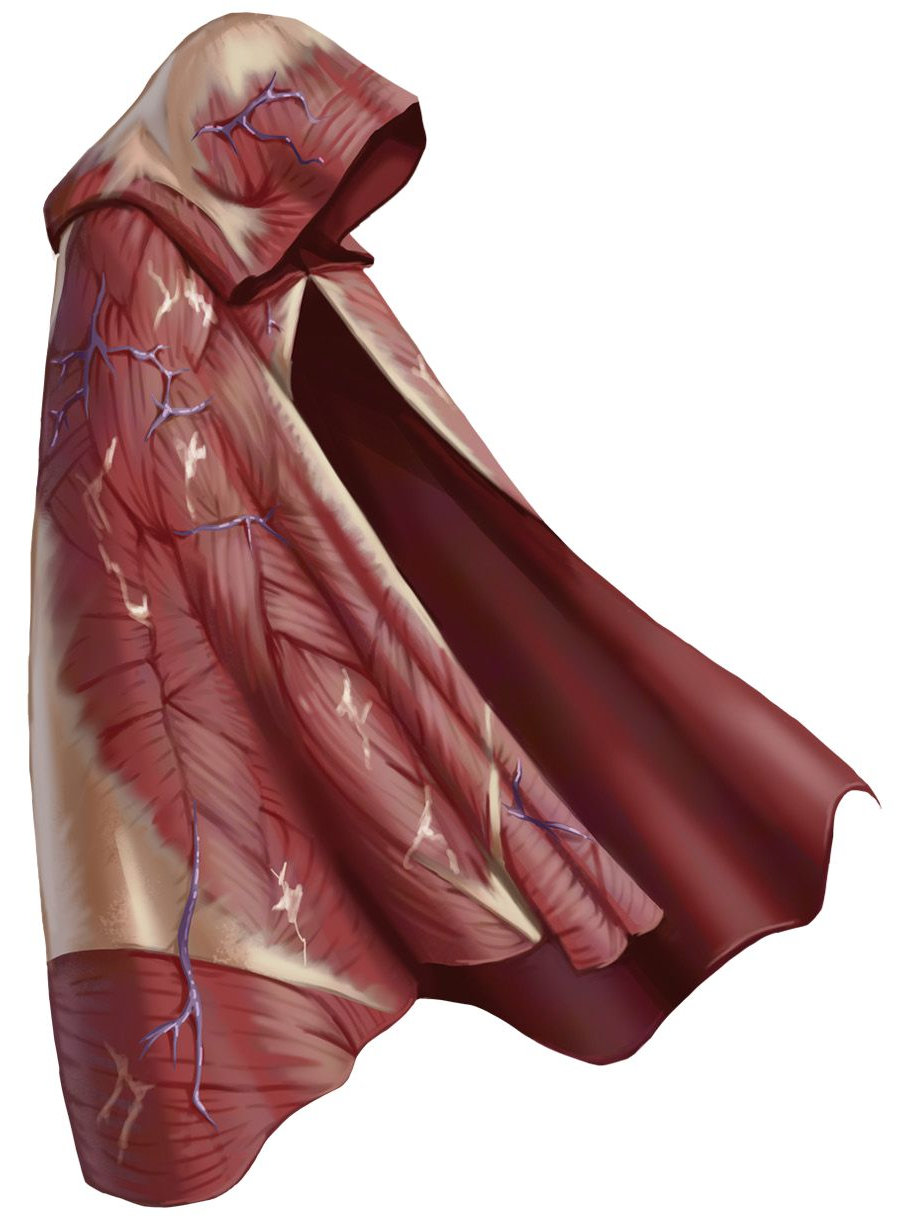
The hellhusk shroud, level 6, is maybe my favorite item in the whole bunch. This hooded cloak is made from devil-derived materials, doesn’t easily radiate magic to low-rank detection, lets you read and speak Diabolic, can disguise you as a low-level devil, and can even give you fiend sense for a short time.
This is exactly the kind of item I love because it is doing more than boosting numbers. It is giving you story. This thing belongs on a rogue, an investigator, a witch, a thaumaturge, or frankly any PC who expects to spend time sneaking through infernal territory, talking their way past the wrong guard, or infiltrating people who absolutely would kill them if they knew who they really were. It’s creepy. It’s flavorful. It’s useful. That’s the trifecta. Also, let’s be honest: “I wrap myself in a cloak made from the remains of devils so I can smell like Hell and spy on Cheliax” is a strong Pathfinder sentence.
Lazybones Pendant
Then there’s the lazybones pendant, a level 5 item carved from the bones of a goblin called Work-Too-Hard Whappa. First of all, fantastic name. My friends often talk about Plaflababla the gnome I created years ago. Forgive me if I’ve mentioned that before but couldn’t help but think of him. Anyway, second, this item gives you a bonus when you Follow the Expert, which makes it a much quieter kind of utility piece than the others.
This isn’t as flashy as the anti-devil toys, but I actually appreciate that. Not every good item needs to be combat-forward. In a campaign with travel, stealth, infiltration, and group problem-solving, an item that helps the party function better together can punch above its weight. This feels like one of those items players won’t necessarily cheer for when they first see it, but the table will remember it after the third time it smooths over a dangerous plan. I’m always a sucker for items with weird little folklore baked into them.
Animal Companions
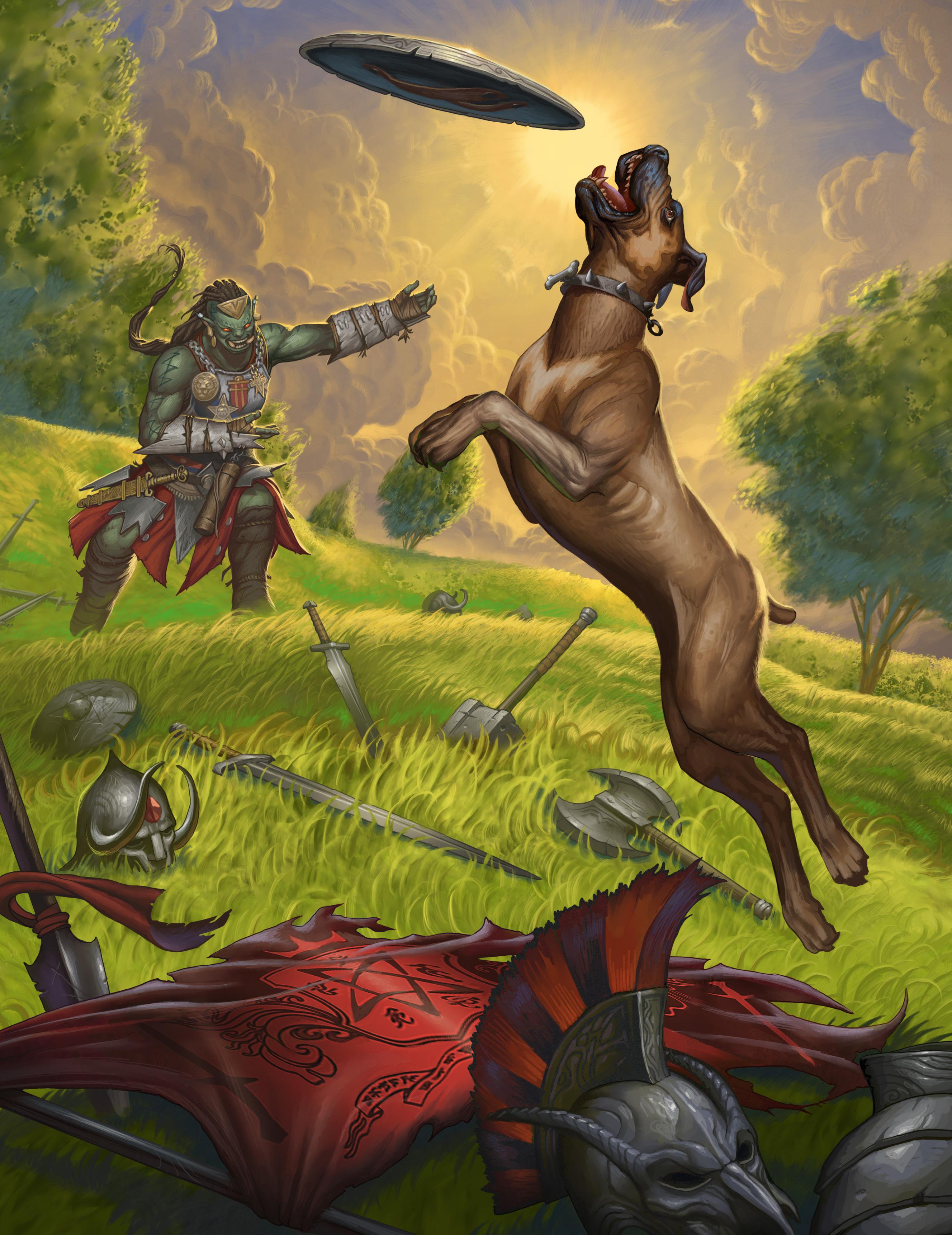
I love this little menace. The Isgeri boarhound is an uncommon animal companion bred by the gnomes of Umok for patrol work against extraplanar predators and similar regional threats. It’s a Small companion with strong scent abilities, and the big gimmick is that during daily preparations it can be given a sample from a fiend or undead creature, designating that type as its prey for the day. From there, it gets precise scent tracking on that kind of foe, and its support benefit rewards you for attacking enemies it’s helping lock down. It also gets Lock Jaw as an advanced maneuver. He’s the best boy, so clearly the best design for this campaign.
It feels useful without being absurd and gives the companion a real identity. The boarhound isn’t “another bite pet.” It’s a tracker. A hunter. A specialized anti-monster working dog for a country that has had entirely too much experience with goblin wars, devils, and undead disasters. That’s the kind of worldbuilding I like in Pathfinder mechanics. You can look at the stat block and immediately understand something about Isger. And on the player side? This is a dream for anyone who wants their companion to feel like a partner in the hunt rather than just a mobile damage packet. If your campaign has fiends or undead as recurring enemies, this boarhound feels like a deeply satisfying choice.
Rituals
There’s only one new ritual here, but it absolutely earns its space. The Divine Keystone Ritual is a level 4 rare holy consecration ritual that takes four days, uses a building’s cornerstone as a locus, and creates a protected sacred area. In that area, undead can’t be created or raised, the site becomes holy, and living creatures are invisible to undead. On a critical success, the area doubles; on a critical failure, you get the nightmare version, where the site instead empowers undead with fast healing and resistance to holy for a month.
That is an incredible ritual premise. Mechanically, yes, this is strong and evocative. But what I really like is that it feels like a story ritual. This is not “we cast the buff and move on.” This is “we are making a stand here.” This is fortifying a village. Defending refugees. Buying one pocket of safety in a setting that really doesn’t hand that out for free. The flavor text behind it only helps. It was created to protect the settlement of Steadfast in the Gravelands from undead forces, and later adapted by the Pathfinder Society to help other threatened communities.
That rules. I’m always interested in rituals that feel like campaign technology rather than player tricks. This is exactly that. I could see a whole side adventure built around gathering the ingredients, protecting the casters, and making sure nobody sabotages the final hammer strike. To me this is pure adventure fuel.
The Hellbreaker Archetype
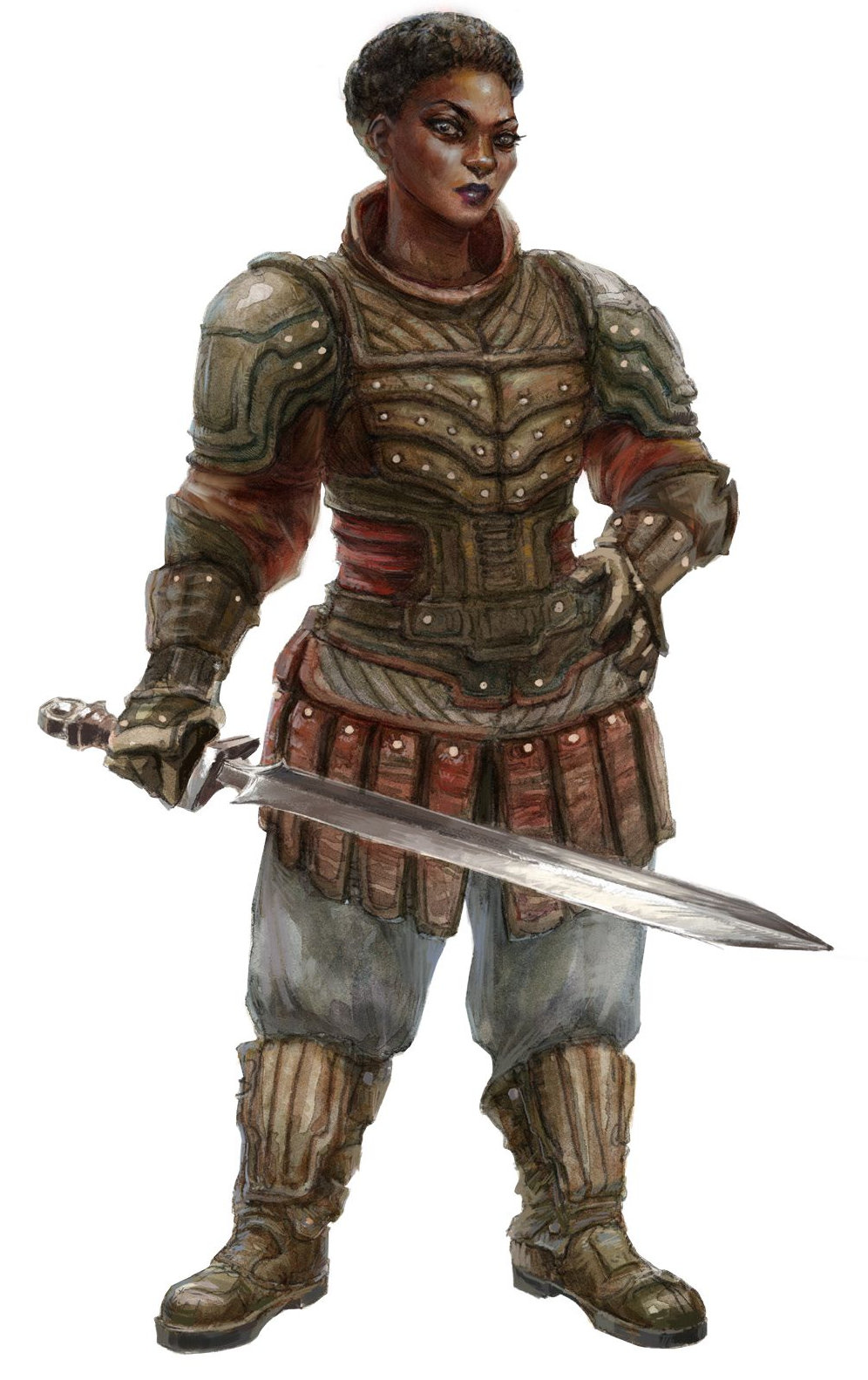
Paizo understood the assignment here. The Hellbreaker archetype is a rebellion archetype through and through. Its flavor explicitly frames the Hellbreakers as a young organization fighting Chelaxian oppression with wit, daring, subterfuge, and hard-earned knowledge of devils and Hellknights. That identity actually shows up in the mechanics so let’s call out a few feats.
Hellbreaker Dedication
The Hellbreaker Dedication at level 2 is a very nice starting point. You get Devil Lore and Hellknight Lore, and you can attempt a Recall Knowledge check as a free action when rolling initiative against a visible enemy. This is one of those feats that tells you immediately what the archetype wants to be. You are not simply angry and fed up, wanting to fight. You are prepared. You know your enemies. You’ve studied the machine you’re trying to break. That is good theme-mechanics alignment.
Devil You Know
At level 4, Devil You Know keeps that idea rolling by letting you use the appropriate Lore for initiative against devils or Hellknights, while also rewarding successful Recall Knowledge with a bonus on your next skill check against the creature. I really like this one because it leans into Pathfinder’s increasingly good design space of “knowledge matters.” In the right campaign, this makes you feel like the veteran resistance operative who’s been studying enemy doctrine, insignias, infernal contracts, and the ugly little habits of Hellknight orders.
High Alert and Opportune Trickster
High Alert (level 6) gives an ally a defensive bump against devils and Chelaxian-aligned creatures, while Opportune Trickster (level 6) lets you use underhanded teamwork to make a foe off-guard against an ally’s melee attack. These are the feats where the archetype really starts feeling like a rebel unit. One keeps your people alive. One rewards dirty fighting. Good. As it should. A rebellion archetype that played too fair would honestly feel wrong.
Hell’s Bane and Rend Armor
Then at level 8, we get Hell’s Bane, which rewards a critical Recall Knowledge with a damage boost against devils or Hellknights, and Rend Armor, which punishes an enemy’s defenses after a critical Strike by compromising their armor. Now we’re cooking. Rend Armor especially feels nasty in a fun way. It has that “we have fought these bastards long enough to know where the weak points are” energy. It’s practical, mean, and very on brand.
Defy Hell and Return to the Pit!
At higher levels, Defy Hell (level 10) gives you a divine stance with better mental defenses and access to Hellbreaker Strike, which adds spirit damage, while Return to the Pit! (level 12) lets you cast banishment once per day and makes that even better against devils if you’re wielding your personal Hellbreakers symbol. That is exactly where I want the archetype to end up.
It starts with intelligence gathering and small-unit tactics. It grows into defiance. Then eventually it becomes holy, personal, and theatrical in the best possible Pathfinder way. By that point, you’ve moved beyond surviving infernal oppression but are actively sending Hell back where it belongs.
Overall, I think the Hellbreaker archetype does a really strong job of feeling narrower than a totally universal archetype, but in the good way. This is not “take this for any campaign.” This is “take this when you want your character to belong to this cause.” And I think that makes it more memorable.
Monsters and Creatures
Oh GM, here’s where the Toolbox really starts having fun. There are a lot of strong entries here, but what I appreciate most is how many of them feel like they were made for this campaign’s exact cocktail of infernal politics, occupation, undead horror, and ugly state violence. These are some well-themed problems that I do hope to find good uses for in our Kingmaker game too mostly when dealing with other nations since I’m so proud of the nation my players are making.
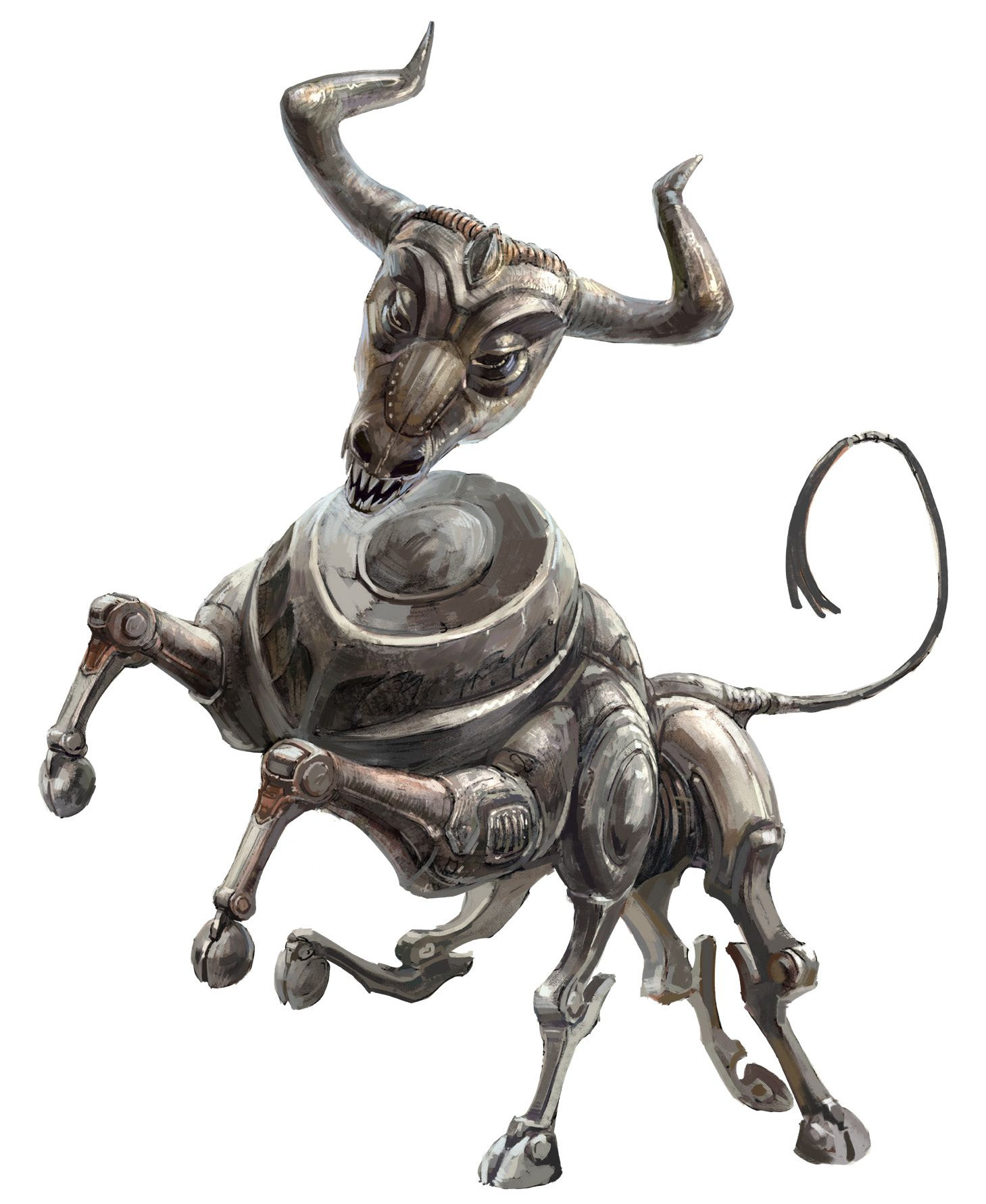
Aurocan
The aurocan is a level 8 construct, basically a hulking infernal-industrial bull machine with a detachable head, transport capacity, and an explosive death. Let’s call this gloriously absurd and I’m all for it. Sometimes Pathfinder hands me a monster and let me say, “Yes. That one.” Aurocans feel like war machines built to crush resistance under steel hooves and steam pressure, and they fit perfectly in a campaign where authoritarian force is not subtle.
If you told me one crashed through a barricade while carrying troops in its chest, I would believe you immediately. And because it is a construct with a strong visual identity, it’s also exactly the kind of enemy players remember years later.
Insidiator (Entrapment Devil)
The insidiator is a level 1 devil, and I adore it. This is a low-level fiend built around temptation, subterfuge, and spider-themed manipulation. It specializes in schemes, sting operations, self-incrimination traps, and subtle infiltration rather than rushing into melee.
That is such a great low-level devil concept. Too often, low-level fiends can feel like “small monster with evil tag.” This one has a job. A personality. A mode of operation. You can picture how it gets used by Cheliax, by cults, by corrupt officials, or by any villain who wants someone ruined before they want them dead.
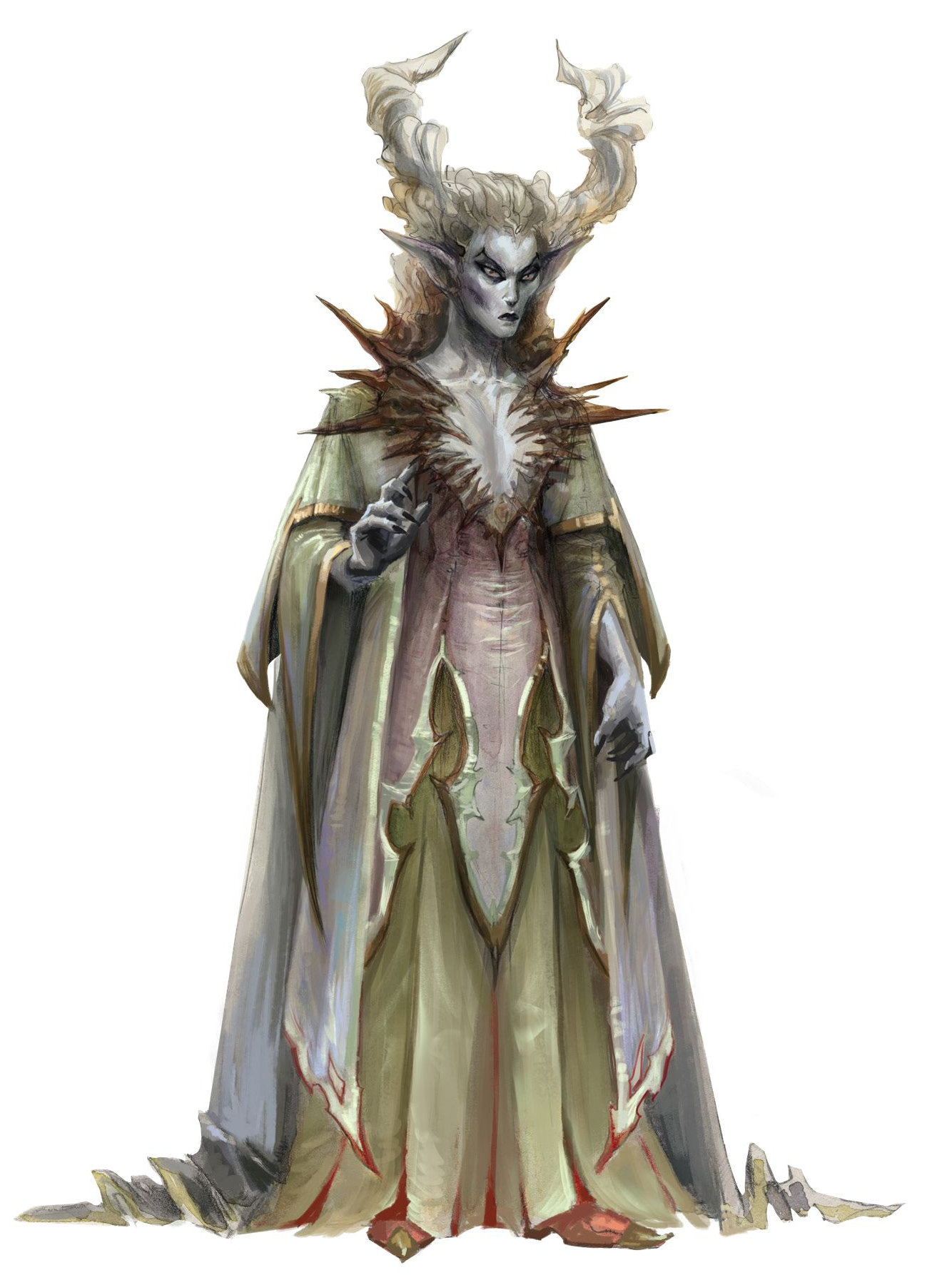
Instillo (Docent Devil)
The instillo, a level 8 docent devil, is another high-concept devil that I think is excellent. This one reads like an infernal propagandist, teacher, indoctrinator, and manipulator of false narratives. Again, perfect for Hellbreakers.
It’s one thing to fight Hell’s soldiers. It’s another to fight the things that make oppression sound reasonable. That is where the instillo shines. It feels like the devil of doctrine, revisionism, and the kind of poisonous “education” that teaches people to love the systems hurting them. So nasty it’s perfect. GMs rejoice!

Kylix (Cupbearer Devil)
The kylix, a level 4 cupbearer devil, is the sort of monster I immediately want to throw into a gala, a noble’s manor, or any scene where poisoned civility matters more than open violence. It manipulates social encounters, protects itself through etiquette-flavored supernatural effects, and feels like the infernal embodiment of “pleasant host who is absolutely setting you up.”
I love monsters like this because they expand what a devil encounter can be. Not every fiend should be claws and fire. Sometimes it should be silver trays, wine glasses, and smiling malice. And that’s Pathfinder at its best: when the creature design supports an actual scene beyond an encounter budget.
Odvolos (Censorship Devil)
The odvolos, a level 5 censorship devil, might be the most thematically sharp creature in the book for me. This thing is built around suppressing records, punishing written magic, and metaphorically and literally burning dangerous information. That’s so Cheliax.
This is the kind of creature that shows you a truth of the setting. Of course Hell would make a devil for erasing dissent. Of course an infernal empire would find that useful. Of course the rebellion would hate this thing. You can build an entire mission around one of these hunting banned texts, torching archives, or targeting anyone with incriminating documents. That’s fantastic.
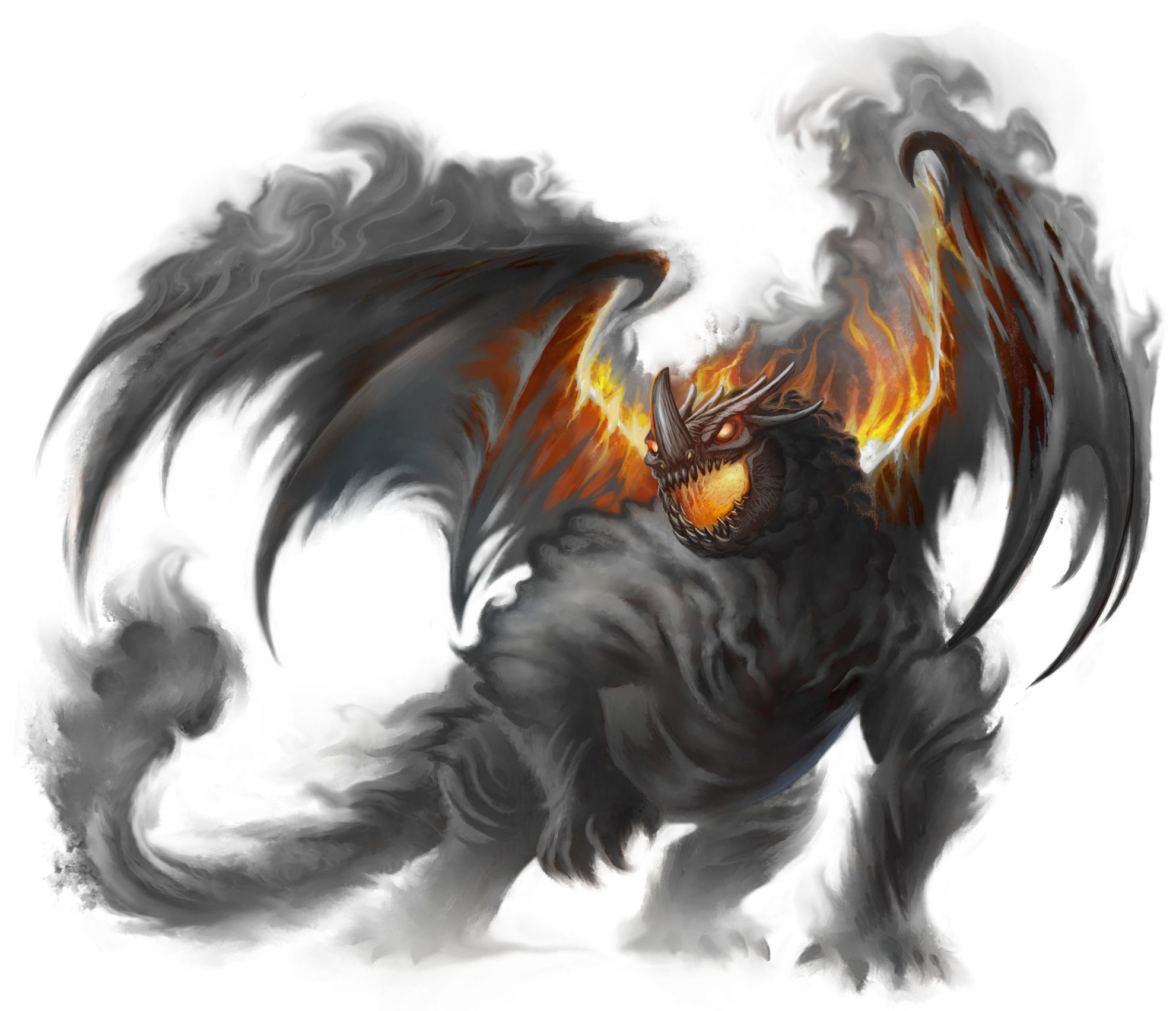
Fumecrux
Then there’s the draconic fumecrux, a level 9 undead horror that feels like somebody asked, “What if a dragon head, infernal industry, and nightmare fuel all got mashed together?” and then nobody stopped them. Excellent. No notes. Perfect for Cheliax and this campaign. There’s many forms of Fumecrux, as the lovely sidebar points out, but the draconic version is something of necromantic power or foolishness or both!
This is the sort of creature that belongs in the proud Pathfinder tradition of “that thing is revolting and I need to put it on the table immediately.” If you want an encounter to feel hostile, unnatural, and unforgettable, this absolutely gets the job done.
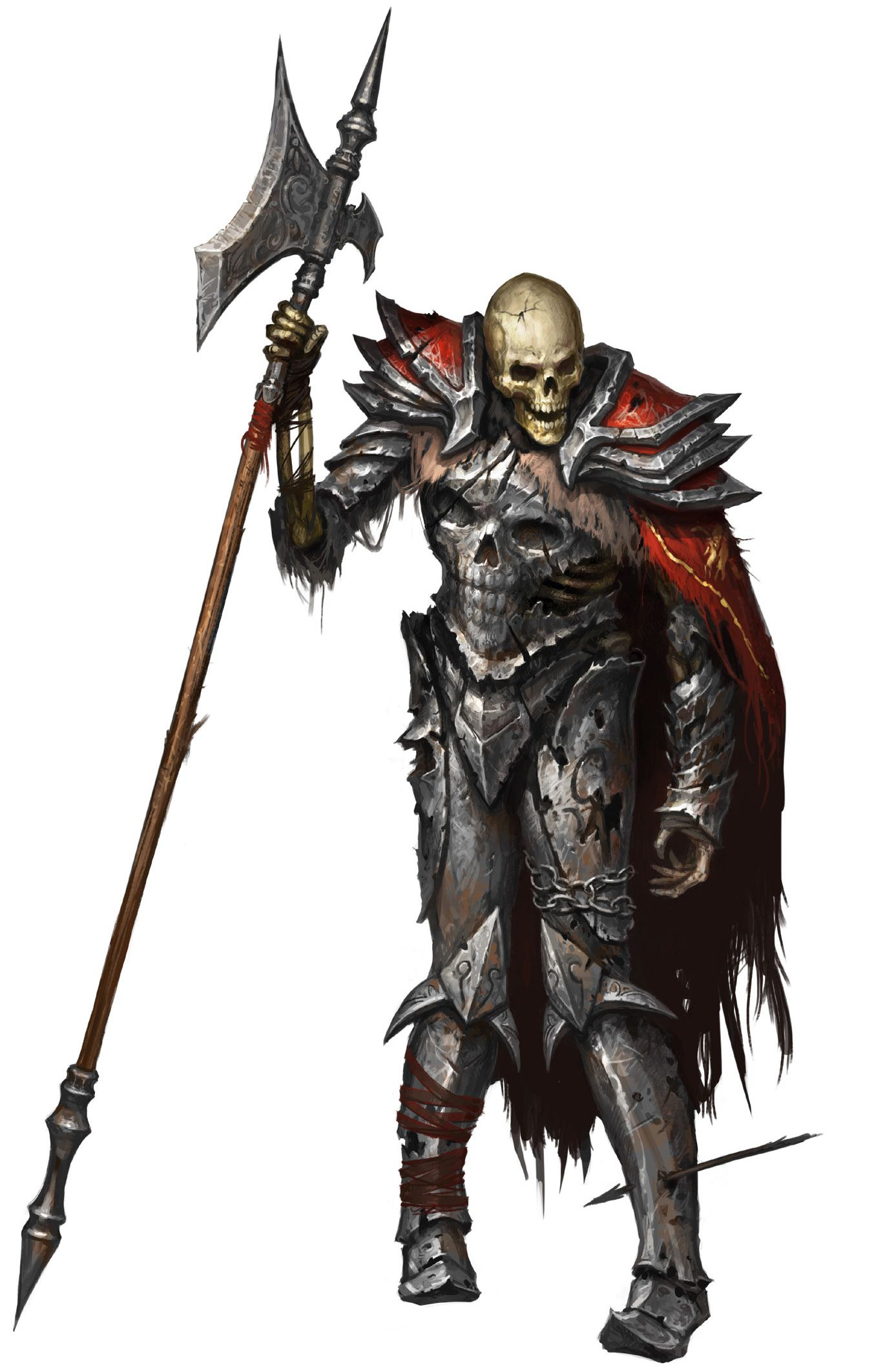
Skeletal Hellknight
Finally, the skeletal Hellknight bonesinger takes one of Pathfinder’s most iconic authoritarian knight aesthetics and drags it straight through the grave. It’s exactly fitting for its use in the campaign though I won’t say where exactly, but you’re sure to run into it. It’s supposed to be one example though I could only otherwise find reference of a legacy version.
There’s something wonderfully cruel about the idea that even death doesn’t free some of these people from the system they served. That’s grim and rather evocative for what I see is a campaign-relevant monster design.
Worth Investing In
What I like most about the Hellbreakers Adventure Toolbox is that it knows what book it belongs to. I feel every GM might want to invest in this one! The items feel like rebel spy gear meant to survive against devils. The animal companion feels regional and purposeful. The ritual feels like a story waiting to happen. The archetype feels like joining a cause! And the monsters? The monsters feel like Chelish censorship and propaganda, perfect for the infernal bureaucracy or combative antagonists. Of course we get an undead catastrophe in stat block form too. So if you’re looking at Hellbreakers and wondering whether the Toolbox is worth your time, my answer is an easy yes. There is a lot here for players, a lot here for GMs, and maybe most importantly, a lot here that I can already see myself working into my campaign. Let alone, you might want to run/play the adventure path!
At the end of the day, Hellbreakers works so well because the path already has such a strong core: rebellion against Cheliax, infernal corruption, desperate heroism, and a kind of righteous fury that feels fantastic in Pathfinder. Fighting heinously evil corruption with rebellion feels so right to me presently with the state of the American government. Maybe you can tell because I’m saying more in a conclusion area than I ever have before, ha!
The Adventure Toolbox lands because it builds directly on that foundation instead of feeling tacked on. Every item, feat, ritual, and monster sharpens the themes that already make the path sing, giving players and GMs more ways to lean into resistance, sacrifice, espionage, and striking back against Hell with style. That’s exactly the kind of support material I love investing in because when the path itself is this strong, great toolbox content is doing more than simply adding options, it makes an already compelling campaign even harder to stop thinking about once the adventure is over.
Next time like I said we’ll get into the Hellfire Dispatches. And until then, please remember to support one another and of course, much love to all! Especially if you’re Chelish leadership. You’re going to need it.
Investing In:
I wasn’t quite sure what to name my article series when I first started but the idea of showcasing or discussing things that make me excited, that I find new and interesting, or maybe I’m otherwise passionate about seemed to fit with the idea of Investing In something like the Pathfinder 2E mechanic. To use some magic items you have to give that little bit of yourself, which helps make these things even better. I like the metaphor of the community growing and being strengthened in the same way!
I also want to hear what you’re Investing In! Leave me a comment below about what games, modules, systems, products, people, live streams, etc you enjoy! You can also hit me up on social media as silentinfinity. I want to hear what excites you and what you’re passionate about. There’s so much wonderful content, people, groups (I could go on) in this community of ours that the more we invest in and share, the better it becomes!
Sources
Banner – Hellbreakers Adventure Path cover modified, Paizo, art by Rodrigo Gonzalez Toledo
- Against Hell excerpt, Hellbreakers Adventure Path, Paizo
- Against Hell banner, Hellbreakers Adventure Path, Paizo
- Hellhusk Shroud, Hellbreakers Adventure Path, Paizo
- Ulka plays with their Isgeri Boarhound companion, Adventure Toolbox splash art, Hellbreakers Adventure Path, Paizo
- Hellbreaker archetype, Hellbreakers Adventure Path, Paizo
- Aurocan, Hellbreakers Adventure Path, Paizo
- Instillo (Docent Devil), Hellbreakers Adventure Path, Paizo
- Kylix (Cupbearer Devil), Hellbreakers Adventure Path, Paizo
- Draconic Fumecrux, Hellbreakers Adventure Path, Paizo
- Skeletal Hellknight Bonesinger, Hellbreakers Adventure Path, Paizo