
“I may be the Lone Archivist, but I have no intention of being the last. To that end: may the darkness bring you enlightenment, as it always does.”1
Certainly not the last. The Archive isn’t gone. In fact, it persists and changes. It may be like a ghost, subtle and quiet. It’s perhaps easy to miss until you room the room is cooler. Maybe there’s a door there now that you weren’t aware of before.
Four. Years. Ago. July 2022 I released my Investing In on the Dark Archive. Time flies right? Oh what four years can bring, well nearly 4. Who knows what 5 more months will do. I’ve hope for this year to change, and glad we get Impossible Magic come Gen Con! Anyway, I’ve gone through the Dark Archive Remastered and compared it back to the original 2E Dark Archive. I’ve taken a particular mission with this to ignore terminology churn and focus on what actually matters at the table mechanically with features, powers, spells, etc. What got cooler? What got cleaner? What changed in ways that will make your character feel different in play? Let’s dig in.
Psychic
Psychic already had the core identity locked in: amps, psi cantrips, Unleash Psyche, and a feat suite that lets you build toward either “precision brain wizard” or “emotionally volatile reality hazard.” Remastered keeps that identity, and then makes a few targeted adjustments that do two things at once: tighten the class’s power delivery, and make certain fantasies more reachable in real campaigns. Remastered adds new hooks.
One thing I saw immediately just flipping through is that Twin Psyche arrives earlier. This is the kind of change I love because it’s not about “number go up,” it’s about campaign and table use reality. Twin Psyche lived at 20 before but now in Remastered, it shows up at 18. That’s huge. Level 20 is the realm of “we’ll totally get there someday” optimism. Level 18 is where actual long campaigns start wrapping their endgame arcs. Moving Twin Psyche down means more tables will play the “two minds / duality / parallel self” fantasy instead of just reading it and daydreaming. That’s not small. That’s the difference between a capstone you admire and a capstone that becomes part of your story.
Amps becomes a choice, not a reflex. One of the clearest feel-changes: Amps are a free action rather than part of an action. This shifts from being something that can happen “for free” to something that costs you real decision-making at the table. Many have already talked about this online because of how it impacts spellshape feats or magus spellstrike. Similarly the feat Violent Unleash was a free action but you got stunned at the end. In Remastered, it’s one action to use.
What this does in play is make your Unleash moment feel more like a scene and less like a “bonus rider.” It’s a pacing change, and pacing is everything for Psychic. The class lives on drama when you spike, when you hold back, when you gamble. So if you were the Psychic who liked to Unleash and still have your full turn untouched, you’ll notice the difference. But if you’re the Psychic who wants their power to feel deliberate and heavy like you’re actually pulling a lever that matters this is going to feel better. It’s definitely a balance of action economy, power use, and impacts with other classes.
Amp Focus shows up in the Remastered feat list at 12, and it’s like the other refocus 12th level feats. Deepest Wellspring disappears. This one is straightforward: Deepest Wellspring is in the older Psychic feat list at high level, and it’s not present in the Remastered list because we now have Amp Focus. I’m not going to pretend every removed option without something comparative at that level is some tragedy. High-level “fuel economy” feats can be where balance goes to die. Sometimes the coolest thing a design team can do is say, “We’re not going to let you become a perpetual motion machine.” The end result is a Psychic that still gets to be powerful and weird, without drifting as hard into “I solved resource management, and now encounters are negotiable.”
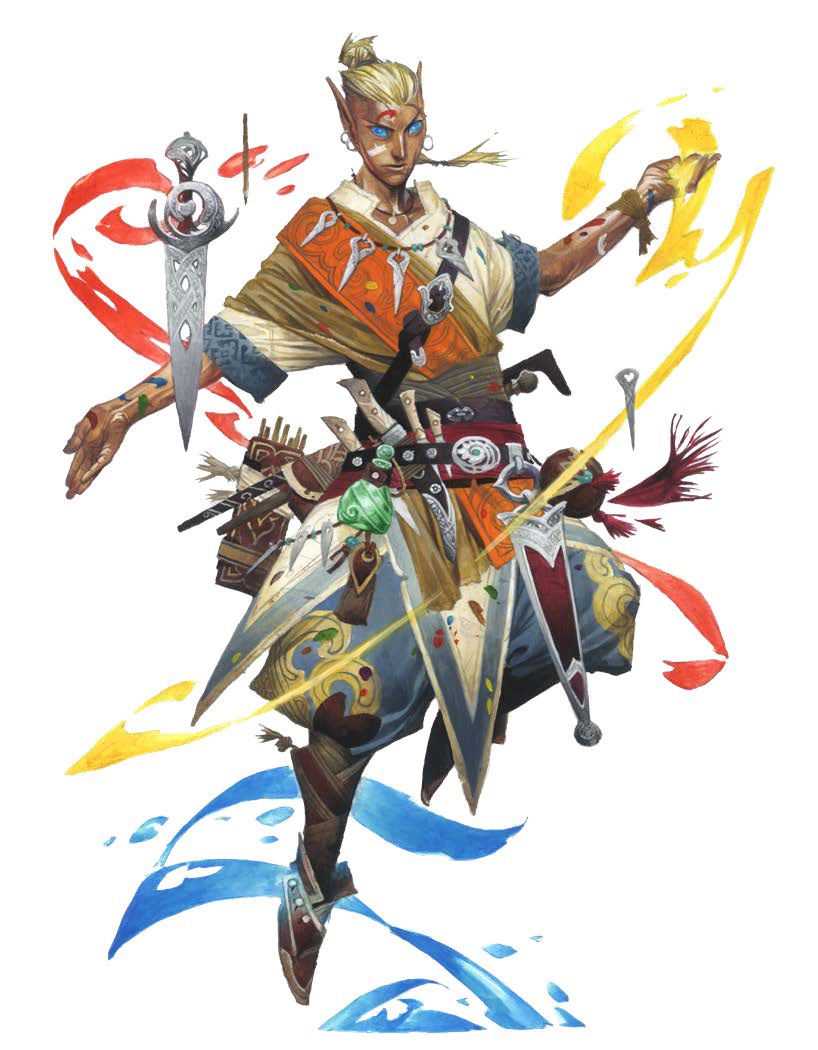
This is the part where the book feels like it’s actually investing in Psychic as a play experience. Remastered also adds Autonomic Psychic Action at 20 since Twin Psyche moved to 18. Even the name carries the vibe: “my mind runs on instinct now.” It sounds like the capstone you want at the very end of a Psychic’s journey: power that feels internalized, not activated. So Psychic in Remastered gets:
- a new midgame amp lever, and
- a new endgame identity button, plus a couple of edits that reshape how your “big moments” land.
That’s a meaningful pass.
Remastered adds new hooks or focuses upon the existing major play elements so I wanted to dig into those. I wanted to add some notable elements for how you want to play your psychic.So, if you prefer “big Unleash moments.” You still get the fantasy but Remastered pushes you toward planning your spike, not treating it as a free rider.
- Build toward turn structure: positioning, setup, then the dramatic hit.
- Expect Unleash to feel like a choice you commit to, not a casual add-on.
- What it means: your big moments become scenes. Your power feels deliberate and heavy, which is exactly how Psychic is supposed to feel when it’s firing on all cylinders.
If you’re amp-first, Remastered is clearly trying to feed you. Amp Focus certainly helps with that, now allowing you to quickly regain your focus points in just ten minutes. That’s partly the overall game design saying “yes at this level, do more big stuff.”
- What it means: you can lean harder into “my cantrips are my signature moves,” and still feel like you’re progressing, not stalling.
If you want an endgame that actually happens this is the glow-up: Twin Psyche at 18 means it’s no longer just a “legendary option” you read about. It’s a reachable campaign goal.
- What it means: you’re more likely to actually live your weird, identity-splitting climax before the campaign ends and can choose a different capstone.
If you liked the “infinite fuel” dream with Deepest Wellspring gone, the class feels less like it’s trying to give you “endless gas” and more like it’s reinforcing “sharp choices.”
- What it means: you stay powerful without drifting into “my resource economy won the campaign” territory.
Thaumaturge
Here’s the surprising thing: compared to Psychic, Thaumaturge doesn’t show obvious feat-roster upheaval. Not in the “new toys everywhere” sense. And I think that’s intentional. Thaumaturge is the kind of class where tiny mechanical edits can ripple outward into “oh no, this interacts with everything.” The fact that it reads as steady tells me the class is being treated like it already hit the target: a reliable, flavorful problem-solver whose power is in flexibility, preparation, and turning weird situations into advantages.
So what do you tell a Thaumaturge player? You tell them: you’re safe. Your class fantasy didn’t get sanded down. Your build decisions are still about taste and story implements, themes, how you approach the supernatural rather than being forced into a “new correct way to play.” I’m going to shout out Thraben University here. He did a great job reviewing the Thaumaturge implement changes including improvements to wand and chalice improvements so take a look. Wand is going to do more damage and recharges more often. Chalice scales better with temporary HP equal to your level instead of half and regularly can heal at double. The Bell notably lost mental/emotion and is now sonic which is helpful for reuse.
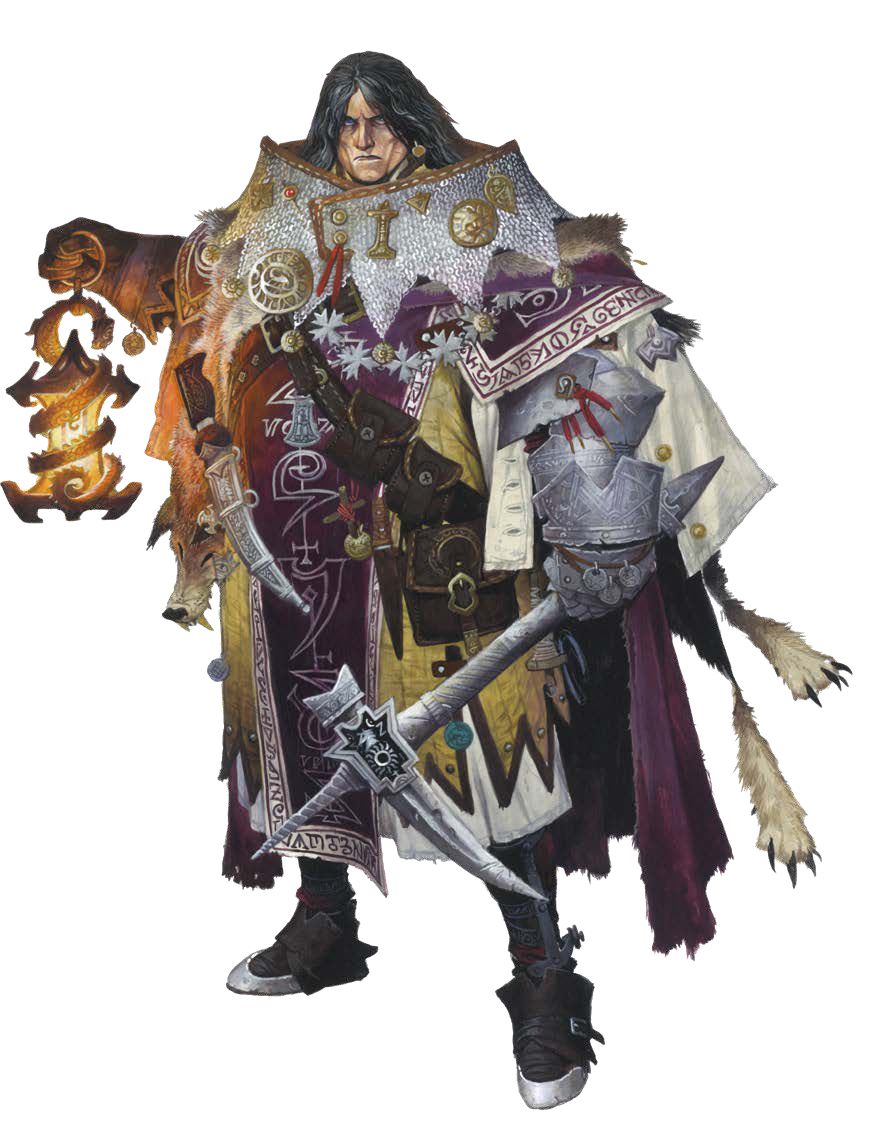
See! Win’s here. If you already love Thaumaturge keep doing what you’re doing, and consider the following:
- Choose implements based on identity.
- Build around the kind of problems you want to solve.
- Carry weird tools and be the person who can look at a supernatural mess and say, “Actually, I have a theory.”
Remastered doesn’t force you into a new lane. Thaumaturge remains the stable, flexible weirdo who thrives in exactly the kind of campaign Dark Archive wants to inspire. Even without talking terminology, stability matters. Less “wait, did this change?” friction means your character gets to be about play, not about rules archaeology. The class keeps its flow.
Toolbox
At least I’m calling it the Toolbox as spells and items are woven in through the Stolen Casefiles. I need to dig deeper on the Cryptids’ and the Deviants’ abilities. The Dark Archive was rich with spells and magic items and so we get some updates, focusing on interesting changes, improvements, and cool factor, not on “the book now sorts things differently.” The Toolbox is more “use this tonight,” less “neat list to browse”
Even if a spell list or item catalog isn’t dramatically expanded, the difference between content and utility is real. Dark Archive’s toolbox is at its best when it doesn’t just give you options, it gives you levers:
- tools that make mysteries solvable without handwaving
- effects that turn a scene sideways
- items that feel like they belong in a paranormal story instead of a generic loot pile
Remastered reads like it’s leaning harder into that “this is meant to hit the table” vibe. The toolbox feels less like trivia and more like an invitation to run weird sessions.
Spells
The spells in Dark Archive are still encounter-defining but now easier to treat as scenarios tools. These spells are often the kind that can:
- force the truth into the open
- weaponize fear
- rewrite the assumptions of the scene
- or let you interact with the invisible structure of the story
The cool part isn’t that the spells suddenly became different creatures. It’s that the Remastered presentation supports the mindset that these aren’t “novelty spells.” They’re plot buttons. If your players are the kind who want their magic to feel like a horror/mystery show, this toolbox is still one of the best “plug-in kits” in the line.
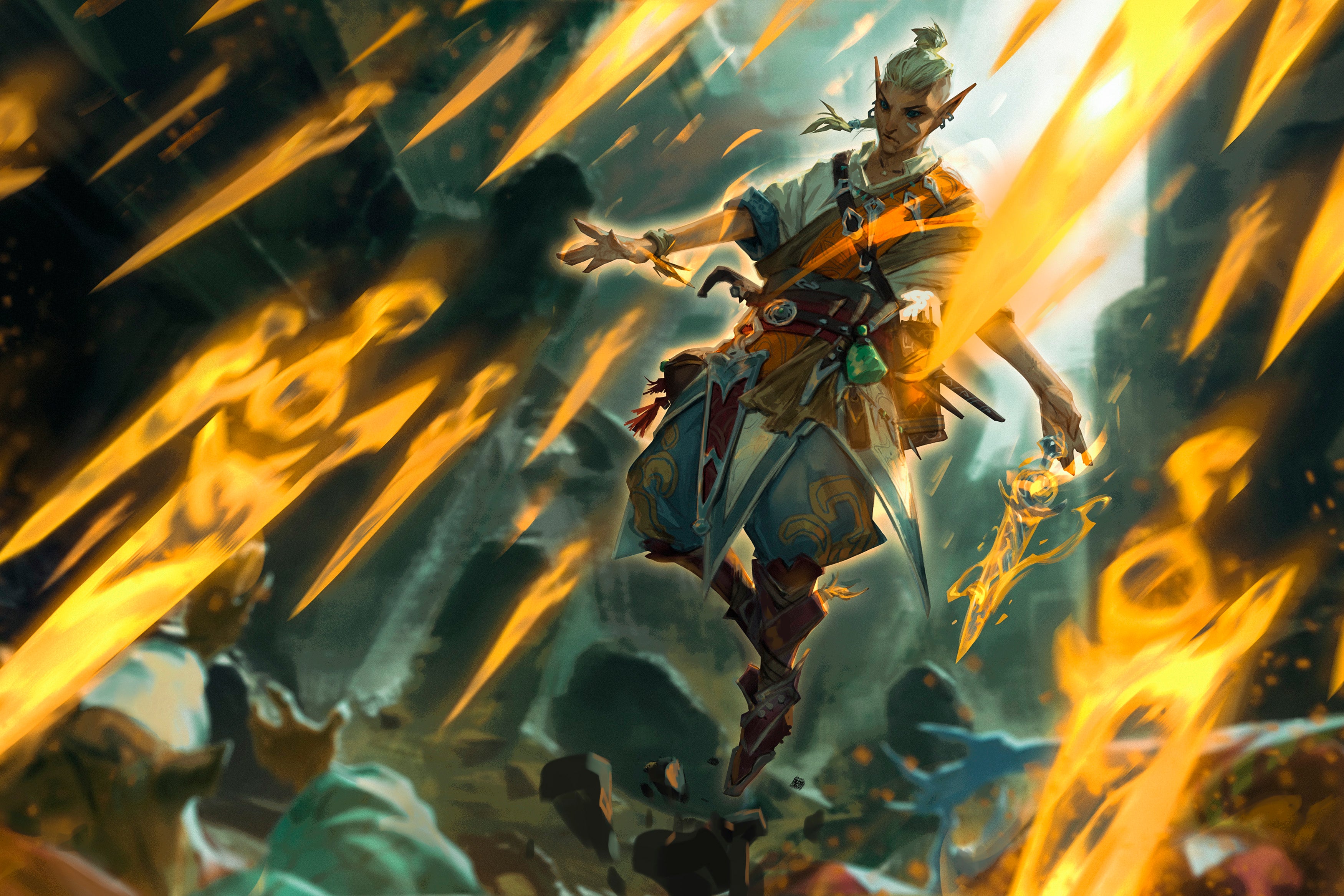
Some of the Psi Cantrips certainly changed. Vector Screen got a little larger, which I love, to 10’ at base instead of 5’. Distortion Lens got larger of an area to a 5’ burst, but the Amp also changed. You can choose to keep it in place as you stop sustaining it. Useful in a hallway, small room, or any time you know the attacks are really just coming from one direction. The real change is Imaginary Weapon as the damage dice went down to d6’s and the type went to force. I think everyone is saying the same thing of preferring 2d8 and to choose between bludgeoning or slashing. I have to imagine this was purely math-alignment driven and again, a bit to handle Magus heavy usage. It does feel closer to telekinetic projectile but force instead. We do see Phase Bolt (in the Deviant Spells page 106) get an increase to a range of 60’, which I know a certain rogue in my party will be happy about as one of their few spells, shadow-based as they are.
Magic items
I’m going to call these story physics items. Dark Archive items and occult gear tend to fall into the categories I love most:
- “This lets you touch the mystery,” and
- “This gives you power with a vibe.”
The coolest items aren’t just bonuses. They’re permission slips. They let your campaign world acknowledge the supernatural as something you can bargain with, investigate, or weaponize. Remastered supports that by making it easier to identify what’s meant to be:
- a quick-use trick,
- a recurring motif,
- or a key that changes how the party approaches mysteries.
That’s the kind of improvement that doesn’t show up as “new entry count,” but it absolutely shows up as “we used three of these things in actual sessions.” The Secret Society Gear on page 82 are the best examples. Secret hiding place in a False-Bottomed Mug or the easy to spot but not to know Membership Cords. I think we all know we want Moonlit Ink or Self-Immolating Notes. How pulp, noir, and common in occult stories.
Toolbox Impact
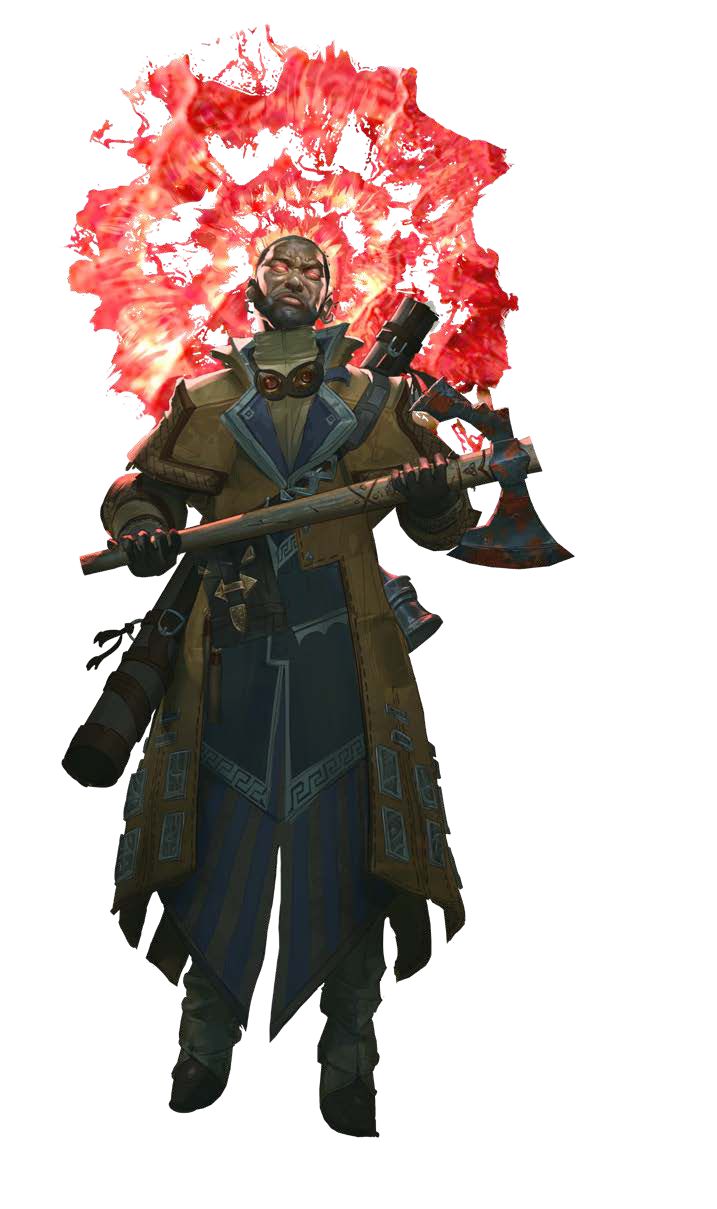
If you’re a Psychic / Thaumaturge player the toolbox supports characters who want to bring:
- paranormal tricks,
- mystery-solving powers,
- “this feels like an episode” magic,
into a normal campaign rhythm without asking the GM to write a dissertation every week.
As for what it means to follow my styling above: you can pitch weird spells and occult gear, and it’s more likely to become an actual part of the campaign instead of a cool idea that never gets airtime.
If you’re a GM here are some low-prep ways to make Dark Archive tools feel real immediately:
- Give one tool as a consequence, not a reward. “You can have the occult solution… but it came from somewhere.” Now it’s story and mechanics.
- Let a toolbox tool solve a mystery faster but escalate the plot. The spell reveals truth? Great. The truth has a price. Not punitive but dramatic.
- Tie one tool directly to character theme. Psychic gets the “mind” lever. Thaumaturge gets the “proof” lever. Now the content reinforces identity instead of floating loose.
Again what it means is that your campaign gets weirder in the best way, without becoming homework.
If you already loved Dark Archive, Remastered doesn’t feel like a reinvention. It feels like a tune-up where it mattered. The Psychic got meaningful build shifts, new toys, and better pacing for big moments. These are real edit for build-shaping that point directly at how you’re “supposed” to play it. While I do feel it could benefit from a bit more sprucing up, the Thaumaturge got stability, which is honestly a love letter in a system this interconnected. The spells and items read more like they want to be used, not just admired. Frankly it’s why I’ve always found the Dark Archive to be a book you can both read with admiration and bring to your table. I’m quite psyched for Impossible Magic this year for that reason! Perhaps don’t read the Archive alone at night. Or do, if you welcome these occult possibilities! And as always, please remember to support one another and much love to all!
Investing In:
I wasn’t quite sure what to name my article series when I first started but the idea of showcasing or discussing things that make me excited, that I find new and interesting, or maybe I’m otherwise passionate about seemed to fit with the idea of Investing In something like the Pathfinder 2E mechanic. To use some magic items you have to give that little bit of yourself, which helps make these things even better. I like the metaphor of the community growing and being strengthened in the same way!
I also want to hear what you’re Investing In! Leave me a comment below about what games, modules, systems, products, people, live streams, etc you enjoy! You can also hit me up on social media as silentinfinity. I want to hear what excites you and what you’re passionate about. There’s so much wonderful content, people, groups (I could go on) in this community of ours that the more we invest in and share, the better it becomes!
Sources
Banner – Dark Archive: Remastered cover modified, Paizo, art by Wayne Reynolds
- Welcome to the Dark Archive excerpt, Dark Archive, Paizo
- Eyes in the Forest, Tracks in the Mud banner, Dark Archive, Paizo
- Psychic, Dark Archive, Paizo
- Thaumaturge, Dark Archive, Paizo
- Imaginary Weapon, Dark Archive, Paizo
- Read Psychometric Resonance, Dark Archive, Paizo