
“Behold, the mighty dragons of legends and lore! Dragons are the wild manifestation of magic within Golarion, with the power to raze the land with a tornado of wildfire or appear in human form to rule over nations. The decayed bodies of dragons have come to form the jagged mountains, their shiny scales the glints of seafoam, their webbed wings the dust of faraway stars. Their mysterious slit eyes have ripped holes within the fabric of time and space.”1
Dragons are one of those fantasy elements that feel deceptively simple. Everyone knows what a dragon is, everyone has opinions about dragons, and almost everyone has, at some point, wanted to play one. That combination makes dragons both incredibly appealing and incredibly dangerous from a design perspective.
When Paizo announced Lost Omens: Draconic Codex, I was excited because I knew they’d find brilliant options without overdoing it. Dragon books can easily tip into excess, especially when they start handing dragons to players. Too much power, too much spectacle, or too many corner-case rules can turn an exciting option into something tables quietly avoid. Also, while not Paizo printed, we have Roll for Combat’s Battlezoo Ancestries: Dragons made under Mark Seifter’s brilliance. Thus I was curious to see what players would get here. And of course I’ll go into the lore soon enough!
But yes, Player Options. What surprised me about that chapter in Draconic Codex is just how well-crafted it is. Rather than chasing the fantasy of dragons at any cost, these options feel designed for longevity. They’re meant to show up in real campaigns, sit comfortably alongside existing character choices, and create stories instead of balance problems. That makes them a much more interesting investment than they might appear at first glance. Frankly, who hasn’t wanted to play something inspired by, working with, or drawing on the power of dragons? It’s literally the classic sorcerer archetype after all.
Sorcerous Origins
Player Options indeed start with options for our Draconic Sorcerers! Every type of dragon is listed with their tradition, bloodline skill, and sorcerous gifts (i.e. bonus spells) presented. It’s about a page and a half worth, spread over two pages because there’s of course a Dragon Benefactor table too. Some abilities for ancestries and classes refer to a Benefactor (like the kobolds we’ll talk about below), but also an instinct or exemplar. The table presents the tradition of innate spells, the speeds you might get, what type of breath, and favored save for any bonuses. There’s some dragon benefactors who grant dragon breaths of spirit, force, or even mental for example. I’m looking at you Wish dragon! I do wish we had a Luck dragon actually. I’m a child of the 80’s and early 90’s so you know I love my Neverending Story.
I’ll note, jumping back to the Sorcerers, that there are gifts referring to spells from Rage of Elements, Dark Archive, and Player Core 2. Vorpal sorcerers get Ferrous Form as an 8th level spell. That is to say your body becomes that of iron, a spell from Rage of Elements. I didn’t realize there was a Resurrection dragon, a creature I missed from Monster Core 2. It gets divine spells and really could allow you to play a fun Sorcerer serving a holy god or even Apsu, my fave but perhaps that’s because I’m playing a Cleric of Apsu for Age of Ashes. P.S. about to finish that campaign at the end of the month! Lovely to see not only new options but expansions for the classic sorcerers. But it’s more than just draconic magic…
Dragonets: Small Dragons, Big Win
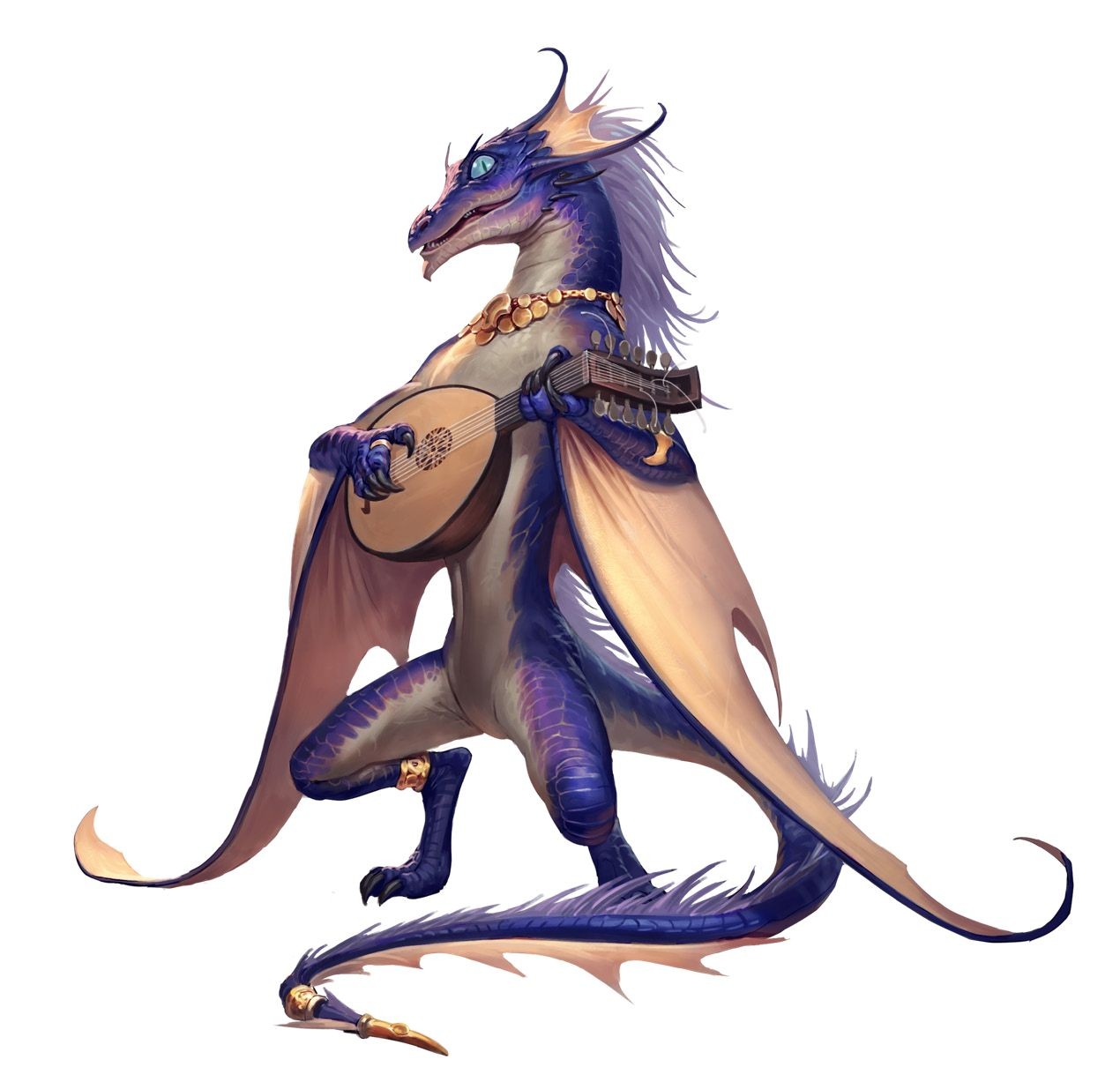
The headline option for many people will be the dragonet ancestry, because it answers a question players have been asking for years: Can I play a dragon? Paizo’s answer is thoughtful rather than indulgent. Dragonets aren’t scaled-down great dragons, and they aren’t monsters awkwardly forced into PC math. They’re their own thing: small, clever, and intentionally limited in scope. Again, I’ll get to some lore next time. Mechanically, they deliver on the fantasy through movement options, natural attacks, and elemental identity, but they stop well short of redefining how encounters work. They’re literally tiny dragons, as per the Fey Dragonet that replaced the Faerie Dragon. Now you can be one as a PC and I think that’s amazing. The Homing Drake pictured below is pretty adorable too, bard or just musician ya think?
There’s some great feats like the 1st level My Claws are Daggers so your claw unarmed strikes do 1d6 slashing, counting in the knife group and you get the crit specialization effect starting at 5th level. But what about calling forth a flock of wild dragonets? That’s what Form a Flock does at 13th level for 3 actions. They’ll grant you temporary hit points and briefly gain a two-action Acrid Barrage attack so each enemy in the aura of your dragonets, which goes out 10’. Acid and persistent acid damage is great for a dragonet in melee! By 17th level you can get Dragonet Immunities, ignoring sleep or paralysis. You do become more and more dragon without needing to play a full large size dragon. It really stands out to me how dragonets require no special treatment to be included. They don’t ask GMs to rewrite adventures or rethink encounter balance. They exist comfortably within Pathfinder’s existing assumptions, which makes them far more likely to actually see play. That is what makes dragonets a strong long-term option rather than a novelty ancestry.
Kobolds Are Making Dragon
I should explain here. In one of my campaigns, in a very early adventure, the PCs had to handle a kobold tribe nearby their town. Rather than come in spells and swords swinging, they did some fairly good diplomacy and learned the main leader was trying to do right by a manipulative dragon using the kobolds. This leader kobold wanted to ‘make dragon’, i.e. develop power and become more draconic hopefully by listening to this dragon. Ever since, ‘make dragon’ has been a silly saying usually thrown around when a kobold was involved in our games. Kobolds do usually have kinship with dragons; the write up entry for Draconic Kobolds in the player options literally calls out that dragons usually find them cute and worth keeping around. The Dragonscaled kobold heritage is tied to that, and so there’s a 1st level feat titled Benefactor’s Resistance that makes use of that Benefactor table mentioned above to get you some resistance to the breath type at half your level. There’s a number of Benefactor tied feats like Kobold Breath (two actions, also 1st level) or Breath Unleashed at 9th empowering it.
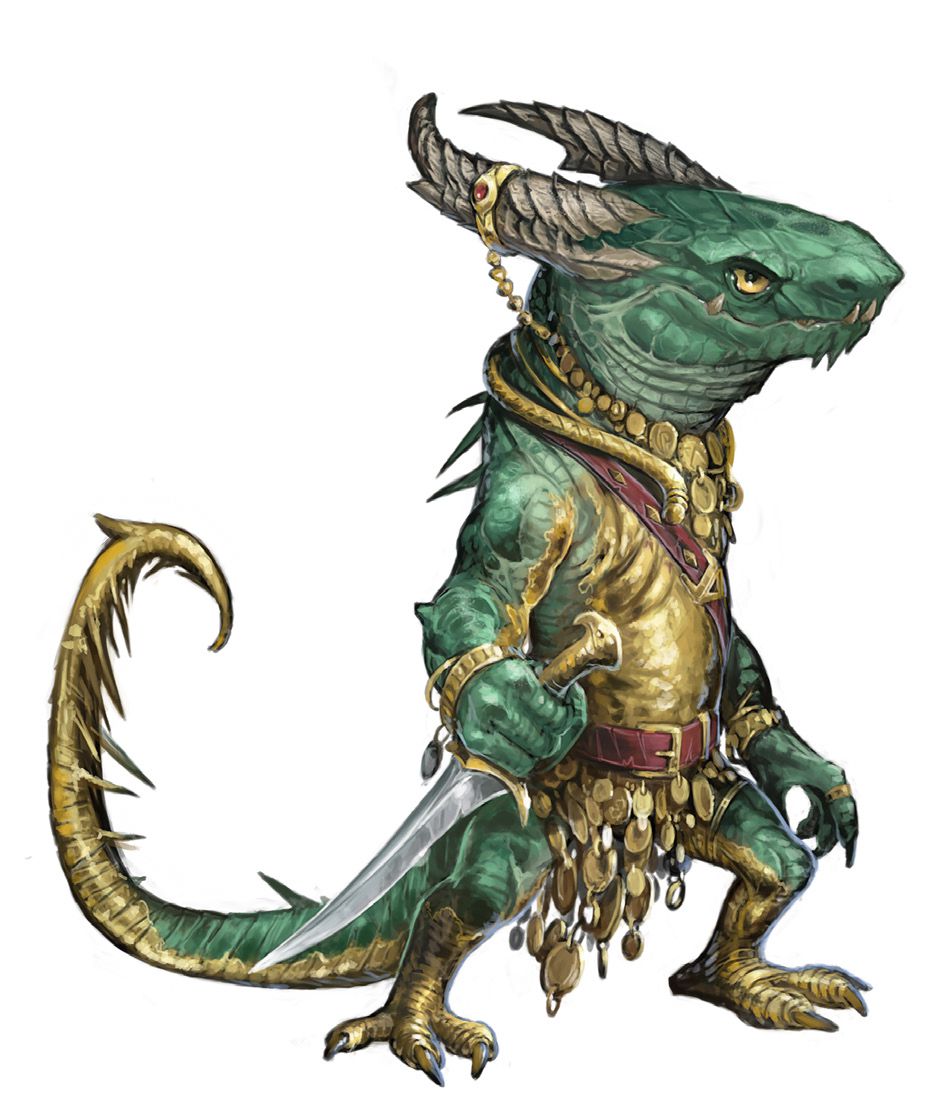
There’s a stand out feat in my opinion, rightfully called Draconic Paragon at 9th level. It improves 3 other feats, but you don’t have to take it multiple times. For each feat you have, the paragon feat improves that feat’s benefits. Benefactor’s Strike gives your unarmed strikes the deadly d6 trait, Dracomancer increases the number of times per day you can use your 1st- and 2nd-rank innate spells by 1, and Kobold Breath grants a crit fail effect. Enemies who fail take 3d5 persistent damage of the breath weapon damage type! The kobold options in Draconic Codex aren’t too flashy, and that’s a good thing. Instead of reinventing kobolds, Paizo reinforces what already works: their relationship with powerful benefactors, especially dragons. The new feats deepen that connection mechanically and narratively without pushing kobolds into a new role or power tier. This kind of incremental expansion is easy to overlook, but it’s exactly how a game stays healthy over time. Kobolds are already popular, already familiar, and already supported elsewhere. These additions don’t compete with existing options they stack with them. That makes this section less exciting to read and much more valuable to use.
Dragonblood Expansion
If there’s one option in this chapter I expect to see repeatedly over the next few years, it’s the dragonblood heritage from Player Core 2. Dragonblood gives players access to draconic flavor without truly “making dragon.” They may not even seem draconic by their body, though most have a tell-tale physical characteristic of some sort. Of course the art below is certainly quite draconic. This versatile heritage allows for anyone who wishes to play up that mingling of dragon in your lineage. Basically you can be a dragonblooded kobold draconic sorcerer! Make all the dragon! Now this may not seem like a big thing, but it dramatically expands the audience for these options. Players can express lineage, legacy, or supernatural influence without committing their entire character concept to being dragon-adjacent. You know, you don’t have to do the full all-dragon options like my kobold idea.
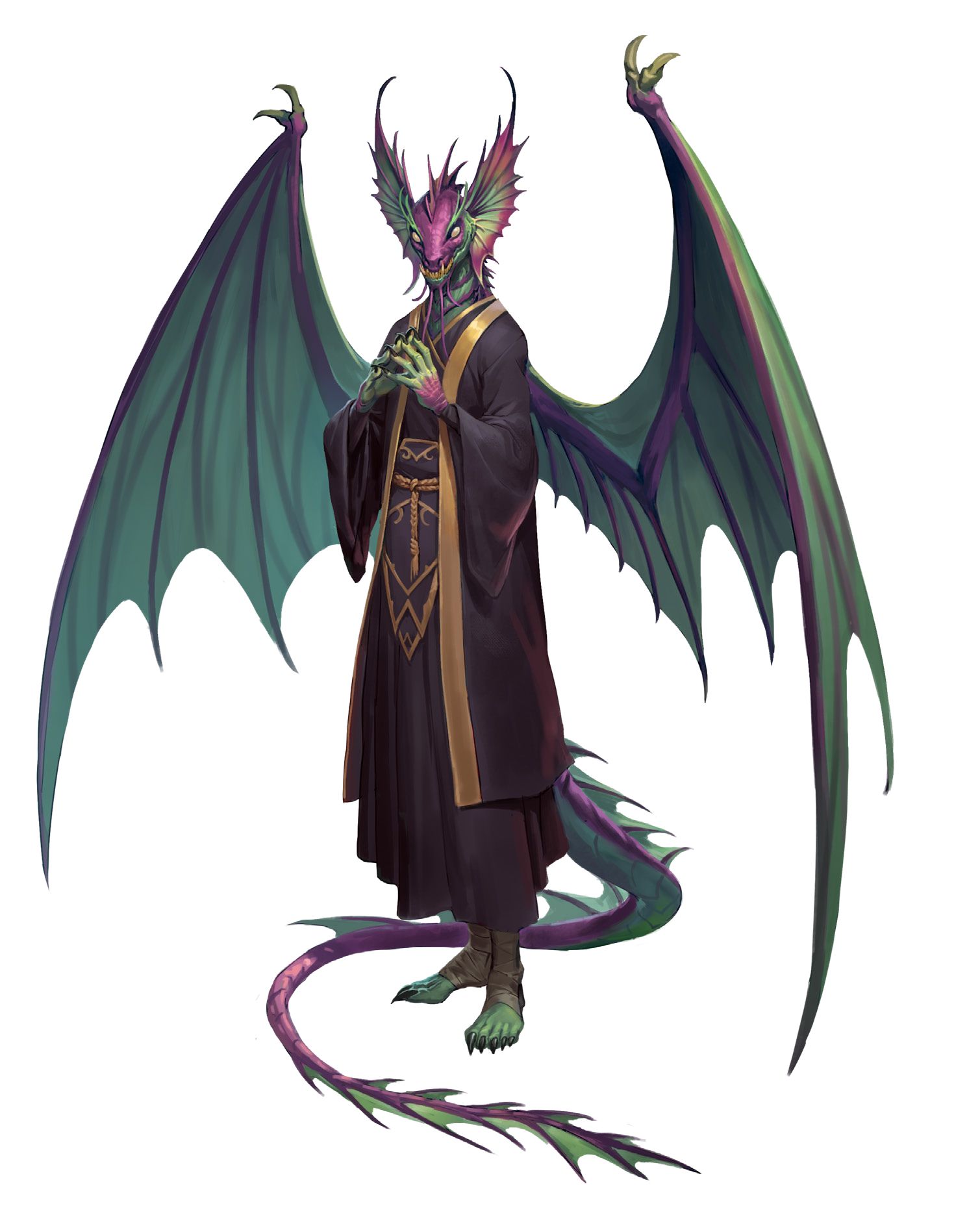
It’s interesting to me the new first level feats tie the Dragonblood to a terrain, calling on the natural elements: Aqueous, Summiting, or Terra. The original lineage feats were drawing on the tradition of the dragon between Arcane, Occult, Primal, or Divine. These feats instead focus on a dragon’s territorial dominance. You can get a swim or climb speed, while Terra grants your tremorsense. Other feats expand on existing Player Core 2 feats. You can get Tenacious Jaws for a grapple trait on your bite attack at 5th level if you’ve got that Draconic Aspect. I appreciate they have a note about how it interacts with a breath weapon, so a grabbed creature’s saving throw result is treated as one degree worse. Sheltering Wing on the other hand is 9th level and builds upon Dragon’s Flight. It’s a one-action ability to raise your wings and gain a +1 circumstance bonus to AC and to all saving throws for a round. There’s a secondary element if you have Dragon’s Flight but I think that should read True Dragon Flight. It notes your larger wings improve the bonus to +2. Did I find errata? From an investing in standpoint, this is the kind of option that quietly becomes evergreen. It works across ancestries, fits into many campaign tones, and doesn’t demand constant dragon involvement from the GM. It’s flexible in the way Pathfinder is at its best especially when they continue to invest in it with additional options.
Archetypes That Create Relationships, Not Just Abilities
The archetypes in Draconic Codex are where the book really shows its priorities. None of them are about “becoming” a dragon. They’re about living in the shadow of dragons. The Draconic Acolyte archetype treats dragons as almost a witch patron for they invest an object with their power, driving some faith and devotion without elevating them to gods. That distinction matters, especially in settings where dragons are political, cultural, or mythic forces rather than divine ones. However, we have discussed that the more mythic beings are divine and vice versa. That’s not what the Acolyte is about though; they’re calling on the dragon’s power through the object. The dedication lets you Channel Draconic Essence for an action, calling forth a spectral version of your dragon in smaller form to get a small bonus to saves against sleep and paralysis, but empowering other abilities. The 12th level Frightening Power lets you actually channel the awe-inspiring fear of a dragon and if Channeling Draconic Essence, you can have the fear emanation come from the spectral dragon instead of yourself. Love the 16th level Hidden Hoard for a secret repository of treasure only you can get to. You can store up to 100 Bulk that fit in a bag, but with a minute you can press a really large item of 10 Bulk or less to go into the space. That could be a whole Alchemist’s Lab or various furniture, let alone a lot of the very large ammunition for siege weapons.
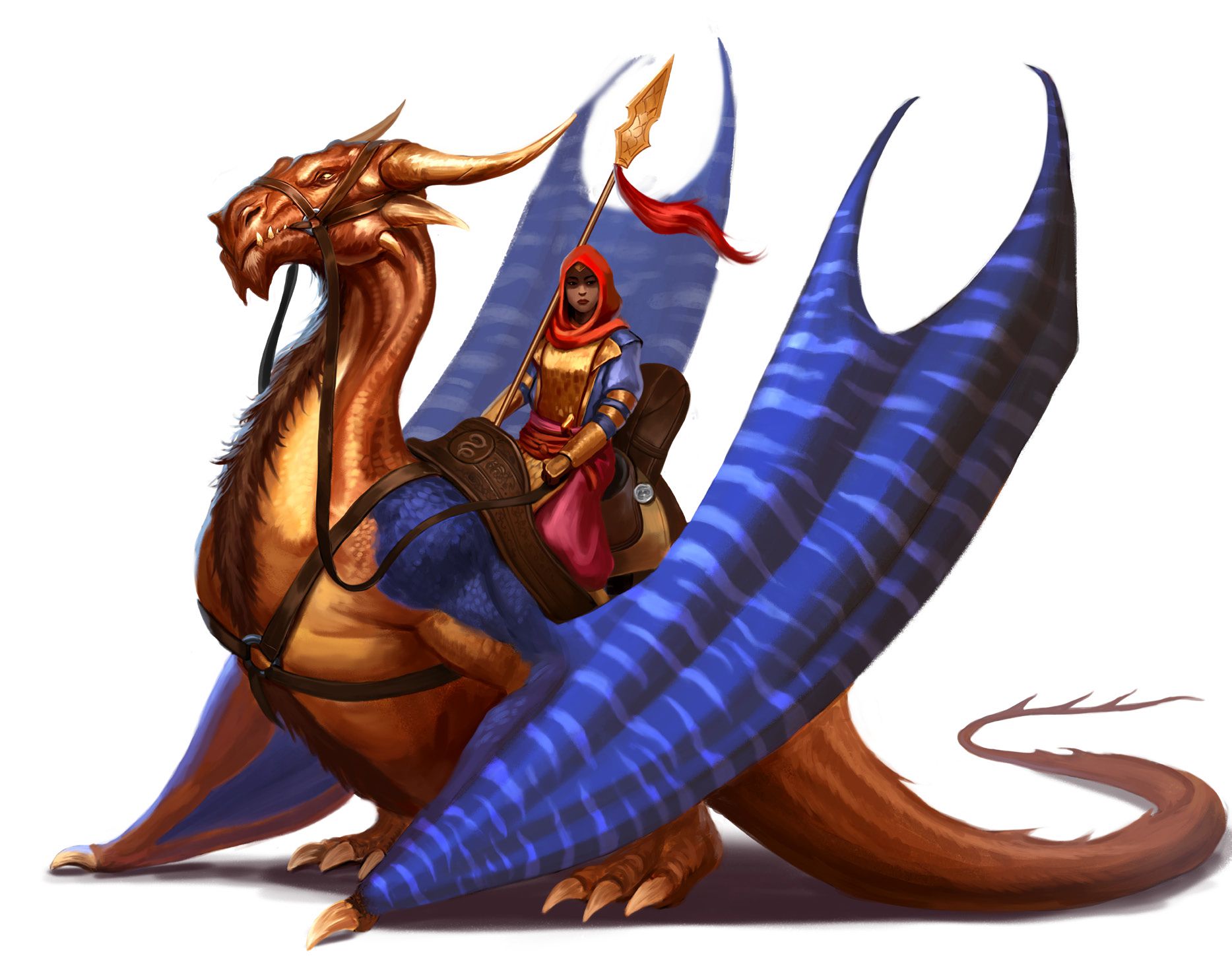
Meanwhile, the Drake Rider archetype fulfills a classic fantasy. I’d say the options are quite grounded, but there’s no way you’re staying on the ground with this archetype! The drake is meaningful without becoming the entire character, functioning as an animal companion though you could get a different creature with the dragon trait if you have access. The archetype supports teamwork rather than overshadowing the rest of the party, primarily through stances and joint options with your companion. The Dedication gets you a young riding drake typically and you can communicate telepathically with it if you’re within 100’. By level 6 you can get a War Rider Stance, activated with one action. Your dragon continually breathes a bit of its breath weapon in a 5’ emanation. I love the 12th level Death Dive for 3 actions. Your companion gets to Fly twice and at the end of the movement, make a Strike. You get a +4 circumstance bonus to AC versus reactions as you fly, which is good. The Strike can knock a creature prone if smaller than your mount or the same size if a critical Strike. Great way to start a combat!
Spells, Items, and Bargains
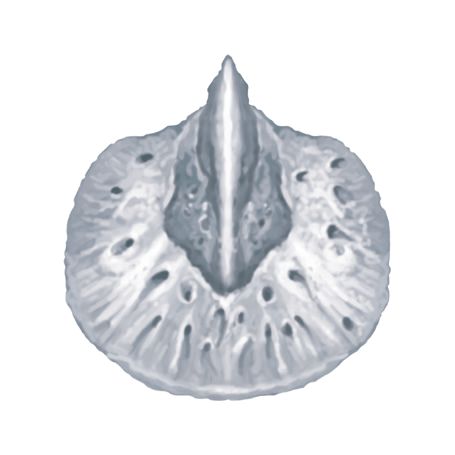
There’s two pages of items, including two new spell catalysts: a dragon eye and a dragon scute. The dragon eye improves the breathe fire spell, changing the save to Will and possibly imposing frightened 1 on a failure. It’s level 5 while the scute is 12th or higher. If you’re like what is that? Check out below! It’s the “strongest points in a dragon’s armor.” What the scales do is work with mountain resilience, granting resistance based on the tradition of the scale of the dragon’s tradition like resistance 5 against damage from all spells for Arcane or resistance 10 to mental for Occult. Primal isn’t just fire but all physical and poison 7. Divine grants resistance 10 to spirit, vitality, and void. There’s a 16th and a 20th level version, so these could be great minor gifts from dragons your characters are working with, or possibly they’re taking from the dragons they are hunting down!
We also get a couple pages of spells. Armor of Thorn and Claw is 1st level, doing a point of piercing damage if you’re attacked. And if you’re grabbed, it does 1d4 persistent bleed to the grappler. The 10th level Dragon Turret brings a constructed tower and a host dragon upon it. It uses its breath weapon once per round when sustained, or when you first cast the spell. What’s interesting is the type of damage depends on the tradition used to cast the spell: force for arcane, spirit for divine, mental for occult, and fire for primal. I think that’s an interesting mapping that indicates the core energies that Paizo thinks is tied to these forces, at least for dragons.
The spells and magic items here are notable mostly for what they don’t do. There’s no attempt to redefine spellcasting or flood the game with draconic gear. Everything reinforces existing mechanics with a dragon-shaped lens. This keeps the focus on characters and stories rather than optimization puzzles, which fits the rest of the chapter nicely.
Dragon Pacts, But Not For Witches (Yet)
There are also Dragon Pacts, which might be my favorite option in the chapter. These are explicitly dangerous bargains, offering power with consequences attached. They feel less like character upgrades and more like narrative engines, creating future complications almost automatically. That’s a rare thing for a player option, and it’s incredibly valuable for long-term play. They count as items but they have the Contract trait, granting various benefits but with an oathbreaker’s calamity should either party break the oath. These can be damning as much as powerful boons. For example, Duty of the Oathsworn is level 9, for example as you swear to target a dragon’s enemy. It lets you (well the dragon) choose a creature type other than humanoid to get resistance to, gain Draconic Precision against them. Should you die by the hand of the creature type, you’ll raise as an undead creature of the dragon’s choice but you keep your mind so you can continue in your oath. The dragon meanwhile protects whatever chosen group, person, or location you’ve noted. But should either of you break it, no creature can count either of you as an ally in combat going forward. Truly story driven items and actually this sets up how we can do contracts with devils, fey, and other creatures too!
Dragons That Stick Around
What I appreciate most about the Player Options in Lost Omens: Draconic Codex is that they feel designed to be regularly used or at least stick around in more common use (with consideration to their rarities of course). These aren’t options you use once for a gimmick character and then set aside. They integrate cleanly, scale responsibly, and give both players and GMs room to build on them. Dragons here aren’t simply for spectacle, though of course they can be depending on their personality. Dragons here are true, diverse, and given detailed context. Like everything else Paizo and their amazing team members build, it’s with respect for culture and content, player and community.
That makes this book more than worth investing in, not because it pushes boundaries, but because it respects them. If you use any of these options at your table, I’d love to hear how they played out. Dragons mean different things to different groups, and part of the fun is seeing where those stories go next. Please remember to support one another and much love to all!
Merry Christmas and Happy New Year all!
Investing In:
I wasn’t quite sure what to name my article series when I first started but the idea of showcasing or discussing things that make me excited, that I find new and interesting, or maybe I’m otherwise passionate about seemed to fit with the idea of Investing In something like the Pathfinder 2E mechanic. To use some magic items you have to give that little bit of yourself, which helps make these things even better. I like the metaphor of the community growing and being strengthened in the same way!
I also want to hear what you’re Investing In! Leave me a comment below about what games, modules, systems, products, people, live streams, etc you enjoy! You can also hit me up on social media as silentinfinity. I want to hear what excites you and what you’re passionate about. There’s so much wonderful content, people, groups (I could go on) in this community of ours that the more we invest in and share, the better it becomes!
Sources
Banner – Lost Omens Draconic Codex cover modified, Paizo, cover art by Miguel Regodón Harkness
- Dragon Physiology excerpt, Lost Omens Draconic Codex, Paizo
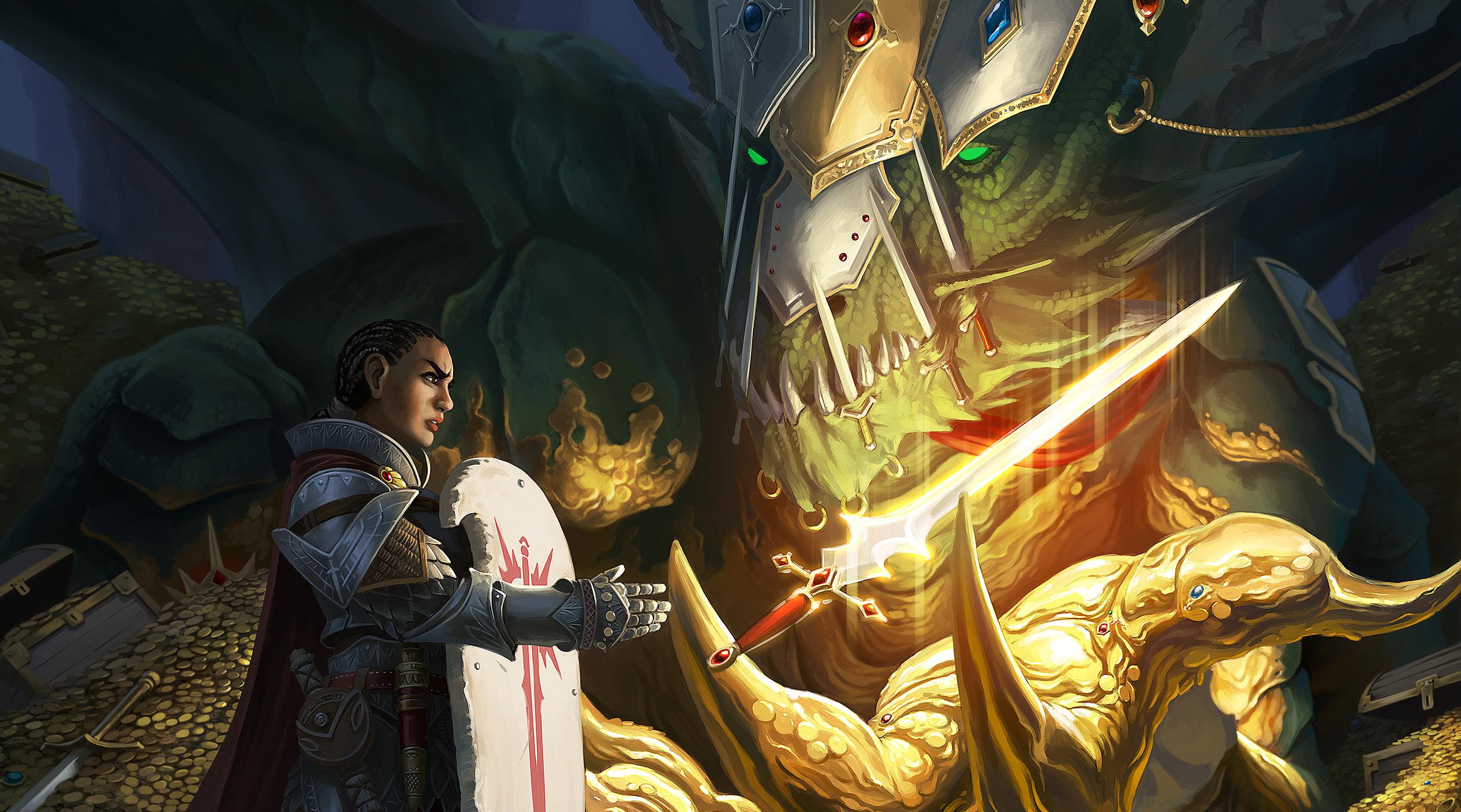
- Kyra seemingly becoming a Dragon Acolyte, back cover art, Lost Omens Draconic Codex, Paizo
- Homing Drake, Dragonet, Lost Omens Draconic Codex, Paizo
- Dragonscaled Kobold, Draconic Kobolds, Lost Omens Draconic Codex, Paizo
- Dragonblood, Dragonblood, Lost Omens Draconic Codex, Paizo
- Drake Rider, Drake Rider Archetype, Lost Omens Draconic Codex, Paizo
- Dragon Scute, Magic Items, Lost Omens Draconic Codex, Paizo